
 EN
 ar
 bg
 hr
 cs
 da
 nl
 fi
 fr
 de
 el
 hi
 it
 ko
 no
 pl
 pt
 ro
 ru
 es
 sv
 tl
 iw
 id
 lv
 lt
 sr
 sk
 sl
 uk
 vi
 et
 hu
 th
 tr
 fa
 ms
 hy
 ka
 ur
 bn
 mn
 ta
 kk
 uz
 ku

readouts
Kingmach readouts bring together measurement, storage, and communication functions for field monitoring. The category includes low-power wireless acquisition for remote digital sensors, synchronized dynamic strain logging, and portable readouts for on-site checks. Each device type serves a different part of the monitoring workflow. Low-power loggers reduce manual visits at remote stations. Dynamic loggers capture event behavior with synchronized channels. Portable readouts help field staff confirm sensor condition before the site is closed or the inspection route moves on. Buyers should connect these capabilities with project realities such as access restrictions, weather exposure, power availability, communication reliability, and the expected review frequency. A slope station with limited access, a tunnel with night work, and a bridge deck with traffic restrictions place different demands on the same acquisition category. The device should fit the way people actually reach the point, protect cables, power the station, and move data into review. This practical view helps teams select a readout or logger that supports field use, not only laboratory capability. In remote work, the maintenance route, enclosure position, antenna condition, and expected upload schedule can be just as important as the measurement circuit. In short-term testing, the device must also be easy to move, check, and export before the crew leaves the site.
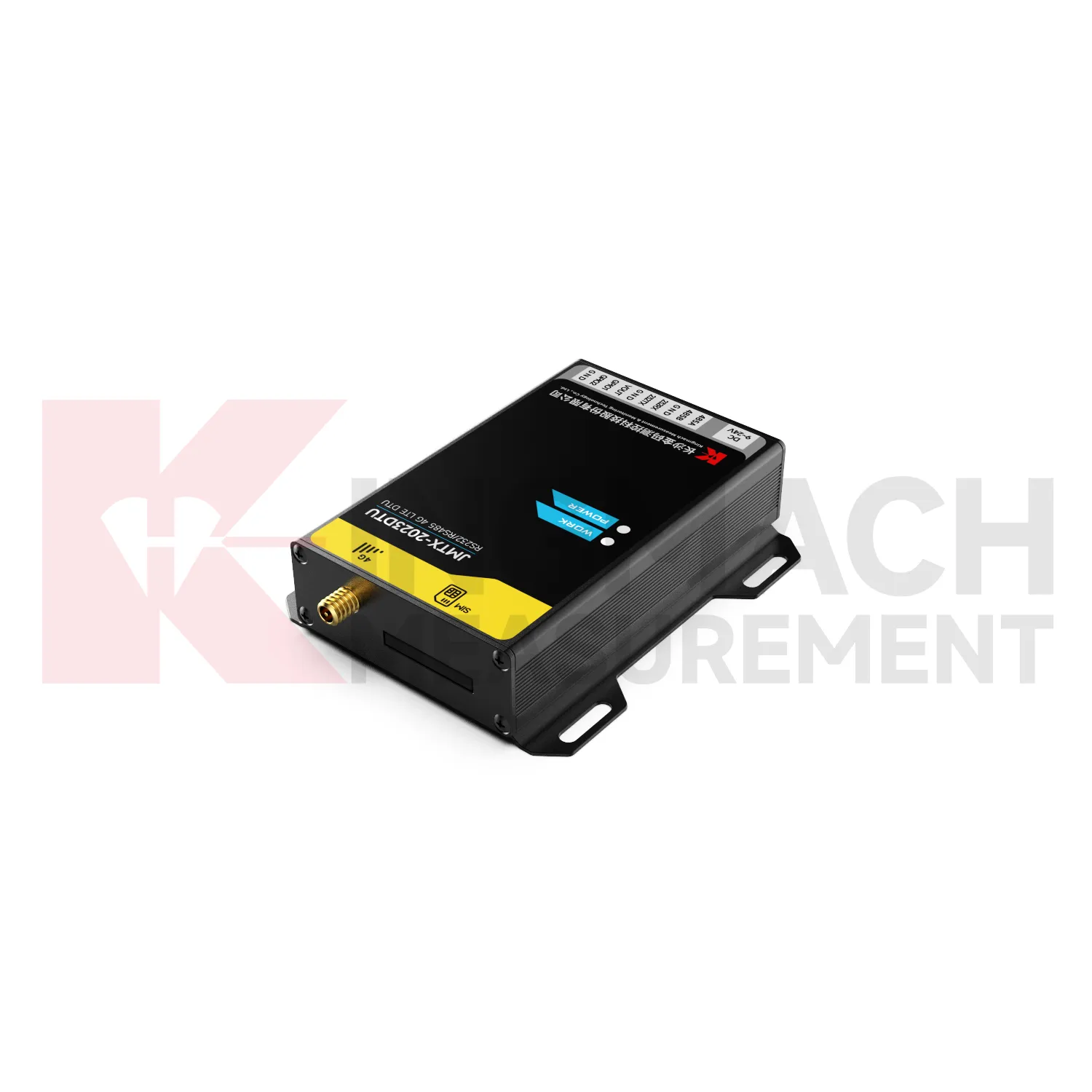
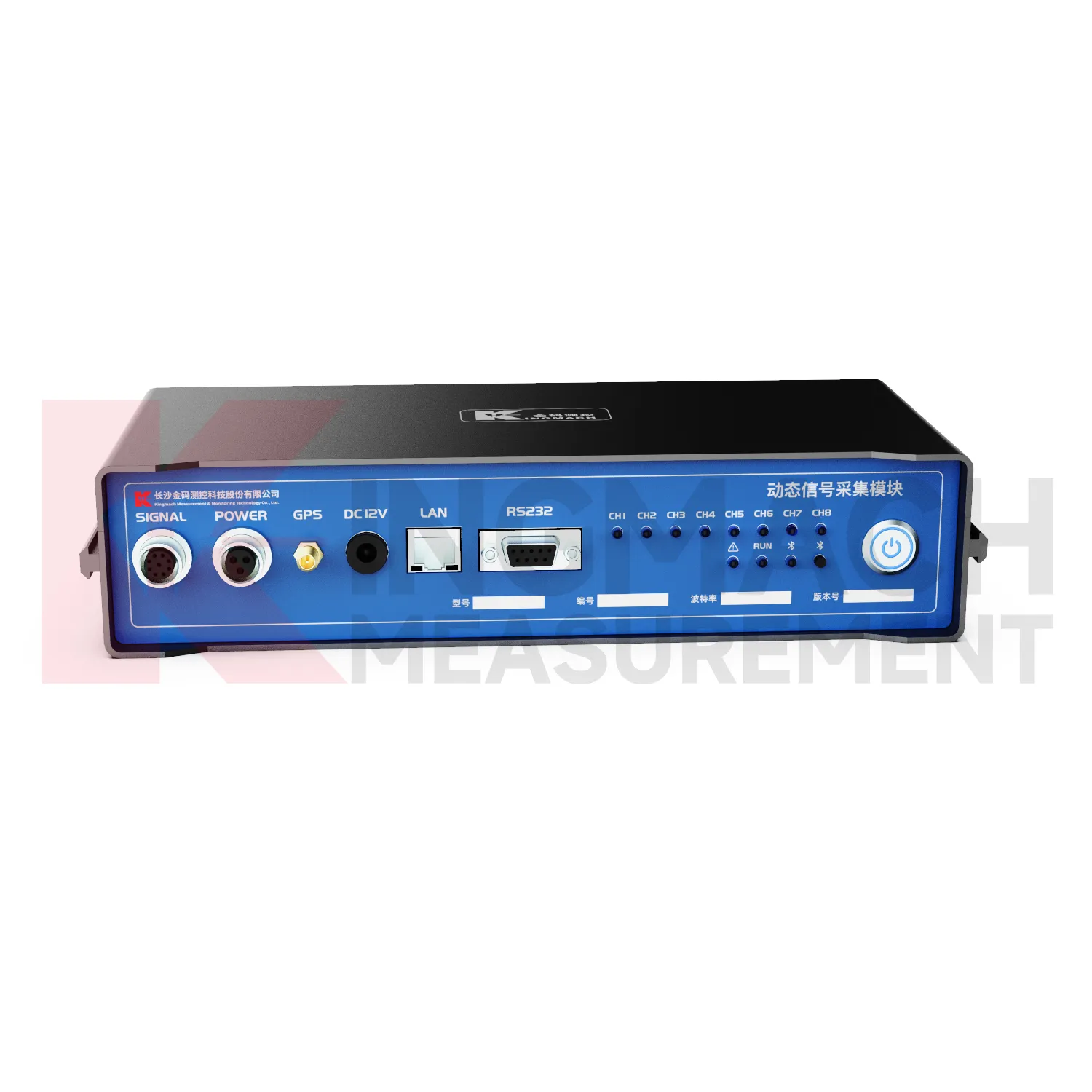
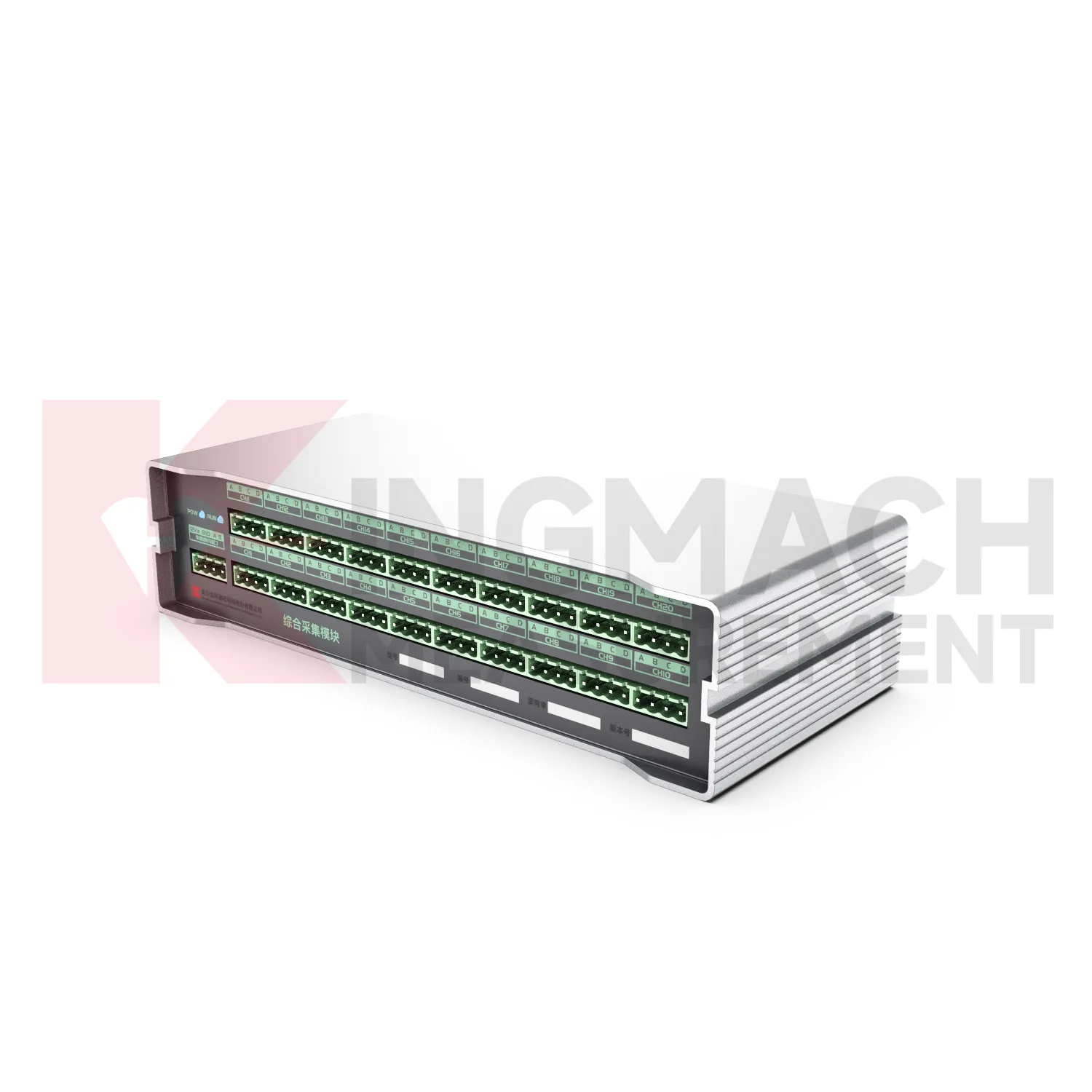
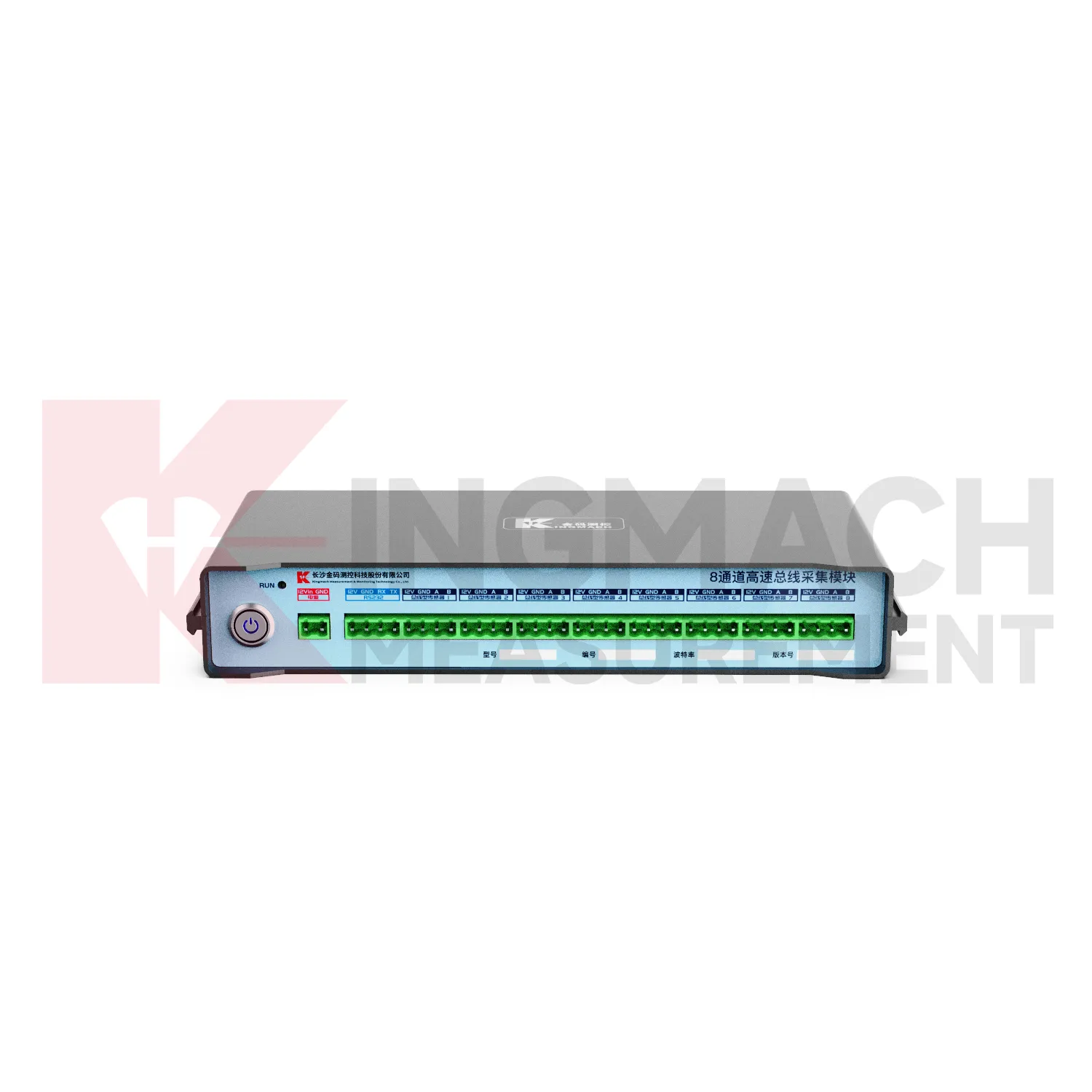
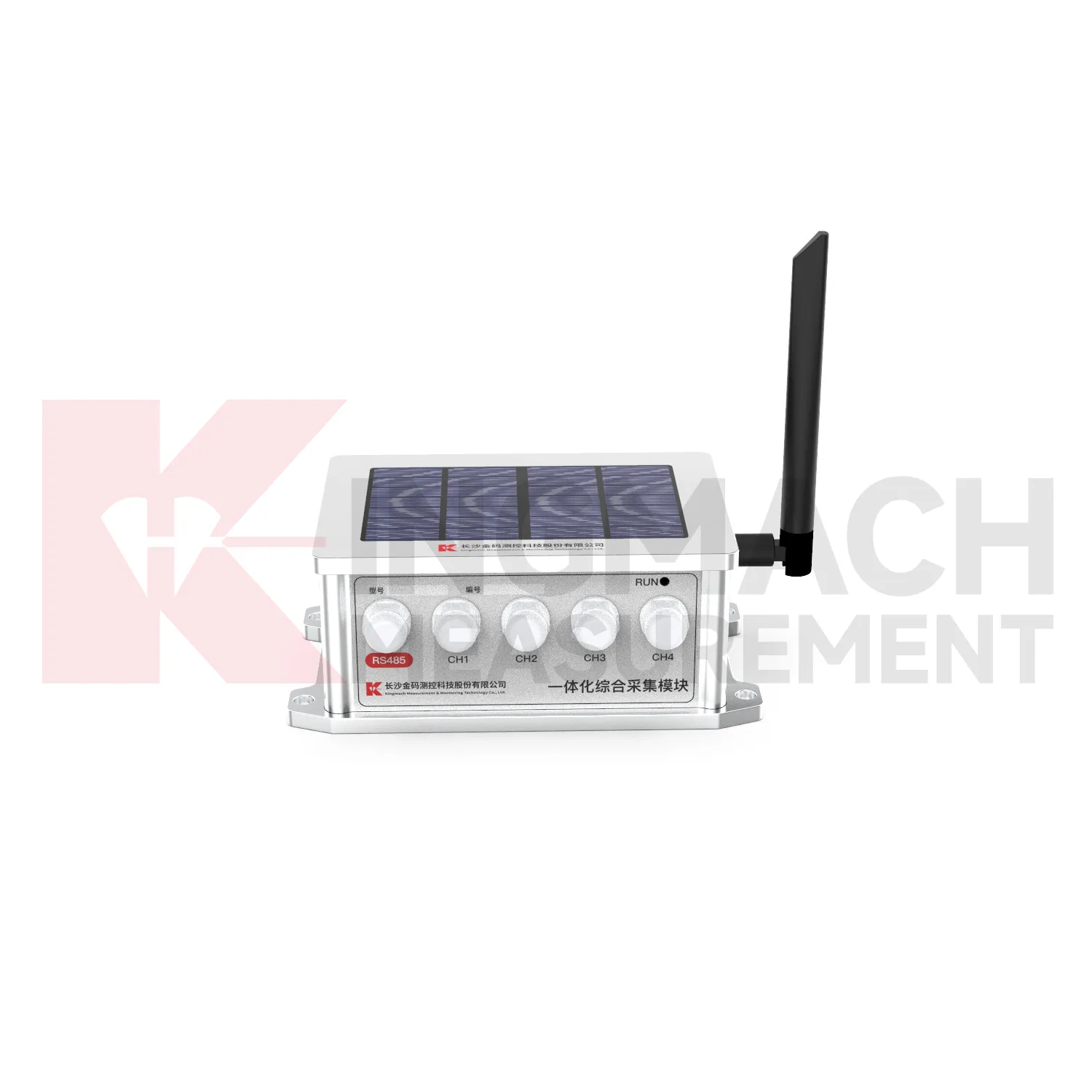
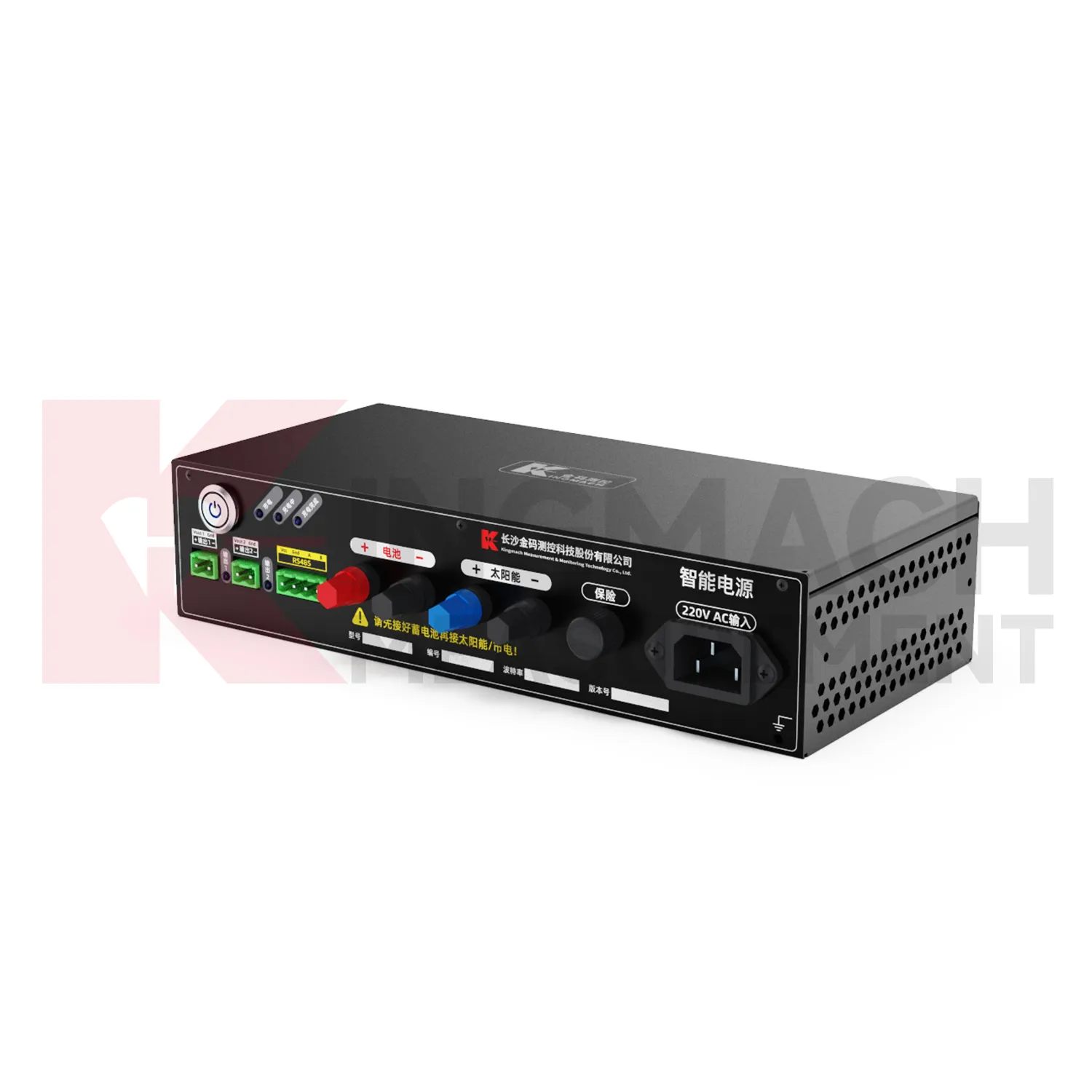
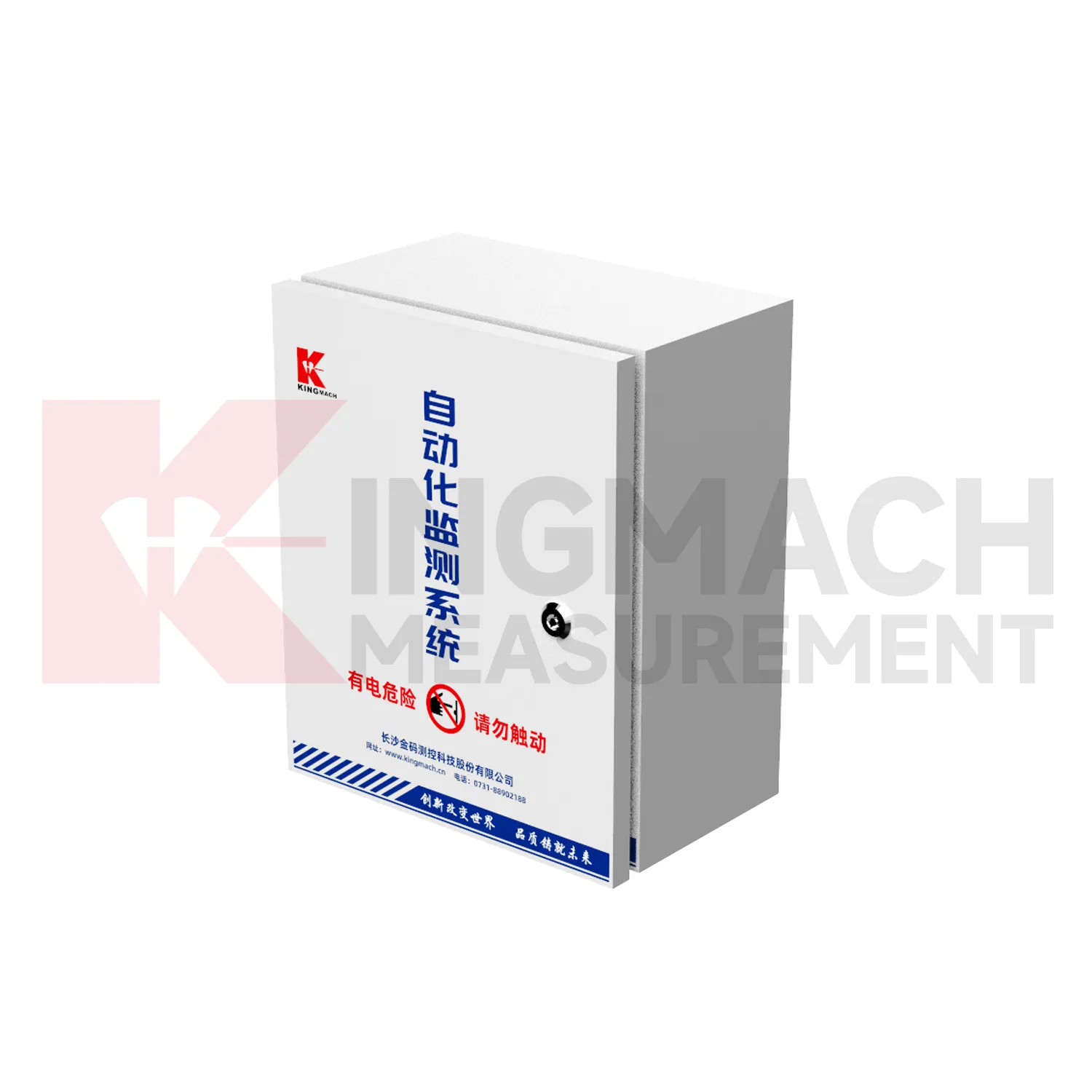
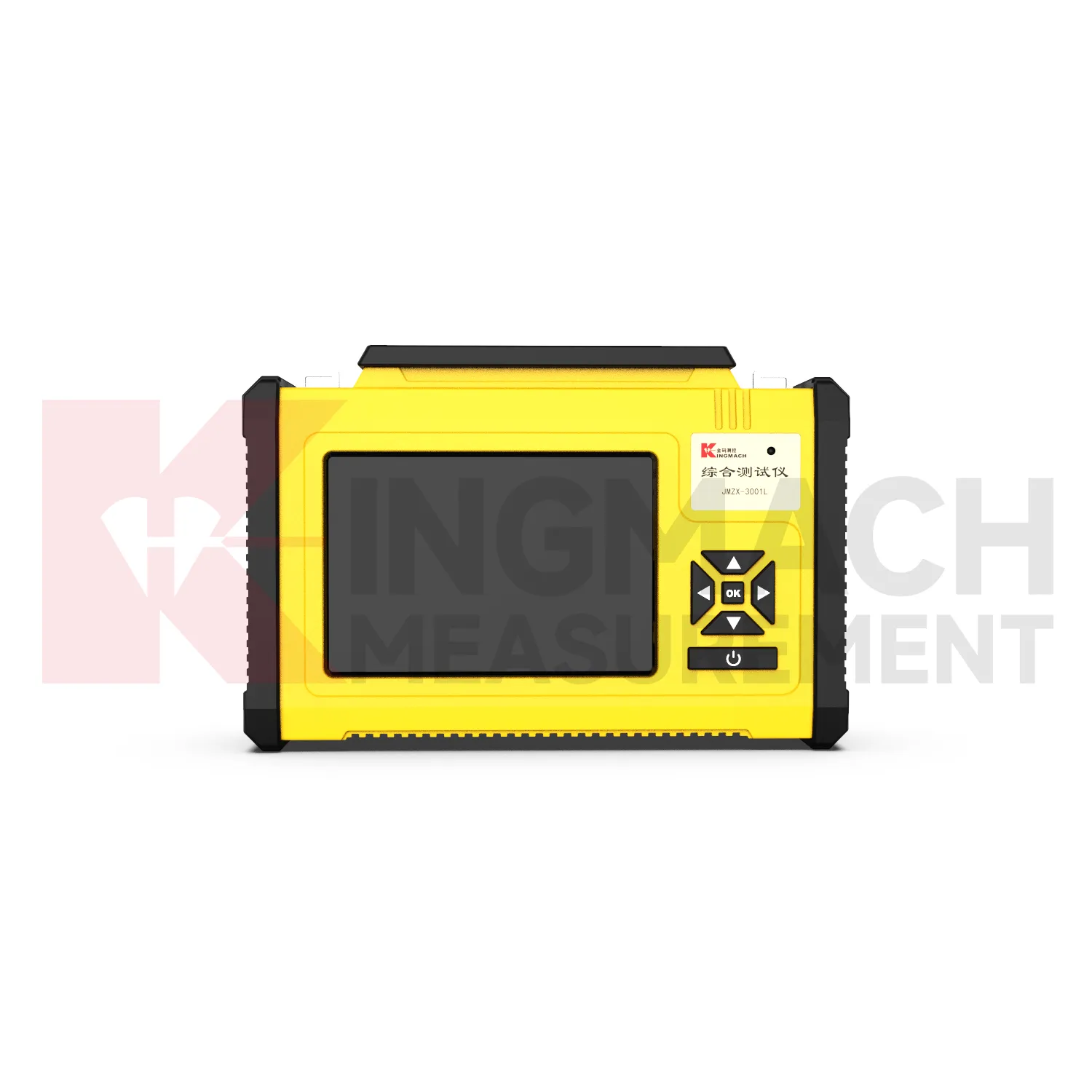
Application of readouts
Temporary construction monitoring uses Kingmach readouts when sensor networks are installed for a limited period but still require reliable records. A foundation pit, bridge strengthening project, tunnel crossing, or demolition influence study may need readouts for commissioning and data loggers for daily acquisition. Temporary does not mean casual: point names, sensor lists, data intervals, and export methods should be defined before monitoring starts. Portable devices help crews move between points, while wireless or fixed devices help maintain continuity when the site is busy. A clean acquisition record helps contractors and owners discuss measured behavior with fewer disputes about timing or source. Temporary projects also need fast setup and clean removal. The acquisition device should make it clear which points are active, which have been removed, and which records belong to each work stage. When the project ends, exported files, baseline notes, and final readings should be saved together. This gives the owner a usable history even after temporary equipment leaves the site. It also helps project teams answer questions about what happened during a specific construction period, instead of relying on memory after the work is finished. during claims or handover review. with fewer disputes. after completion. clearly. for owners.
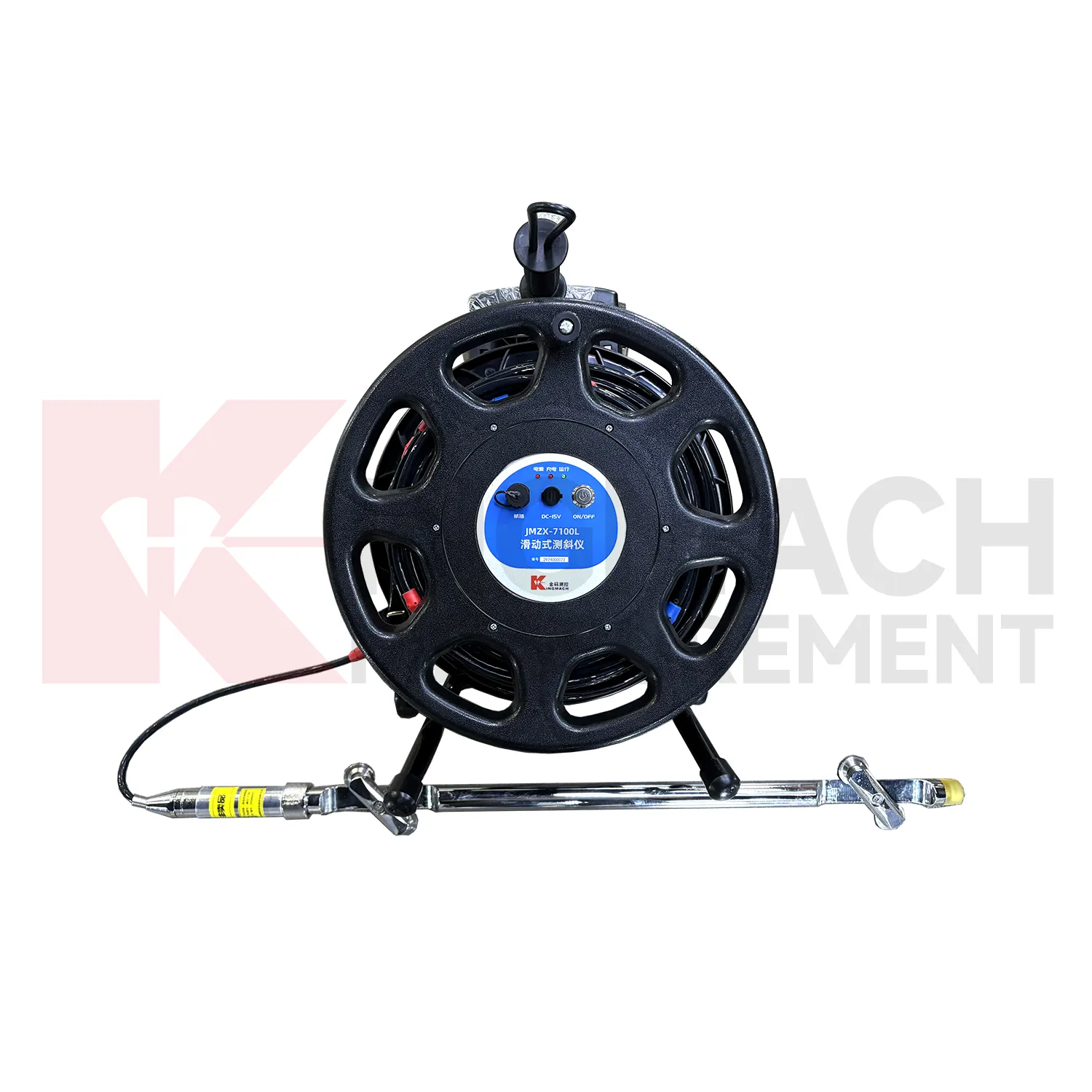
The future of readouts
Future Kingmach readouts will support higher-quality event records for dynamic monitoring. Bridges, buildings, railway lines, tunnels, machinery foundations, and construction sites may need synchronized channels and clear event timing. Dynamic acquisition will become more useful when the waveform is stored with event name, channel identity, trigger condition, and related site activity. This allows reviewers to compare traffic, blasting, wind, machinery start-up, or impact events with the measured response. The next step is not simply faster acquisition; it is better event context. Future event records can also separate raw waveform storage from reviewed event summaries. Engineers may keep the full file for analysis while owners need a concise record of trigger time, sensor group, event source, and response level. That structure will make repeated events easier to compare without losing the original measurement. This is especially useful for railway passage, blasting review, machinery diagnosis, and bridge vibration testing. later. during review.
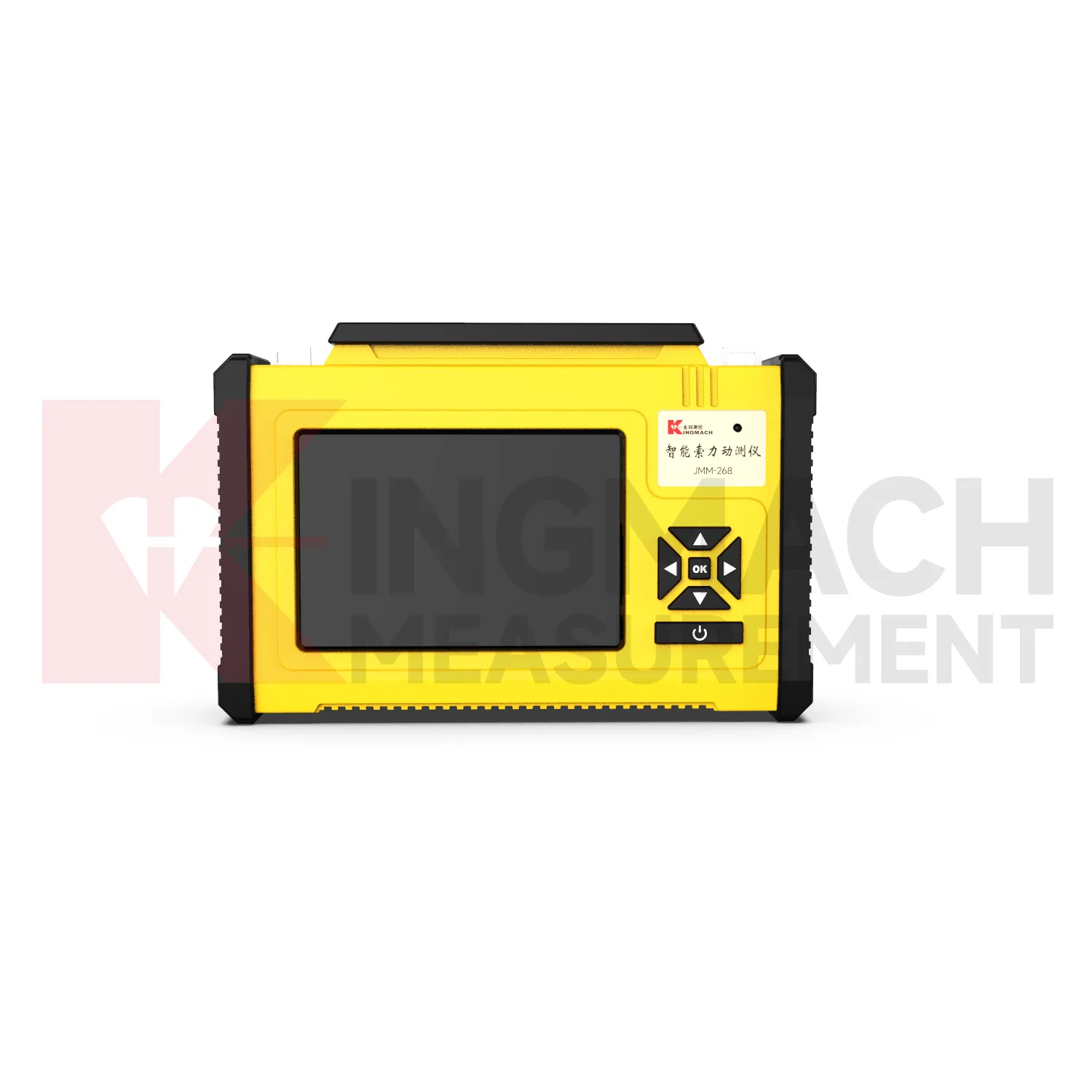
Care & Maintenance of readouts
Enclosure care supports reliable Kingmach readouts operation at remote stations. Data loggers may face rain, condensation, dust, insects, vibration, impact, or temperature changes. Maintenance staff should inspect cabinet seals, mounting hardware, cable entries, ventilation, drainage, and physical protection. If water entry or corrosion is found, the record should identify affected channels and the repair action. Enclosure notes are especially important when data gaps appear during storms or site works. A clean maintenance record helps reviewers decide whether the issue came from the structure, the sensor, or the acquisition device. Cabinet location should also be reviewed after construction changes. A box that was safe during installation may later be exposed to runoff, dust, vehicle movement, or unauthorized access. When enclosure condition is recorded with photos and repair notes, the next maintenance visit can focus on the real risk instead of starting from guesswork. and reduce repeated visits. safely. over time. clearly.
Kingmach readouts
Kingmach readouts help bridge the gap between measurement hardware and engineering decisions. Sensors create signals, but owners and contractors need records that can be reviewed, exported, compared, and explained. A readout may confirm installation quality during a short site visit. A wireless logger may keep recording through rain, night work, or restricted access. A dynamic acquisition unit may capture synchronized events that ordinary slow logging would miss. These roles are different, yet they share the same purpose: keeping sensor information traceable. The best acquisition plan defines power, channel count, communication method, storage duty, and data review before instruments are installed. Once those details are defined, the team can decide which device belongs at each point. A temporary test may need a portable unit, while a remote slope station may need low-power upload and local storage. Matching device role to monitoring purpose makes the record easier to trust. across the project lifecycle.
FAQ
Q: When is a portable readout useful?
A: A portable readout is useful during installation, inspection rounds, sensor verification, temporary testing, and maintenance checks when immediate field values are needed.
Q: When is a wireless logger useful?
A: A wireless logger is useful at remote or difficult access sites where scheduled acquisition and active upload reduce repeated manual visits.
Q: Can one device handle every monitoring task?
A: No. Slow long-term monitoring, dynamic event capture, digital bus acquisition, and handheld verification may require different acquisition devices.
Q: Why does acquisition interval matter?
A: The interval must match site behavior. Fast events need frequent or dynamic capture, while stable long-term points may use slower scheduled readings.
Q: How should data be handed over?
A: The handover file should include sensor lists, channel maps, baseline readings, acquisition settings, communication details, and maintenance history. The record stays useful when point names, channel labels, sensor type, measurement time, and field condition are kept together, because later reviewers can connect the number with the actual structure and inspection history.
Reviews
Andrew Lee
The visualization software is intuitive and powerful. It helps us analyze monitoring data efficiently.
Joshua Clark
We ordered a full monitoring solution including sensors and data loggers. Everything works seamlessly together. Great supplier!
Latest Inquiries
To protect the privacy of our buyers, only public service email domains like Gmail, Yahoo, and MSN will be displayed. Additionally, only a limited portion of the inquiry content will be shown.
Isabella***@gmail.comGermany
Hello, we are evaluating weir flow meters for a water management project. Please share accuracy deta...
Harper***@gmail.comIndia
Dear Sir, we are planning to procure a complete monitoring system including strain gauges, tiltmeter...
Related product categories
- Automated Data Acquisition System
- Integrated Monitoring System Software Platform
- Modular Monitoring System Software Platform
- digital readout
- digital readout tape measure
- digital readout scales
- digital readouts
- load cell readout
- load cell readouts
- tape measure digital readout
- temperature data loggers
- humidity and temperature data loggers