
 EN
 ar
 bg
 hr
 cs
 da
 nl
 fi
 fr
 de
 el
 hi
 it
 ko
 no
 pl
 pt
 ro
 ru
 es
 sv
 tl
 iw
 id
 lv
 lt
 sr
 sk
 sl
 uk
 vi
 et
 hu
 th
 tr
 fa
 ms
 hy
 ka
 ur
 bn
 mn
 ta
 kk
 uz
 ku

weir flow meter China
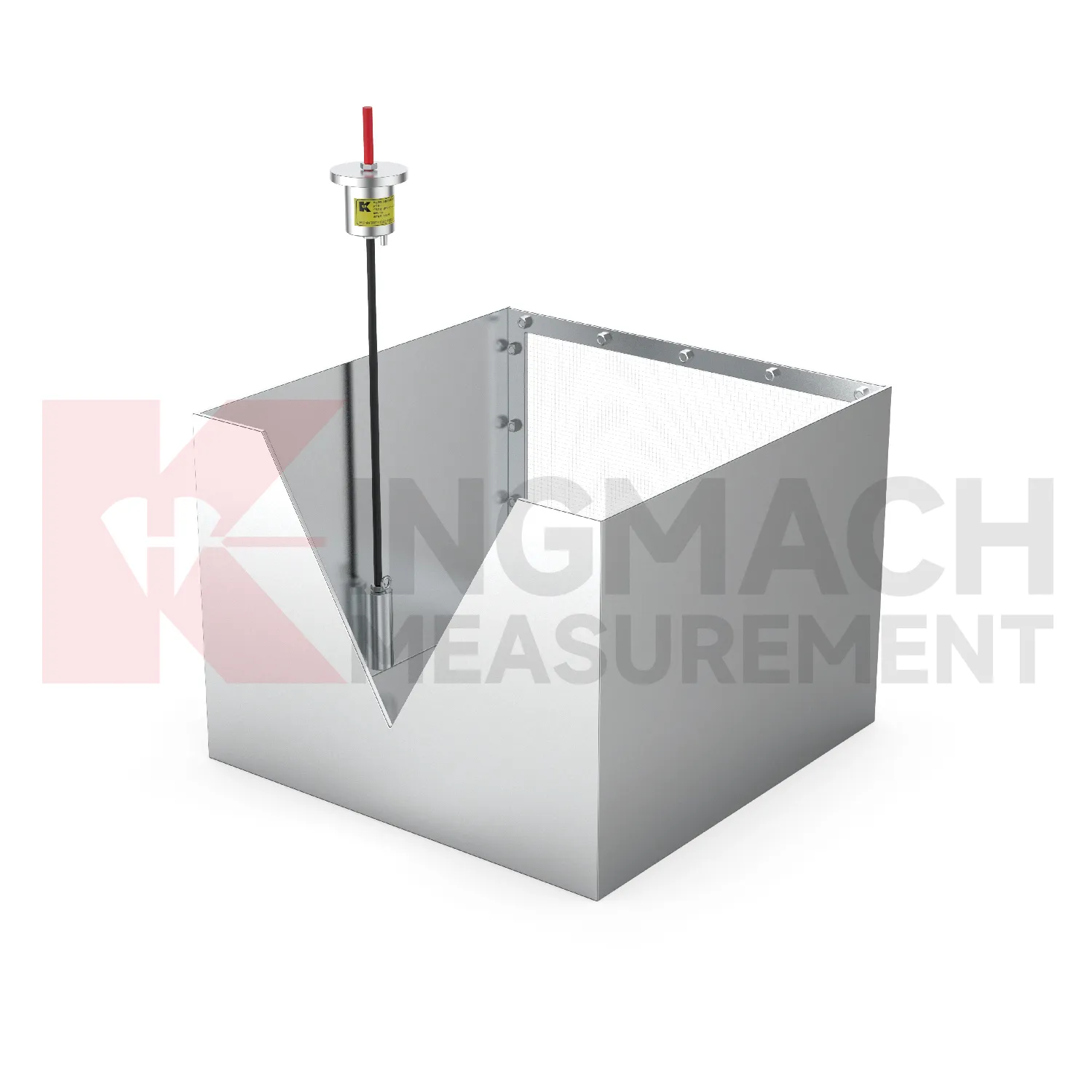
Kingmach weir flow meter China can support remote and unattended monitoring when the site is difficult to access or when flow needs to be observed continuously. Manual readings may be enough for occasional checks, but many drainage, irrigation, tunnel, and hydraulic sites need a record that covers night hours, storms, operating changes, and gradual shifts. Remote data is most useful when the point has a clean channel, a stable reference, protected cables, and clear channel names in the acquisition system. The data should be stored with units, time stamps, and field notes so reviewers understand both the water behavior and the measurement condition. If a remote flow point shows an abnormal change, the team should be able to check recent weather, maintenance work, upstream operation, and channel condition before sending someone to the site. This makes automation a practical operating aid rather than just a convenient display. A remote point also needs disciplined context. Alarm rules should match the expected channel behavior, not a generic number. Trend review should consider rainfall, pump activity, planned cleaning, nearby construction, and downstream water level. When these notes are tied to the curve, the office team can decide whether the event requires urgent inspection, routine follow-up, or simple observation. This reduces unnecessary travel while keeping the field record explainable for later reporting.
Application of weir flow meter China
Industrial water management uses Kingmach weir flow meter China where liquid flow through an open channel or controlled measuring section must be tracked. The site may need to monitor process water, cooling discharge, drainage, or controlled outflow. Flow records should be reviewed with operating schedules, equipment status, cleaning events, and water quality observations when available. The measuring point should avoid turbulence from nearby bends, drops, or inflow disturbances if the record is expected to represent stable channel behavior. Maintenance teams should keep access to the crest and water head location. When the data is connected to operations, the flow curve can show whether the process is stable, restricted, or affected by maintenance. Industrial sites often need records that different departments can read without argument. Operations staff may focus on timing, environmental staff may focus on discharge documentation, and maintenance staff may focus on cleaning or obstruction. A dated weir record gives these groups a shared basis for review. If process activity changes, the note beside the curve should explain what happened so the flow trend remains tied to real plant behavior. The same record can support permit discussions, internal audits, and maintenance planning when channel condition affects measured discharge. across operating teams. consistently.
The future of weir flow meter China
Water-related risk review will shape future Kingmach weir flow meter China. In slopes, dams, tunnels, and drainage systems, flow changes can be early evidence of a changing water path. Future monitoring should compare flow with seepage, pore pressure, rainfall, settlement, displacement, and inspection notes where those records exist. A flow rise alone may not mean danger, but a flow rise with movement or seepage change deserves attention. A flow drop can also matter if it suggests blockage or a changed drainage path. Future reporting should help teams see these combinations quickly. Risk review needs clear grouping of related records. Engineers should be able to see whether flow changed before, after, or at the same time as rainfall, pressure, or movement. That timing can guide the next field check and help avoid overreacting to a single isolated value. A practical report should make relationships visible without hiding the need for professional judgment. Carefully.
Care & Maintenance of weir flow meter China
Backwater and downstream conditions can affect Kingmach weir flow meter China records. A weir point assumes that the control section represents the intended relationship between water head and discharge. If downstream water rises, debris blocks the outlet, or channel work creates partial submergence, the recorded level may no longer describe normal open-channel behavior. Maintenance teams should inspect the outlet reach with the same care as the upstream approach. Reports should note flooding, gate operation, temporary pumping, silt deposits, weed growth, or repair work near the discharge path. This wider inspection prevents staff from treating every unusual reading as an instrument fault. A practical review can compare the timing of level changes with rainfall logs, pump schedules, site photographs, and operator notes. When the surrounding hydraulic condition has changed, the record should be kept with a clear explanation before any long-term trend, alarm history, or monthly flow total is interpreted for operating decisions. Clear notes reduce repeated site visits.
Kingmach weir flow meter China
For water conservancy and drainage work, Kingmach weir flow meter China helps turn routine channel observation into a record that can be compared over time. Manual checks may capture a single moment, but automatic flow monitoring can show daily rhythm, storm response, operating changes, and abnormal behavior. The data is useful when it answers practical questions: Is the channel passing expected flow? Did a maintenance action restore capacity? Did a rainfall event create delayed discharge? Did sediment or debris affect the measurement? A strong flow monitoring plan connects the weir point with field inspection and maintenance notes so the number remains explainable. The value is not only in collecting a level reading. It is in creating a stable reference for how a channel behaves under normal use, heavy rain, seasonal change, and maintenance activity. When the same location is observed consistently, operators can see whether the site is changing gradually or reacting to a specific event.
FAQ
Q: What site conditions affect flow readings?
A: Sediment, debris, turbulence, backwater, algae, damaged crest edges, poor approach flow, and changed channel geometry can all affect the record.
Q: Why is cleaning important?
A: Cleaning keeps the control section clear so the water head record continues to represent the intended flow relationship.
Q: How should abnormal flow changes be reviewed?
A: Check rainfall, upstream operation, downstream condition, cleaning history, enclosure status, and field inspection notes before drawing conclusions.
Q: Can flow monitoring be remote?
A: Yes. Remote monitoring is useful when continuous records are needed or when the site is difficult to access during storms or operation.
Q: What should be recorded at installation?
A: Record channel location, flow direction, weir condition, water head reference, cable route, enclosure position, cleaning access, and first stable reading. The strongest flow reports are written around decisions. They show whether to keep observing, clean the channel, inspect upstream conditions, check downstream backwater, or compare the point with another water-level or rainfall record.
Reviews
James Thompson
The tiltmeters and accelerometers are very sensitive and provide precise data. Perfect for our structural health monitoring system.
Michael Anderson
The strain gauges and load cells are extremely accurate and stable. They performed very well in our bridge monitoring project. Highly recommended!
Latest Inquiries
To protect the privacy of our buyers, only public service email domains like Gmail, Yahoo, and MSN will be displayed. Additionally, only a limited portion of the inquiry content will be shown.
Mia***@gmail.comNetherlands
Dear team, we are interested in your readouts & data loggers compatible with multiple sensors. Do yo...
Amelia***@gmail.comSingapore
Hello, I am looking for visualization software for monitoring system data analysis. Please let me kn...