
 EN
EN
 ar
ar bg
bg hr
hr cs
cs da
da nl
nl fi
fi fr
fr de
de el
el hi
hi it
it ko
ko no
no pl
pl pt
pt ro
ro ru
ru es
es sv
sv tl
tl iw
iw id
id lv
lv lt
lt sr
sr sk
sk sl
sl uk
uk vi
vi et
et hu
hu th
th tr
tr fa
fa ms
ms hy
hy ka
ka ur
ur bn
bn mn
mn ta
ta kk
kk uz
uz ku
ku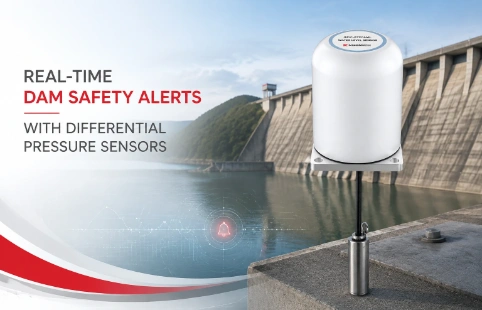
Real-Time Dam Safety Alerts with Differential Pressure Water Level Sensors
Key Takeaways An alert chain needs more than a sensor: define field in...

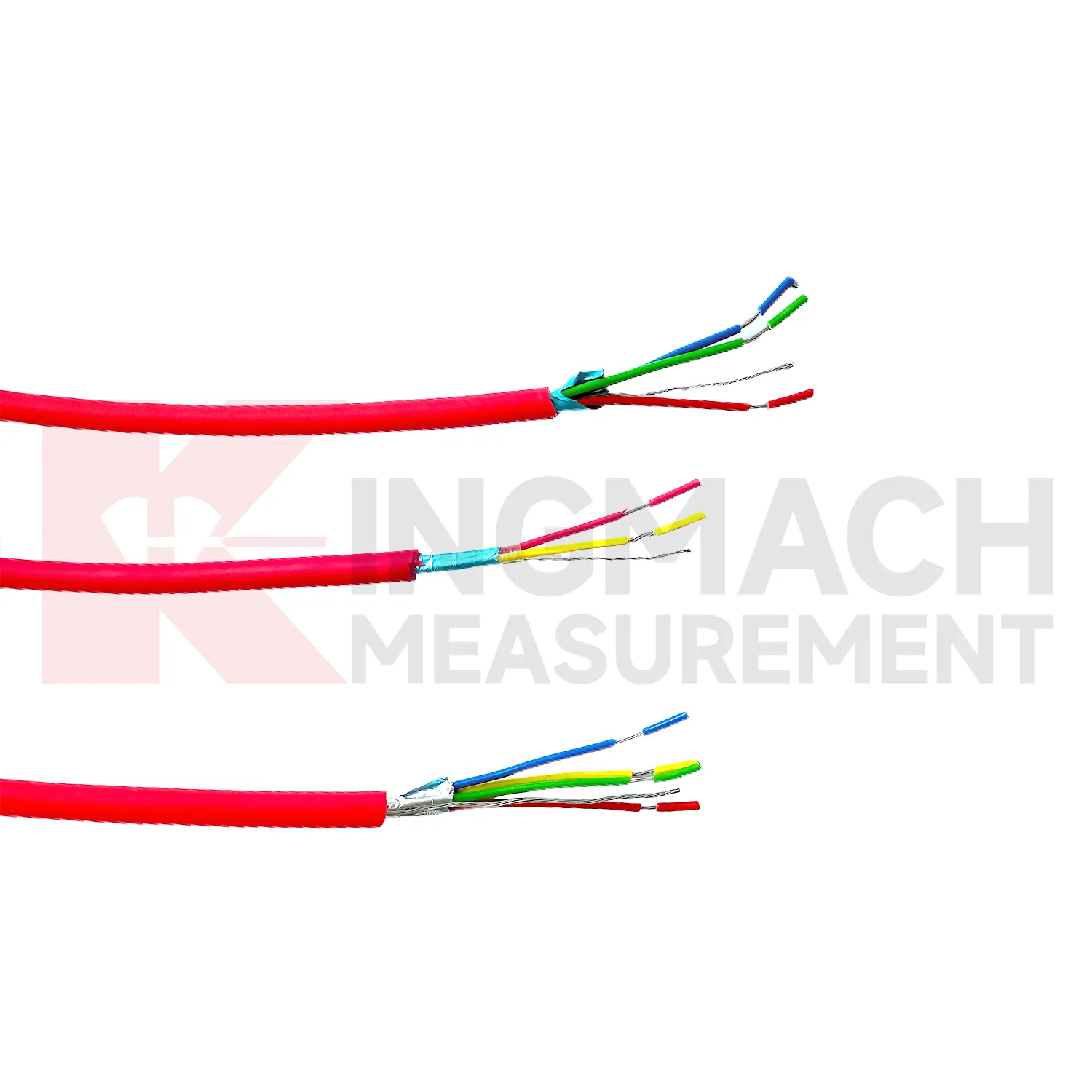
Doublelayer Shielded Test Cable for Cleaner Field Data
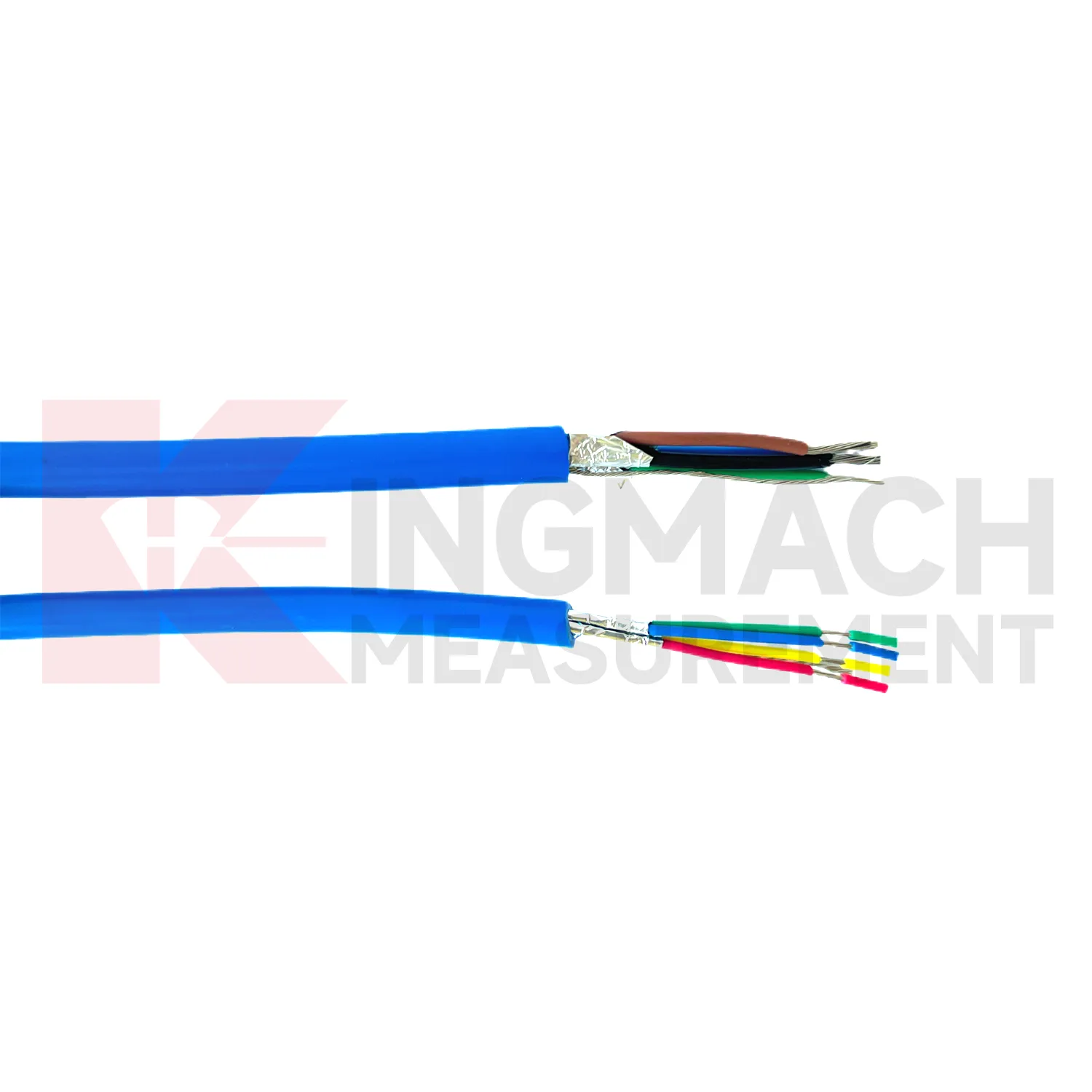
Instrument cables in geotechnical monitoring often run through electrically noisy environments. Generators, power lines, and variable frequency drives can couple into signal lines, making readings unreliable. A doublelayer shielded test cable uses two separate shielding layers – typically a foil shield and a braided shield – to block both high-frequency and low-frequency interference. Kingmach Measurement & Monitoring Technology Co., Ltd. supplies these cables as part of a wide range of monitoring instruments. Each cable is built to handle outdoor conditions and can be cut to the exact length a project needs. Engineers who need consistent sensor data from inclinometers, piezometers, or strain gauges choose this cable to avoid troubleshooting ghost signals. The double shielding also protects against physical wear when cables are dragged across rough terrain or buried in trenches. Custom connector assemblies are available, so the cable integrates directly with existing data loggers without adapters.
Technical Detail
Kingmach’s doublelayer shielded test cable is designed for sensor-to-logger connections that demand stable signal integrity. The two shielding layers – an aluminum-mylar foil wrap and a tinned copper braid – provide overlapping protection. The foil blocks radiated high-frequency noise from nearby radio transmitters or switching power supplies, while the braid handles low-frequency electromagnetic fields and provides mechanical strength. Between the shields, a non-conductive separator prevents contact and potential ground loops that can defeat the purpose of dual shielding. Outer jackets are available in either polyurethane or heavy-duty PVC, chosen for their resistance to abrasion, oil, and UV. This matters on active construction sites where cables get stepped on or run over. The jacket also maintains flexibility in cold weather, so crews can work without the cable becoming stiff and hard to manage. Internal conductors are twisted pairs with a tight lay length to cancel common-mode noise, adding a third layer of interference rejection beyond the shields alone. Unlike standard single-shield cables that pass certain types of noise, this design to capture and drain interference to ground before it reaches the data logger. For long cable runs over 100 meters, the low DC resistance of the braid keeps the shield effective end to end. Kingmach stocks cables in common gauges like 22 AWG and 24 AWG, but can source heavier conductors if the application involves low-level AC signals or thermocouple circuits where series resistance matters. Each reel is tested for continuity and shield isolation before shipment, with test reports included on request.
News
Key Takeaways An alert chain needs more than a sensor: define field in...
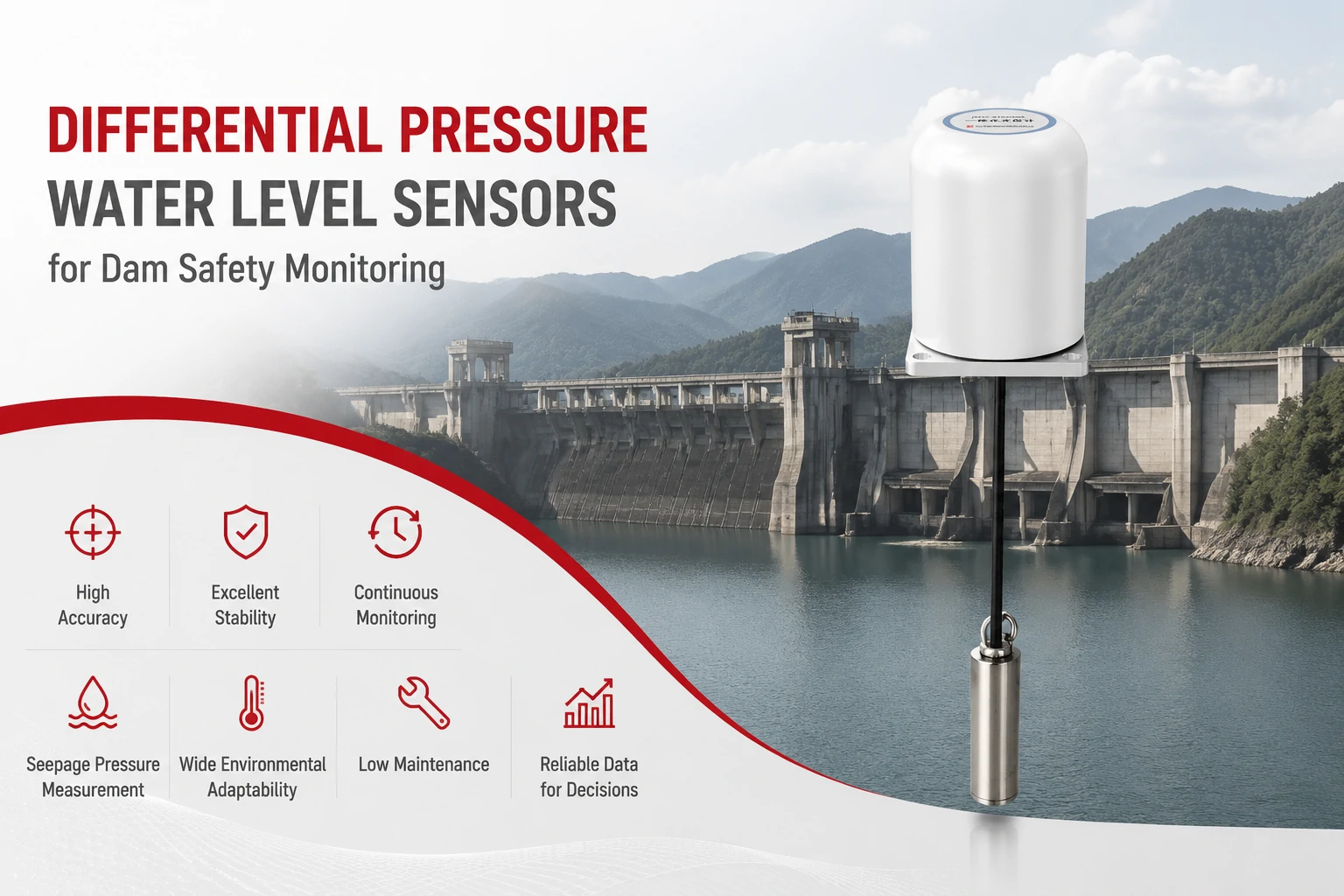
Key Takeaways The strongest fit is usually a confined, submerged, or s...
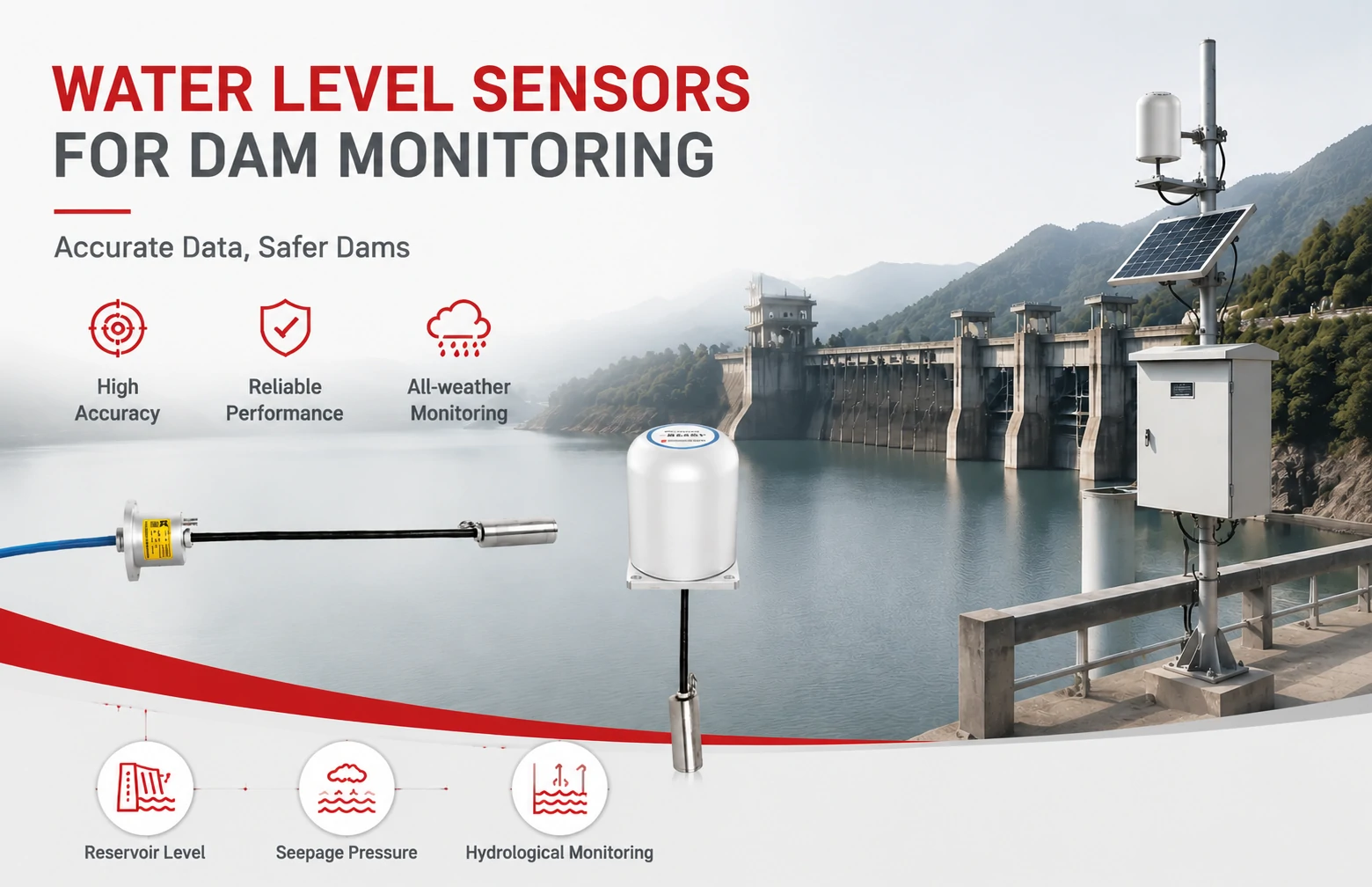
Kingmach Water Level Sensors for Dam Monitoring: A Buyer's Guide to Differential Pre...
Products
FAQ
A single-shielded cable uses one layer, usually a foil or braid, which covers a limited frequency range. A doublelayer shielded cable combines both – typically an inner foil and an outer braid – to cover a much wider interference spectrum. The foil handles high-frequency radiated noise; the braid manages low-frequency magnetic fields and provides a low-resistance path for induced currents. This dual approach means fewer dropouts or erratic readings when sensors are near motors, generators, or radio equipment.
Kingmach supplies both standard reel lengths and custom-cut lengths. If your site has many sensors spaced at odd intervals, you can order cables cut to the exact meter you need, with connectors fitted in our workshop. This saves time in the field and eliminates excess cable loops that can act as antennas for noise.
For direct burial or long-term outdoor exposure, we recommend the polyurethane jacket. It resists moisture, abrasion, and most hydrocarbons better than PVC. It also stays flexible across a wide temperature range, typically from -40 °C to 80 °C, which helps during installation in winter. If the cable will be pulled through conduit or used indoors, heavy-duty PVC is a cost-effective alternative.
Long cable runs increase the antenna effect – the longer the wire, the more noise it picks up. The double shielding reduces that pickup by providing a continuous conductive barrier around the signal pairs. The braid’s low DC resistance ensures that induced currents are drained to ground effectively, even at the far end of a 200-meter run. This keeps the shield voltage near zero along its entire length, which is critical for low-amplitude sensor signals.
The cable is suitable for any low-voltage sensor with a balanced output, like vibrating wire piezometers, strain gauges, load cells, or thermistors. We match the conductor count and pinout to your logger. Just let us know the sensor type and connector style, and we can build cables that plug directly into your data acquisition system without adapter boxes.
Share your product type, target capacity, and application requirements. Our team can review the details and recommend a practical next step.
If you are interested in our products or want to become our partner.
Please leave your contact information, our team will contact you as soon as possible.
Mail: [email protected]
Contact Us: +8613808434127
Address: No. 188 Tongzipo West Rd, Changsha, Hunan, China