
 EN
EN
 ar
ar bg
bg hr
hr cs
cs da
da nl
nl fi
fi fr
fr de
de el
el hi
hi it
it ko
ko no
no pl
pl pt
pt ro
ro ru
ru es
es sv
sv tl
tl iw
iw id
id lv
lv lt
lt sr
sr sk
sk sl
sl uk
uk vi
vi et
et hu
hu th
th tr
tr fa
fa ms
ms hy
hy ka
ka ur
ur bn
bn mn
mn ta
ta kk
kk uz
uz ku
ku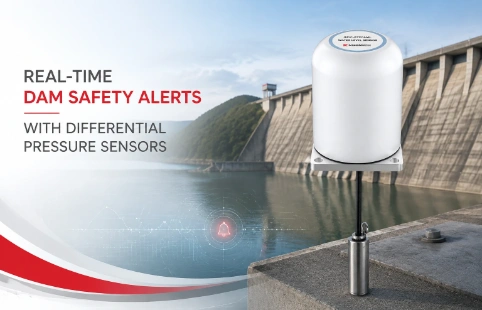
Real-Time Dam Safety Alerts with Differential Pressure Water Level Sensors
Key Takeaways An alert chain needs more than a sensor: define field in...

Joint Meter – Accurate Displacement Monitoring
Engineers dealing with concrete dams, tunnels or retaining walls know the struggle: cracks appear, joints shift, and you need to know exactly how much. A joint meter becomes that silent observer, tracking millimeters of movement that could spell trouble. At Kingmach, we’ve been building these instruments long enough to know that real job sites don’t match lab conditions. So our design leans toward simplicity—something that installs fast, stays put through freeze-thaw cycles, and doesn’t demand constant recalibration. Whether you’re monitoring a bridge abutment or a deep excavation, the data stream needs to be boringly consistent. This page gives you the straight details on what our joint meters actually do, how they fit into your monitoring setup, and what to ask before you buy.
Technical Detail
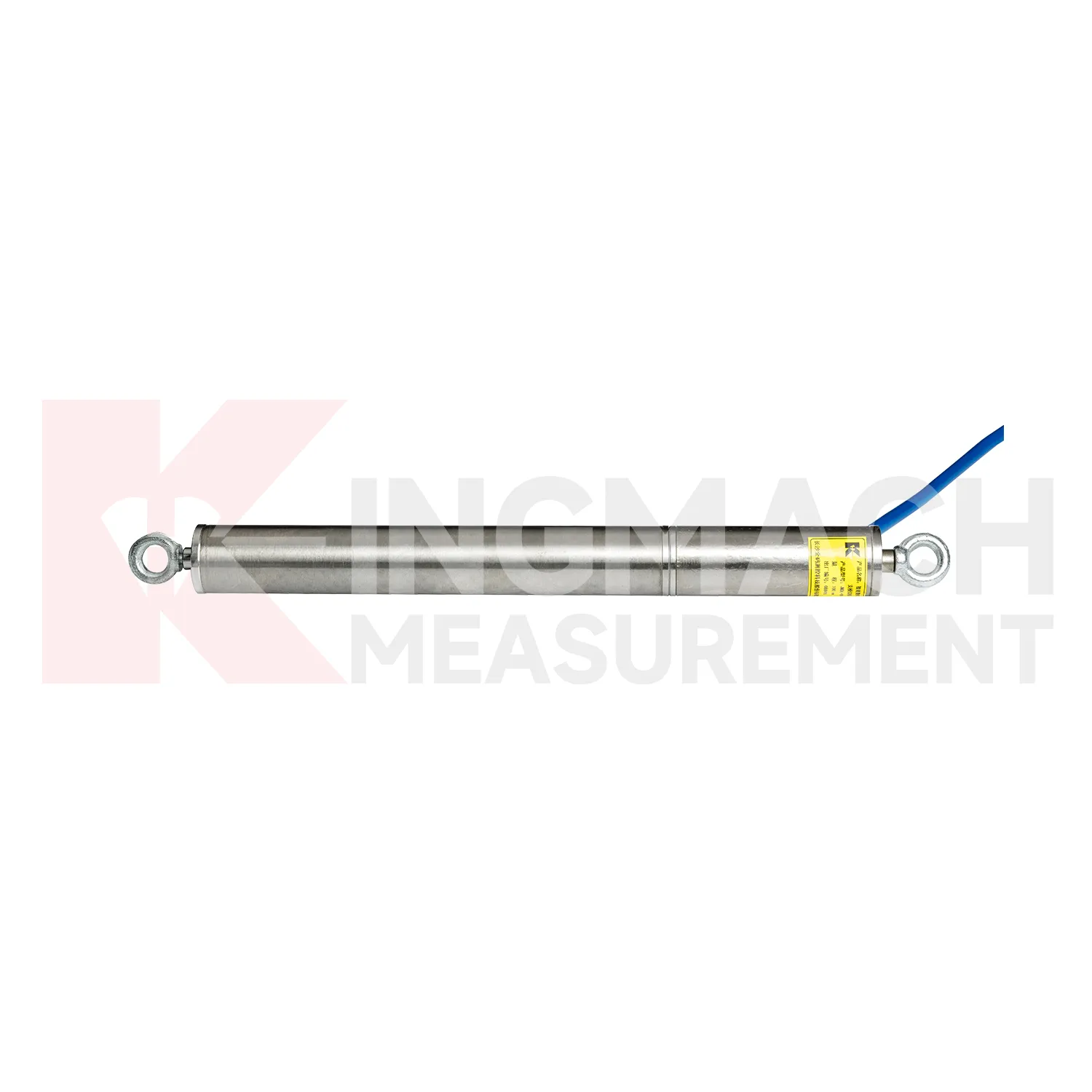
Kingmach joint meters are built for engineers who need displacement data they can trust, without overpaying for features they’ll never use. Each sensor consists of a precision potentiometric or vibrating wire transducer housed in a sealed, stainless steel body with adjustable mounting brackets. The typical measuring range spans from 25 mm to 200 mm, covering most structural and geotechnical joints. Resolution sits at 0.01 mm or better, depending on the model, while linearity stays within ±0.1% full scale—enough to catch the subtle creep that precedes bigger shifts. We heavily coat the internals against moisture, because real trenches and anchor blocks tend to get wet. Signal output is standard 4-20 mA or mV/V, which means you can wire these right into existing data loggers without any custom converter boxes. A few less obvious things make the difference: the swivel rod ends accommodate off-axis movement, reducing the chance of binding in cracked concrete; the cable gland is field-replaceable, so a snagged cord doesn’t trash the whole unit; and we stock common spare parts so you’re not waiting weeks for a gasket. Users deploy them across retaining walls, tunnel linings, pipeline flanges, and rock fissures. Kingmach also provides calibration sheets traceable to national standards, which helps when your client asks for documentation. With a growing global distribution network, we can usually get units to site faster than you’d expect, and our technical team walks you through first-time setup if the manual leaves you guessing.
News
Key Takeaways An alert chain needs more than a sensor: define field in...
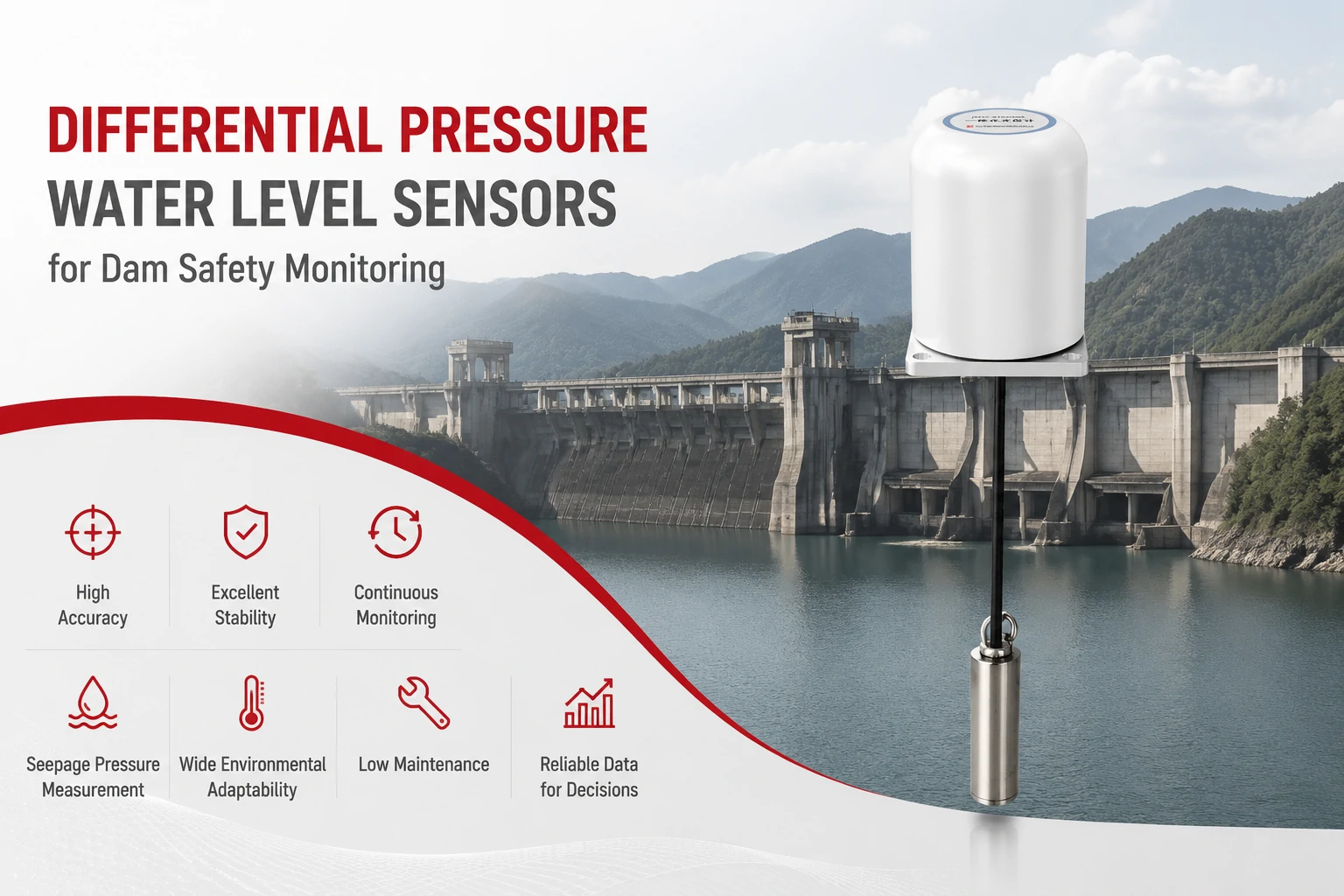
Key Takeaways The strongest fit is usually a confined, submerged, or s...
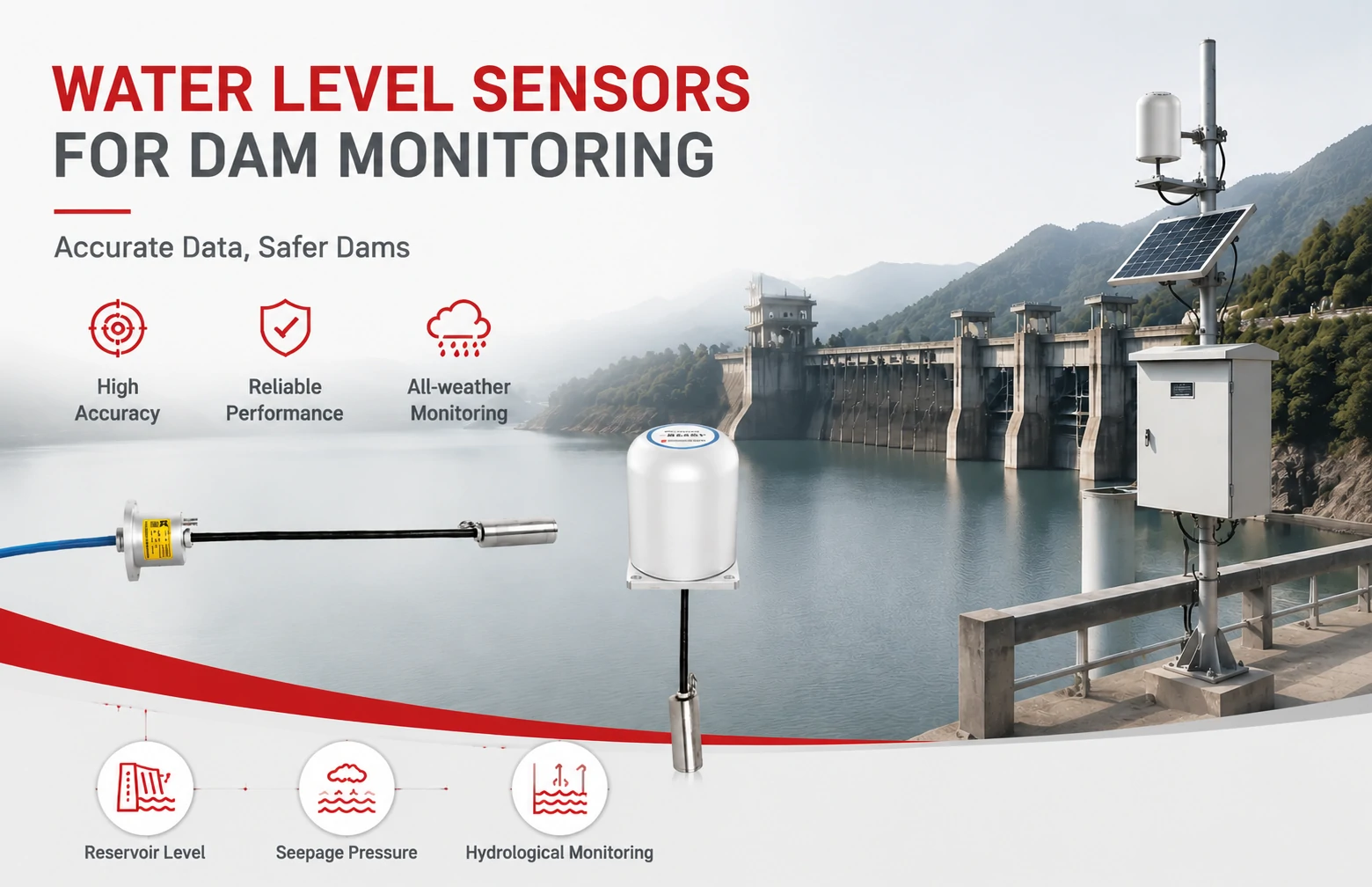
Kingmach Water Level Sensors for Dam Monitoring: A Buyer's Guide to Differential Pre...
Products
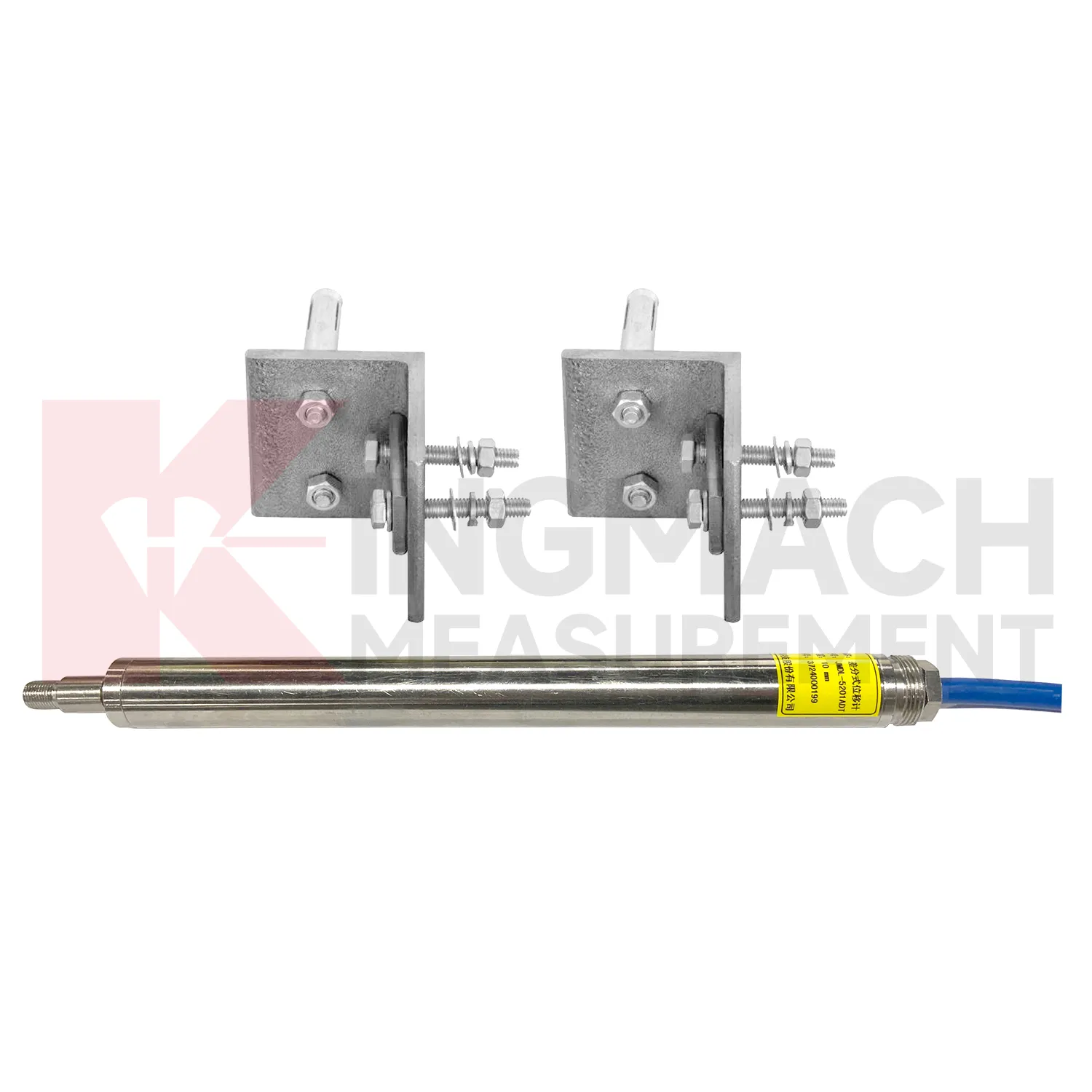
Smart Formwork Displacement Meter/ Steel Wire Displacement Meter JMDL-49XXAT
View Details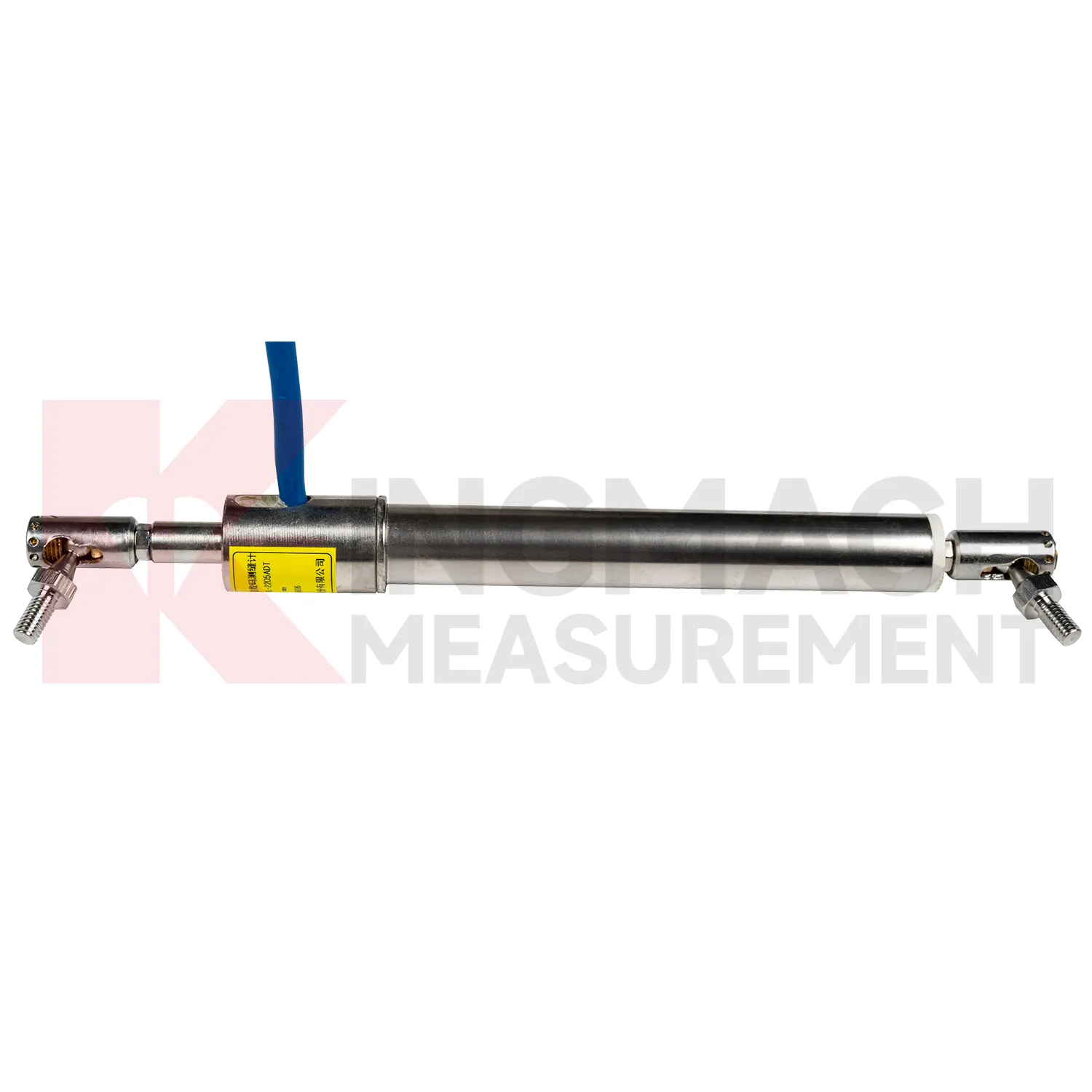
FAQ
In practice, potentiometric sensors give you a simpler analog signal and cost less, but they can drift slightly over years if exposed to extreme humidity. Vibrating wire types hold calibration longer and survive better in fully submerged conditions, though they need a compatible readout unit. Most surface joints do fine with pot models; embedment in wet concrete leans toward vibrating wire.
Usually yes. The mounting brackets have enough adjustment to let the sensor sit parallel even if the surfaces aren’t. For heavily spalled concrete, we often supply extended standoffs so you anchor into sound material behind the damage. The swivel rod ends handle a few degrees of off-axis movement without transferring bending loads to the transducer.
Standard kits include a rugged steel cover plate that bolts over the top. It takes a direct hit from a shovel or a dropped rock without touching the transducer. If you need something even tougher, we offer heavy-duty aluminum or stainless covers. The cable exits through a protected channel, so a tire rolling over it usually just grinds the sheath, not the conductors.
Very little if the initial installation was solid. We recommend checking the zero reading every 6 months by temporarily removing the sensor from its mounts and reinstalling it, or by using a micrometer jig on site. The o-ring seals can eventually harden in direct sunlight; we sell replacement seal kits and re-calibration services. Data loggers might need battery swaps, but that’s about it.
Yes. The sensor body size is fixed, but we can machine custom-length extension rods and brackets to fit the geometry you’re dealing with. For narrow cracks, we’ve built units with offset arms that keep the transducer clear of the opening while still measuring displacement accurately. Turnaround for custom orders typically adds a week or two, not months.
Share your product type, target capacity, and application requirements. Our team can review the details and recommend a practical next step.
If you are interested in our products or want to become our partner.
Please leave your contact information, our team will contact you as soon as possible.
Mail: [email protected]
Contact Us: +8613808434127
Address: No. 188 Tongzipo West Rd, Changsha, Hunan, China