
 EN
EN
 ar
ar bg
bg hr
hr cs
cs da
da nl
nl fi
fi fr
fr de
de el
el hi
hi it
it ko
ko no
no pl
pl pt
pt ro
ro ru
ru es
es sv
sv tl
tl iw
iw id
id lv
lv lt
lt sr
sr sk
sk sl
sl uk
uk vi
vi et
et hu
hu th
th tr
tr fa
fa ms
ms hy
hy ka
ka ur
ur bn
bn mn
mn ta
ta kk
kk uz
uz ku
ku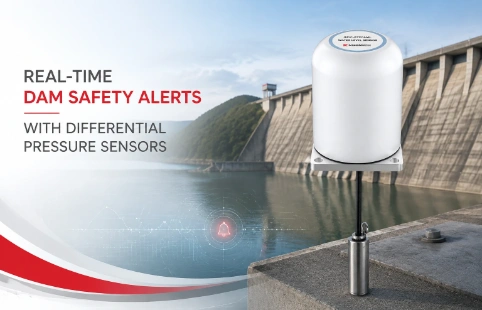
Real-Time Dam Safety Alerts with Differential Pressure Water Level Sensors
Key Takeaways An alert chain needs more than a sensor: define field in...

Accurate Magnetostrictive Displacement Meter - Kingmach
Underground works, dams, and slopes depend on precise displacement data to stay safe. Magnetostrictive displacement meters have earned their place in these applications through a sensing principle that sidesteps many of the wear issues common with contact-based instruments. At Kingmach, we build these meters with the real-world field conditions in mind—water ingress, temperature swings, and limited access. The result is a line of instruments that deliver stable readings over years without demanding constant attention. Whether embedded in a borehole or surface-mounted on a structure, our meters connect seamlessly to most data loggers and automation systems. This text walks through what the technology does, how our implementation differs from generic alternatives, and which scenarios benefit from it most.
Technical Detail
A magnetostrictive displacement meter works by sending a current pulse along a waveguide. When the pulse meets the magnetic field of a position magnet, a torsional strain pulse reflects back—timing gives the distance. This means the measurement happens without physical contact between the sensing element and the magnet, so there’s nothing to wear down. Kingmach units use this foundation and add practical touches for field use: sturdy stainless housing, IP67 or higher sealing as standard, and electronics that cope with voltage dips on site. Output is typically 4-20 mA, Modbus, or SDI-12—formats that slot into nearly any monitoring network. We stock several stroke lengths, and if your project calls for a non-standard range or a specific mounting bracket, our engineering team can adjust the design. The instruments have seen service in dam crest monitoring, landslide early-warning systems, and structural health checks on bridges. In each case, the feedback we get is consistent: once installed and calibrated, they rarely need re-zeroing, even after seasonal ground movement. Because we position ourselves in the mid-tier, you get field-tested reliability without paying for laboratory-grade frills that real-world sites seldom require.
News
Key Takeaways An alert chain needs more than a sensor: define field in...
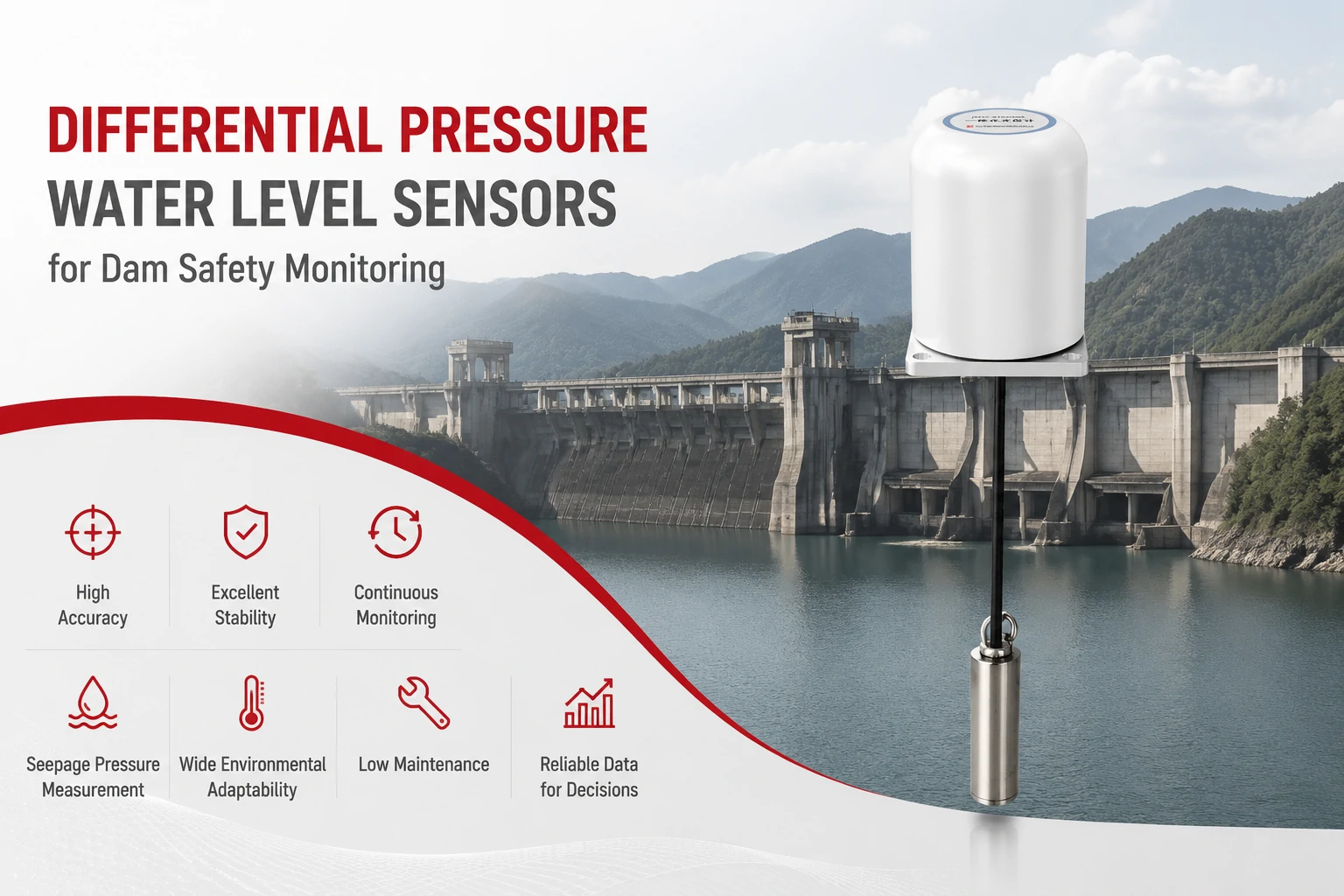
Key Takeaways The strongest fit is usually a confined, submerged, or s...
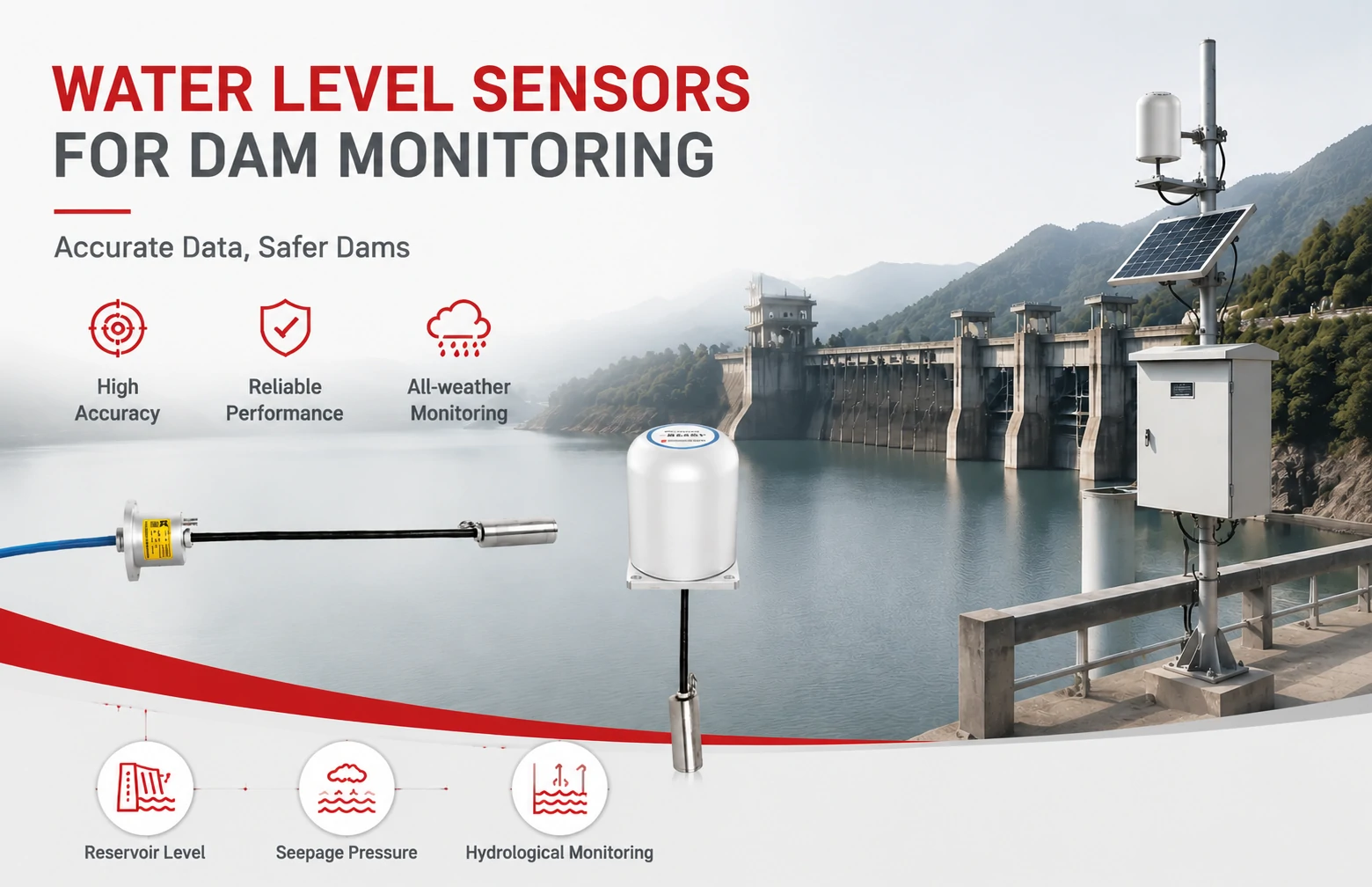
Kingmach Water Level Sensors for Dam Monitoring: A Buyer's Guide to Differential Pre...
Products
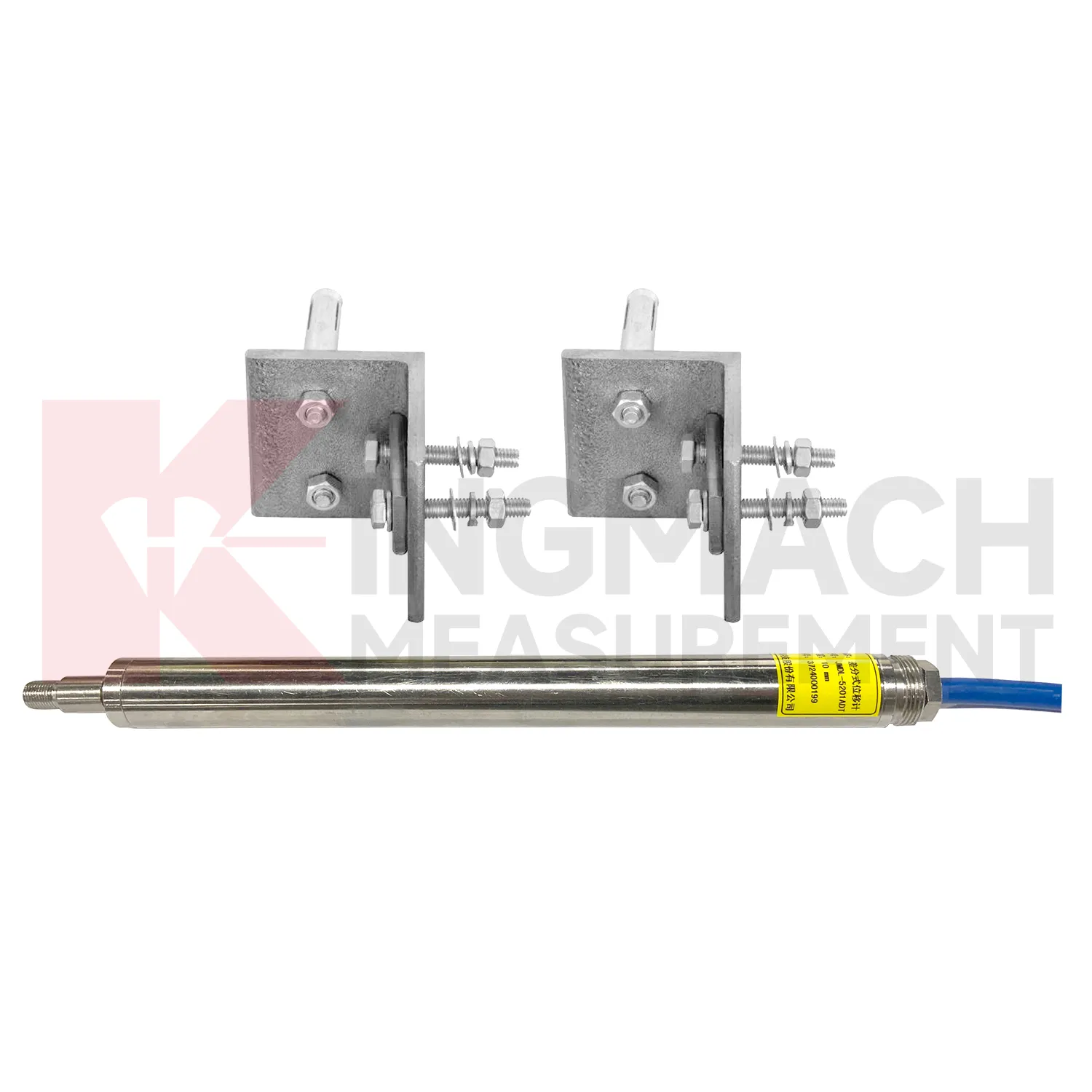
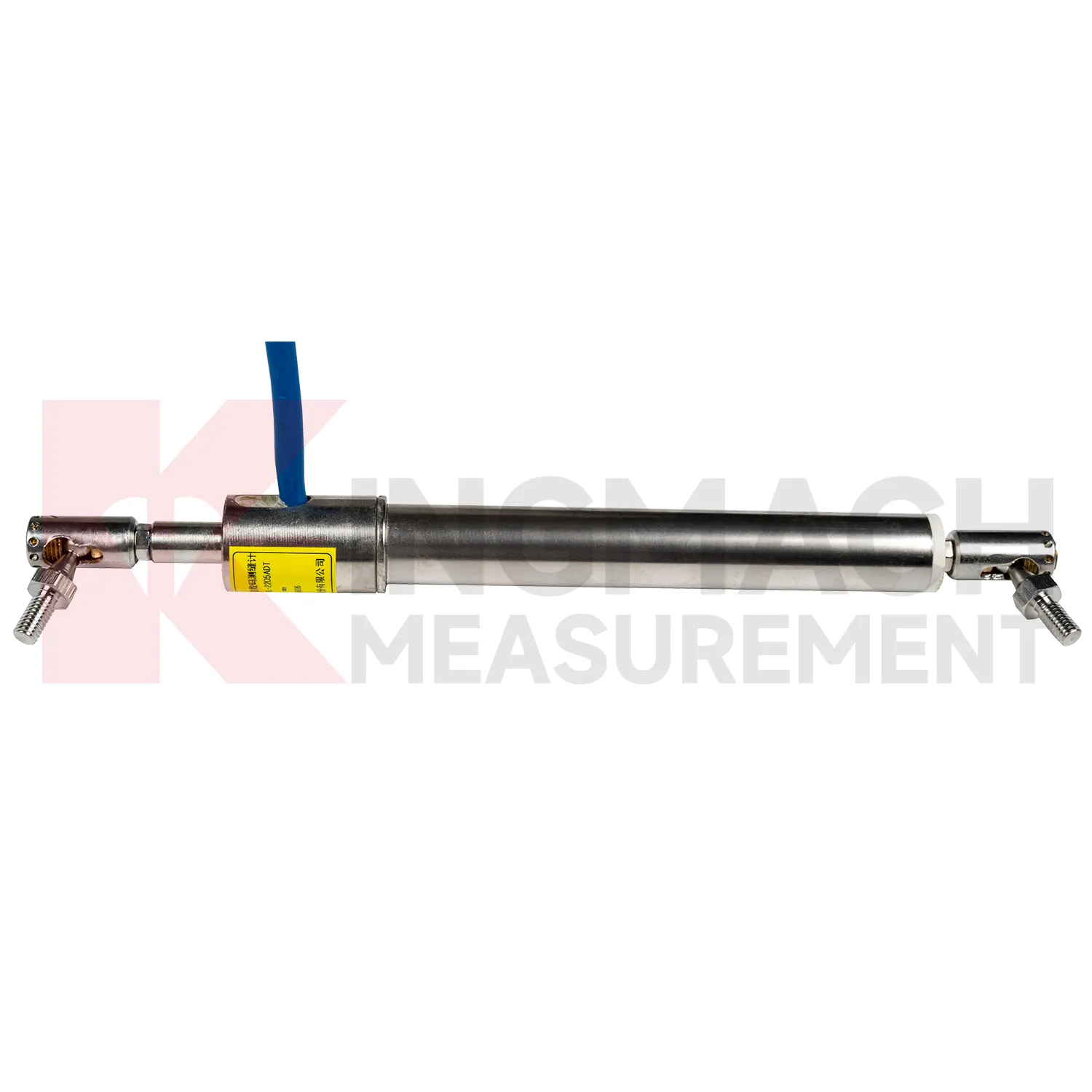
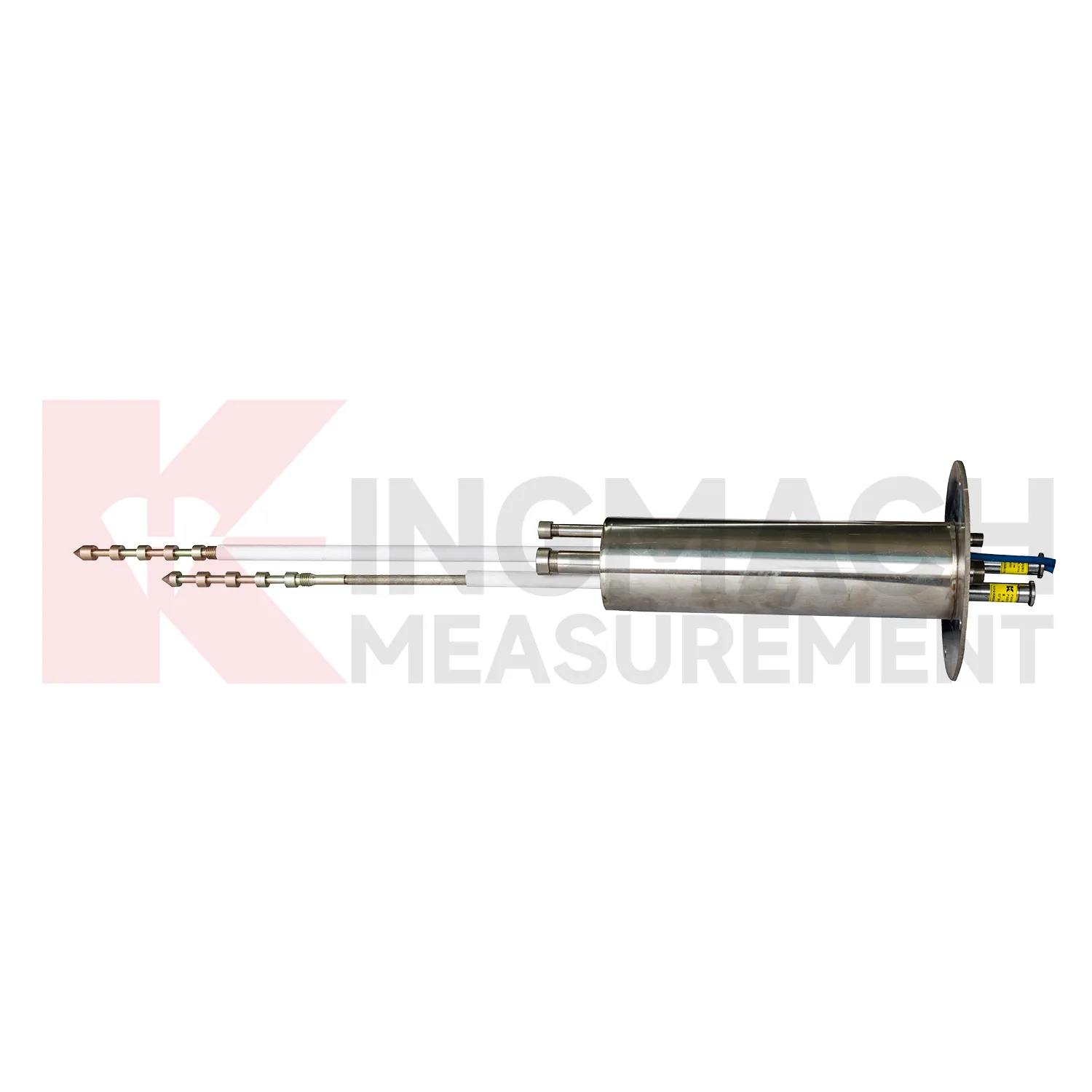
Smart Multipoint Displacement Meter JMDL-31XXAT
View DetailsFAQ
The main difference is the non-contact sensing. Potentiometric types rely on a wiper touching a resistive track, which eventually wears. LVDTs also have moving cores. Magnetostrictive meters have no sliding electrical contacts on the measuring path, so they tolerate vibration, dirt, and moisture better in long-term outdoor installations.
A small lateral offset of the magnet is usually fine as long as it stays within the specified guidance zone. A bent rod, however, can block the waveguide signal. In practice, installers aim to keep the rod straight and the magnet free from side load. The mounting brackets we supply help maintain alignment.
Calibration is done at the factory against a laser reference before shipment. On site, you verify the output at a known zero position. Many users find they don’t need to recalibrate unless the sensor is physically disturbed. We can provide a calibration certificate and recommend a simple field check procedure.
In most Kingmach models, the electronics are housed in a terminal box at the rod end, making replacement possible without pulling out the whole sensor. Cable length between sensor and readout can reach several hundred meters with proper shielding; we confirm acceptable lengths based on the output signal type during ordering.
Yes, the measuring principle captures position continuously. If your data acquisition system samples fast enough, you can track slow creep as well as dynamic motion like vibration. Just let us know your expected frequency range so we match the internal filter settings to avoid aliasing.
Share your product type, target capacity, and application requirements. Our team can review the details and recommend a practical next step.
If you are interested in our products or want to become our partner.
Please leave your contact information, our team will contact you as soon as possible.
Mail: [email protected]
Contact Us: +8613808434127
Address: No. 188 Tongzipo West Rd, Changsha, Hunan, China