
 EN
EN
 ar
ar bg
bg hr
hr cs
cs da
da nl
nl fi
fi fr
fr de
de el
el hi
hi it
it ko
ko no
no pl
pl pt
pt ro
ro ru
ru es
es sv
sv tl
tl iw
iw id
id lv
lv lt
lt sr
sr sk
sk sl
sl uk
uk vi
vi et
et hu
hu th
th tr
tr fa
fa ms
ms hy
hy ka
ka ur
ur bn
bn mn
mn ta
ta kk
kk uz
uz ku
ku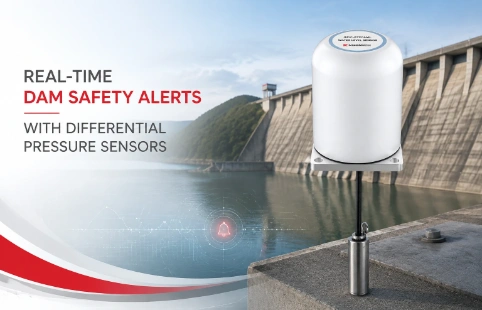
Real-Time Dam Safety Alerts with Differential Pressure Water Level Sensors
Key Takeaways An alert chain needs more than a sensor: define field in...

Modular Central Data Acquisition Host: Flexible Monitoring Hub
Data loggers that lock you into a single sensor type create more headaches than they solve. The modular central data acquisition host from Kingmach takes a different approach—it’s built to accept a wide range of signal inputs, so you can mix vibrating wire, RS485, analog, and digital sensors without juggling multiple boxes. Field configuration is straightforward, and the unit can be expanded with extra modules as monitoring demands grow. This makes it a practical fit for projects where sensor types change over time, such as dam safety, tunnel convergence, or deep excavation. Some numbers help: the base unit typically handles 16 to 32 channels, and with extension modules you can push past 200 channels. Communication options usually cover 4G, Ethernet, and LoRa, so it slots into both urban and remote sites. Power management is something you’ll feel when the system sips less than 2W in idle mode—that matters on solar+battery setups. We’ve seen these hosts running for months without a hiccup, which is exactly what you need when access to the site is limited. Kingmach can also preconfigure the firmware for specific project requirements, which trims the setup time on your end.
Technical Detail
Most off-the-shelf data acquisition units force a choice between channel count and compatibility. Kingmach’s modular central data acquisition host sidesteps that. You start with a mainboard that handles standard digital and analog inputs, then snap in modules for vibrating wire, SDI-12, or relay outputs as needed. The electrical design keeps noise low enough that you can run cable lengths over 500 m with vibrating wire sensors without losing signal integrity—something serious monitoring projects often demand. Internally, the host runs an industrial ARM processor paired with a Linux OS, which means it can handle edge computing tasks like data logging, basic alarming, and protocol conversion locally. That reduces the traffic you send to the cloud and keeps the system working even if the connection drops. For communication, you get options: built-in 4G (with global band support), Ethernet, RS485, and LoRa are typical. The firmware supports standard protocols such as Modbus TCP/RTU, MQTT, and FTP push, so integrating with third-party SCADA or cloud platforms isn’t a custom development job each time. Storage is solid—usually a 16 GB industrial-grade SD card that can hold months of 5-minute data from over 100 channels. Remote firmware upgrades are possible, and Kingmach provides a configuration utility that doesn’t require you to write scripts. Power wise, the host can run from 9–36 V DC, and a properly sized solar panel keeps it going in the field. Temperature range is typically -20 to 70 °C, tested for humidity and dust (IP rating around 65). Kingmach, as a specialist in geotechnical instruments, also ensures that the host works natively with its own line of sensors—vibrating wire piezometers, inclinometer chains, crack meters, you name it—but it’s also tested with common third-party brands. Customization is possible: if your project needs a specific protocol or a non-standard channel arrangement, the engineering team can tweak the firmware and hardware layout. This isn’t a box you buy off the shelf—you get it configured for your monitoring plan, with wiring diagrams and a test report. Global shipping and technical support are standard, and the manual is in clear English with functional diagrams, not just a translated spec sheet.
News
Key Takeaways An alert chain needs more than a sensor: define field in...
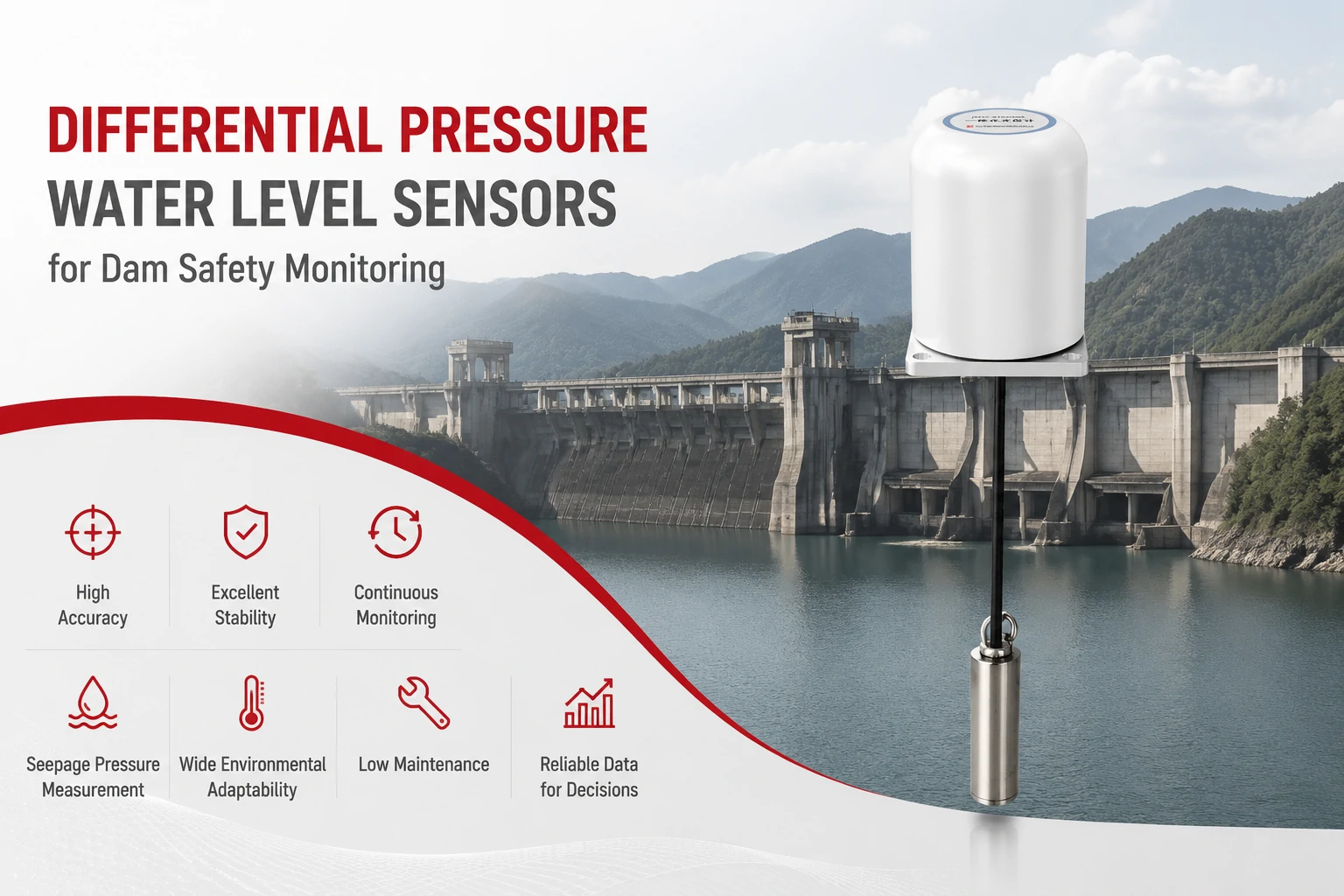
Key Takeaways The strongest fit is usually a confined, submerged, or s...
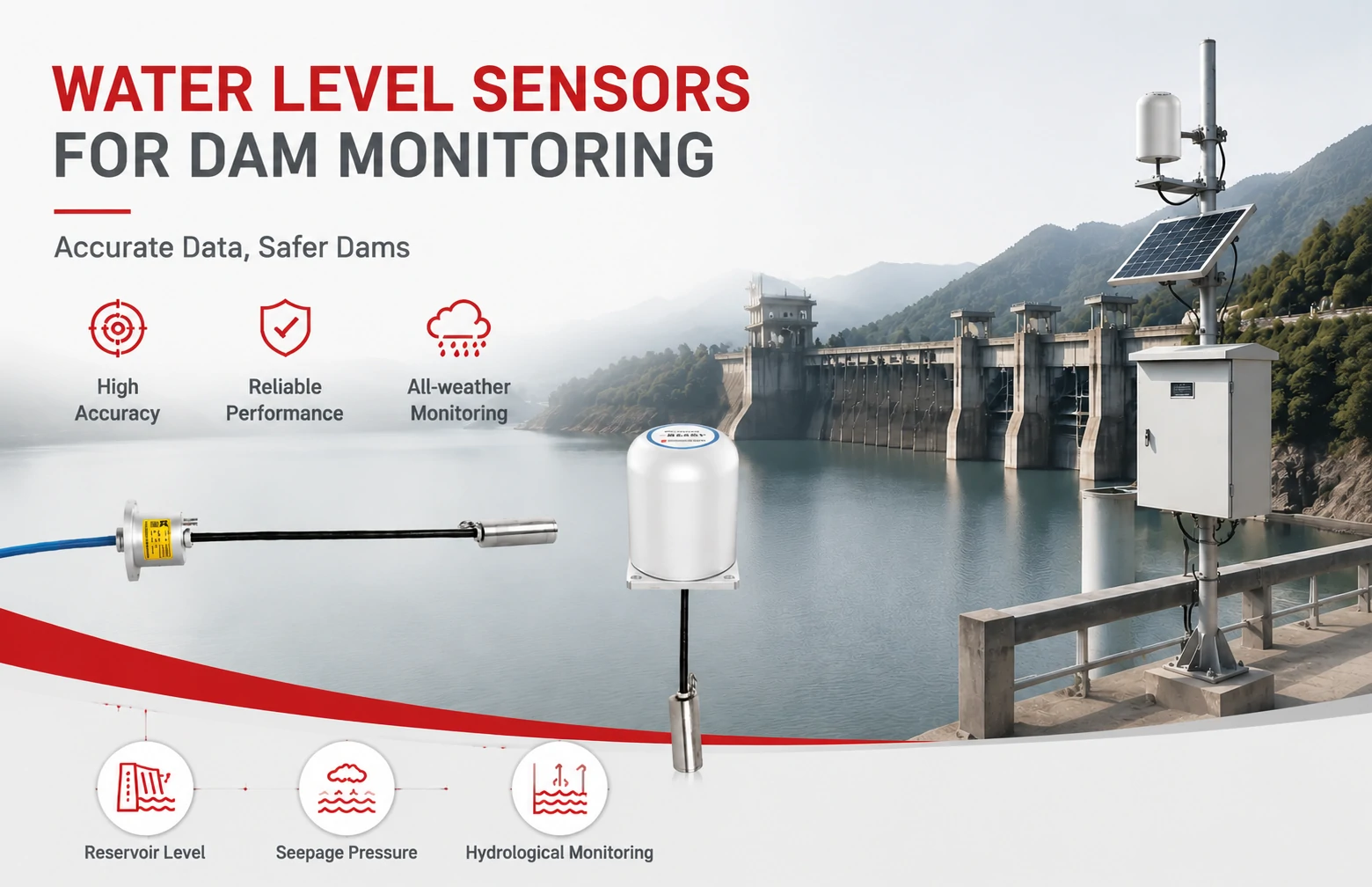
Kingmach Water Level Sensors for Dam Monitoring: A Buyer's Guide to Differential Pre...
Products
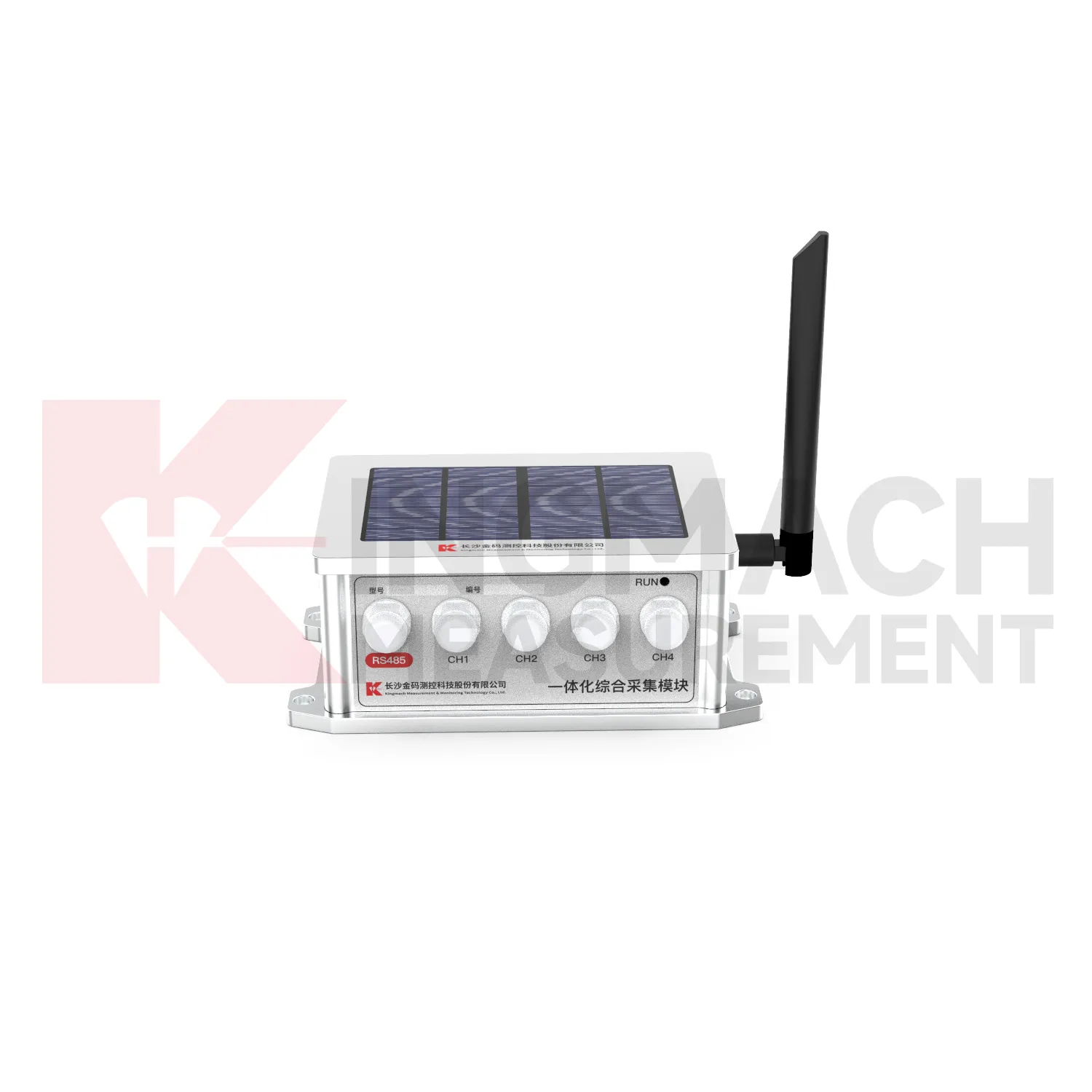
Integrated Comprehensive Acquisition Module JMZX-4/8GH-RTU
View Details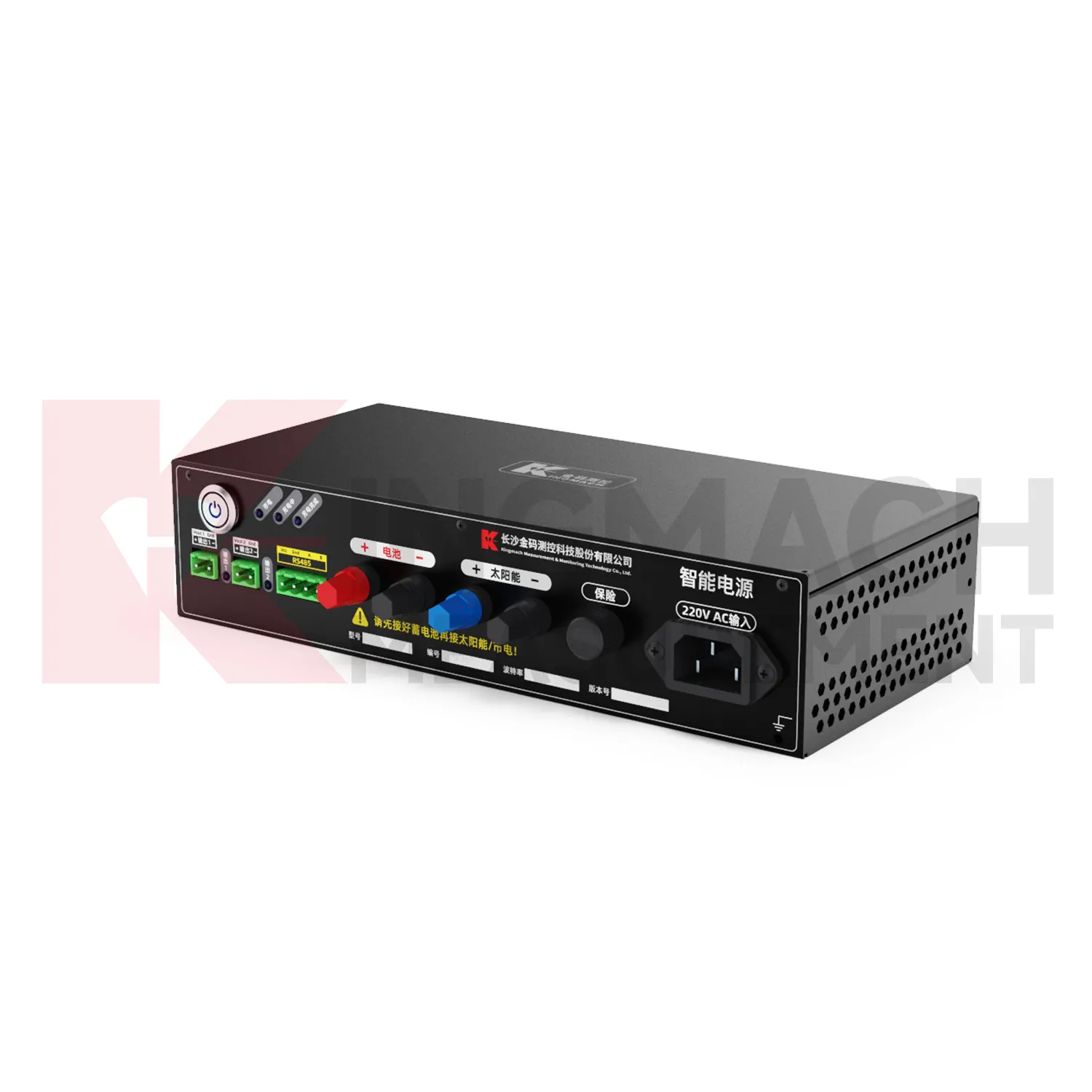
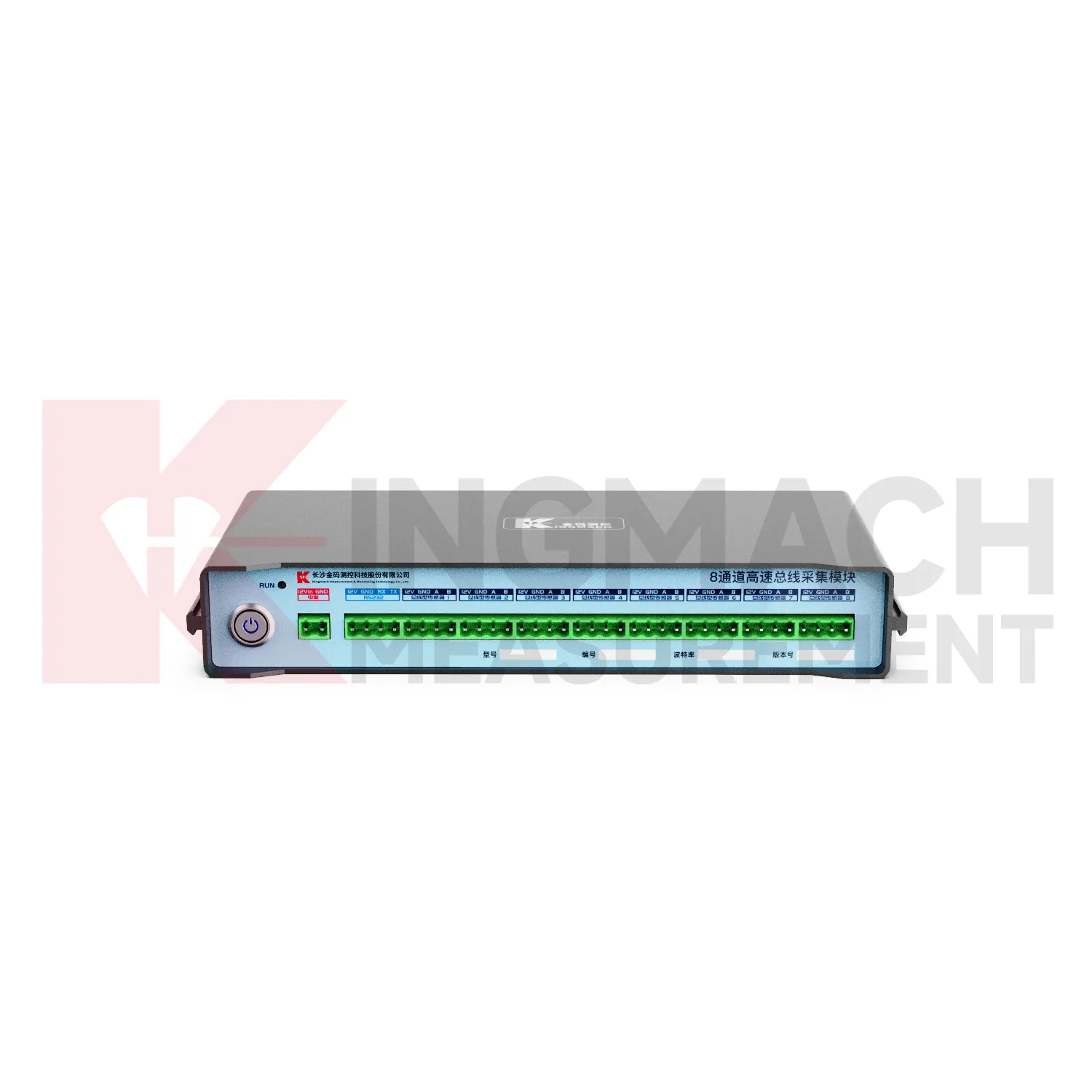
8-channel high-speed bus acquisition module JMJK-8DH
View DetailsFAQ
It’s designed for mixed-sensor sites. The mainboard typically handles RS485 digital sensors and standard 4–20 mA or 0–5 V analog devices. Add module cards for vibrating wire, SDI-12, or relay outputs. This means you can connect piezometers, inclinometers, crack meters, strain gauges, and weather stations to the same unit without external converters.
You start with 16 or 32 channels on the base unit. Then stack extension modules—each adds another 16 or 32 channels, depending on the sensor type. A practical maximum is around 200 channels, limited by polling speed and memory. For larger channel counts, the firmware can prioritize critical sensors to keep the scan cycle reasonable.
The host usually comes with 4G (covering global LTE bands), Ethernet, and RS485. LoRa is an option for long-range, low-power connections when cellular isn’t reliable. You can push data via MQTT, FTP, or Modbus to your existing SCADA or cloud dashboard. If the network goes down, the unit stores data locally and forwards it when the connection returns.
Yes. It runs a Linux OS that can evaluate data on the fly—checking thresholds, calculating cumulative movement, or detecting sensor faults. You can configure email or SMS alerts through the 4G modem without needing an external PLC. For complex logic, custom scripts can be loaded, though most setups only need the built-in math channels.
Idle draw is typically under 2 W, which keeps solar panel and battery sizing manageable. With a 50W panel and a 40Ah battery, you can run a 32-channel system in most climates, even with a few daily transmission windows. Power management lets you schedule deep-sleep periods between readings if you don’t need continuous monitoring, stretching the battery further.
Share your product type, target capacity, and application requirements. Our team can review the details and recommend a practical next step.
If you are interested in our products or want to become our partner.
Please leave your contact information, our team will contact you as soon as possible.
Mail: [email protected]
Contact Us: +8613808434127
Address: No. 188 Tongzipo West Rd, Changsha, Hunan, China