
 EN
EN
 ar
ar bg
bg hr
hr cs
cs da
da nl
nl fi
fi fr
fr de
de el
el hi
hi it
it ko
ko no
no pl
pl pt
pt ro
ro ru
ru es
es sv
sv tl
tl iw
iw id
id lv
lv lt
lt sr
sr sk
sk sl
sl uk
uk vi
vi et
et hu
hu th
th tr
tr fa
fa ms
ms hy
hy ka
ka ur
ur bn
bn mn
mn ta
ta kk
kk uz
uz ku
ku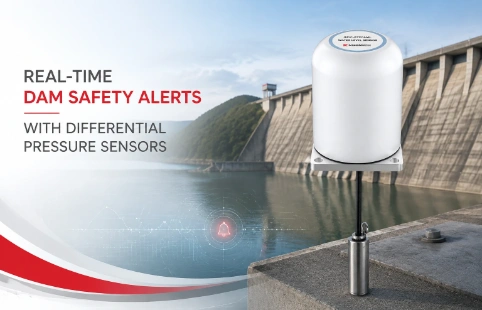
Real-Time Dam Safety Alerts with Differential Pressure Water Level Sensors
Key Takeaways An alert chain needs more than a sensor: define field in...

Portable Dynamic Signal Acquisition Readout Systems
Field monitoring rarely happens on a clean lab bench. Whether it's a bridge pier, a deep excavation, or a slope after heavy rain, you need a readout that travels well and won't quit halfway through the job. Kingmach builds portable dynamic signal acquisition readout units for exactly these situations. They’re designed to grab high-speed data from geotechnical sensors—think accelerometers, strain gauges, pressure transducers—without tying you to a rack of equipment. The focus is on getting clean, timed data out of noisy environments, with minimal setup time. Instead of generic data loggers, these are tuned for the dynamics you’d see in structural health, blast monitoring, or machinery diagnostics. And because every site has its quirks, we can adapt channel counts, sampling modes, and signal conditioning to match. No need to overbuy features you won’t use, or compromise on what matters.
Technical Detail
Kingmach's portable dynamic signal acquisition readout is a purpose-built front end for transient and vibration measurements, not a repurposed industrial logger. It handles multiple simultaneously sampled channels, each with independent signal conditioning that you can adjust per sensor type—IEPE accelerometers, full-bridge strain gauges, voltage-output transducers. The input ranges are wide enough to catch both subtle strains and strong shocks without clipping, and the anti-aliasing filters are designed to keep phase errors small, which matters if you're doing modal analysis or cross-channel comparisons later. In the field, little things make a difference. The chassis is ruggedized but still light enough for one person to carry. Terminals accept bare wires, so you’re not hunting for specific connectors. Power is from an internal battery pack or a vehicle supply, and data logs to onboard storage or streams to a laptop. There’s no loud touchscreen that drains power—just a simple status display and controls you can operate with gloves on. Kingmach builds these systems knowing that most users have a specific monitoring task in mind. As a geotechnical instrument manufacturer, we’ve seen the gap between lab-grade DAQ and field practicality. That’s why we keep the software straightforward: you can configure triggers, sample rates, and channel assignments quickly, then export to formats that your analysis software already reads. For projects that need to scale, multiple units can be synchronized. And if your sensors or channel count change over time, the hardware is built to be reconfigured, not replaced. Global support means you can get help with setup or troubleshooting when the clock is running, not after the job is done.
News
Key Takeaways An alert chain needs more than a sensor: define field in...
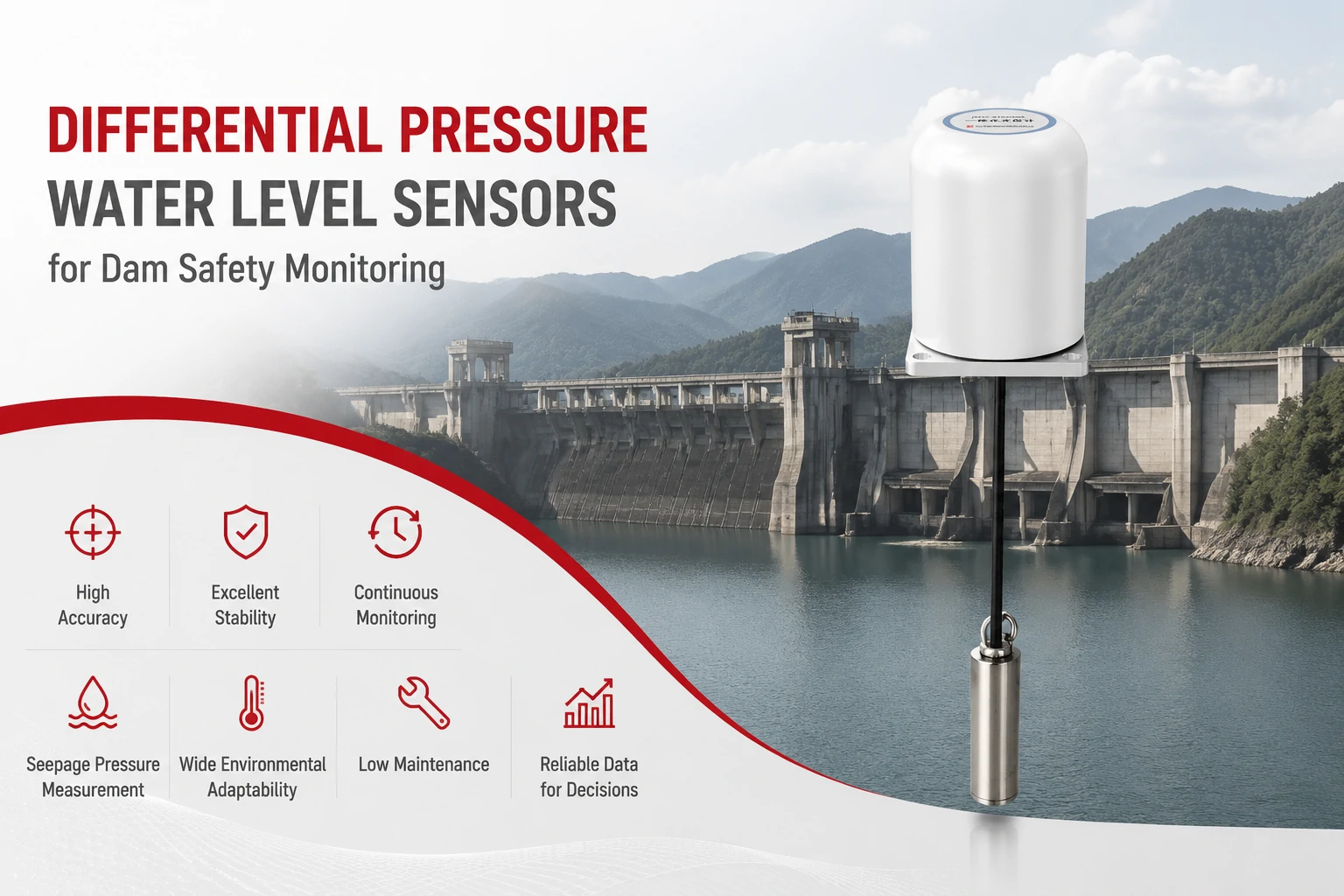
Key Takeaways The strongest fit is usually a confined, submerged, or s...
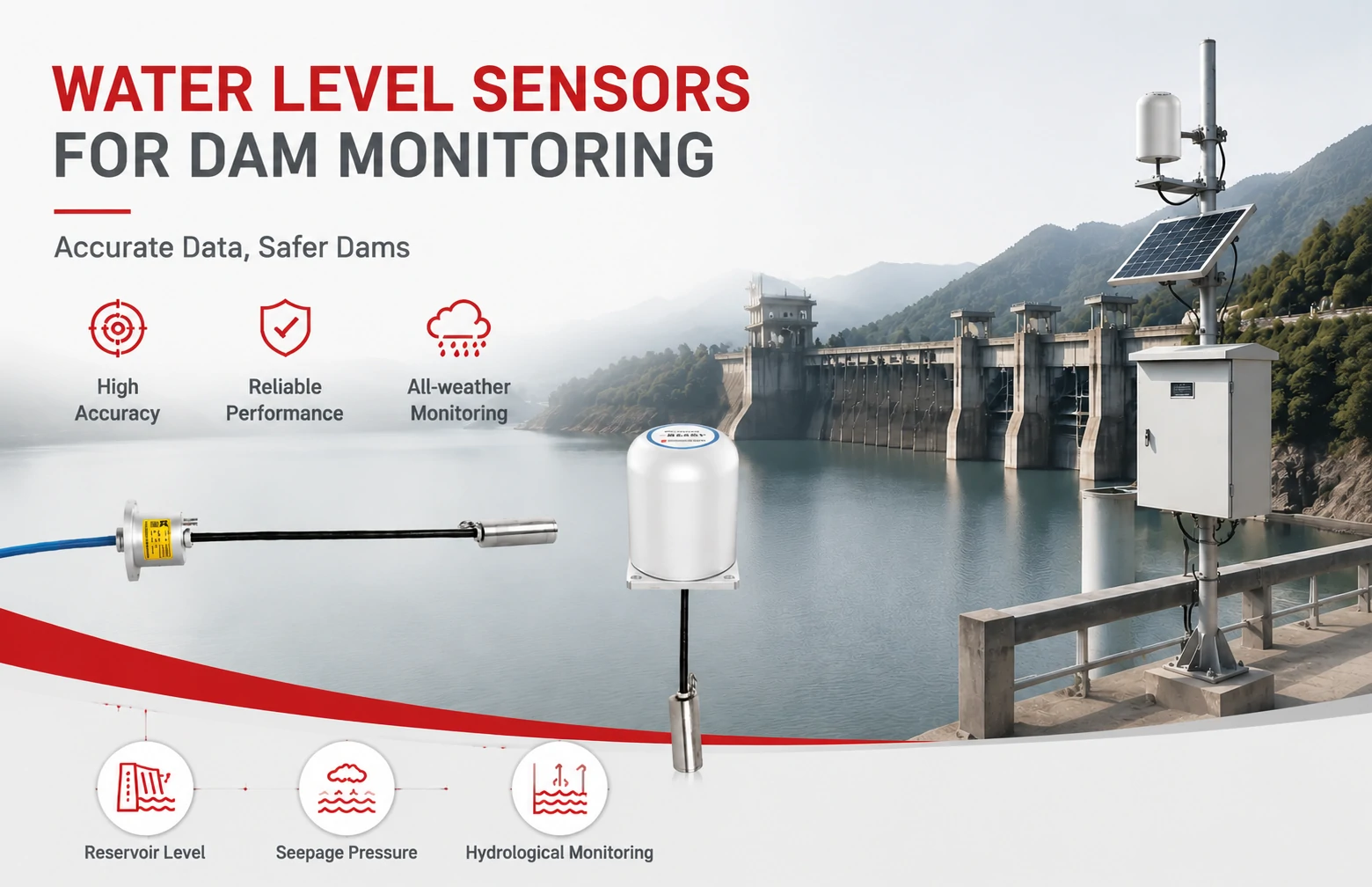
Kingmach Water Level Sensors for Dam Monitoring: A Buyer's Guide to Differential Pre...
Products
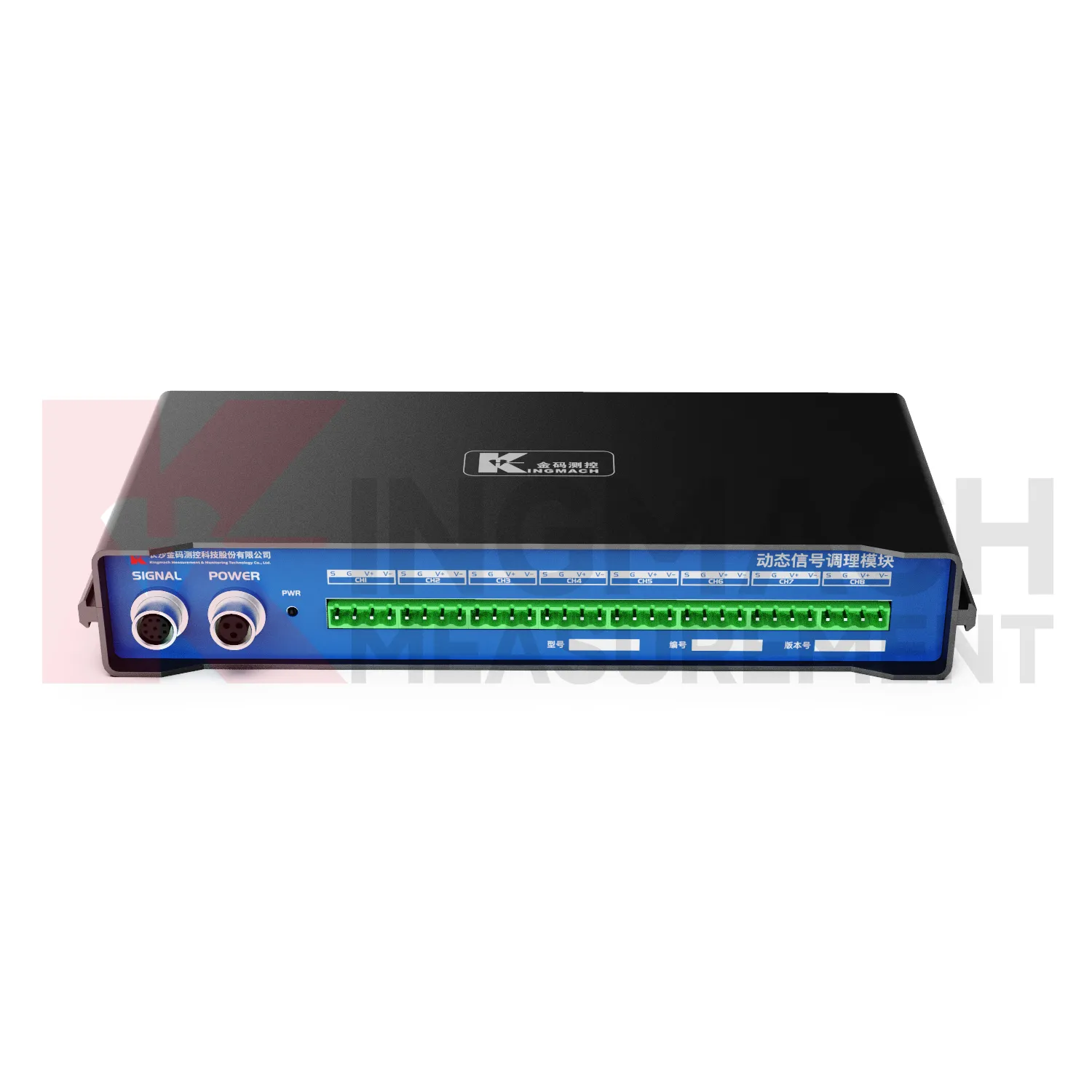
Dynamic signal conditioning moduleJMYD-2008XTA
View Details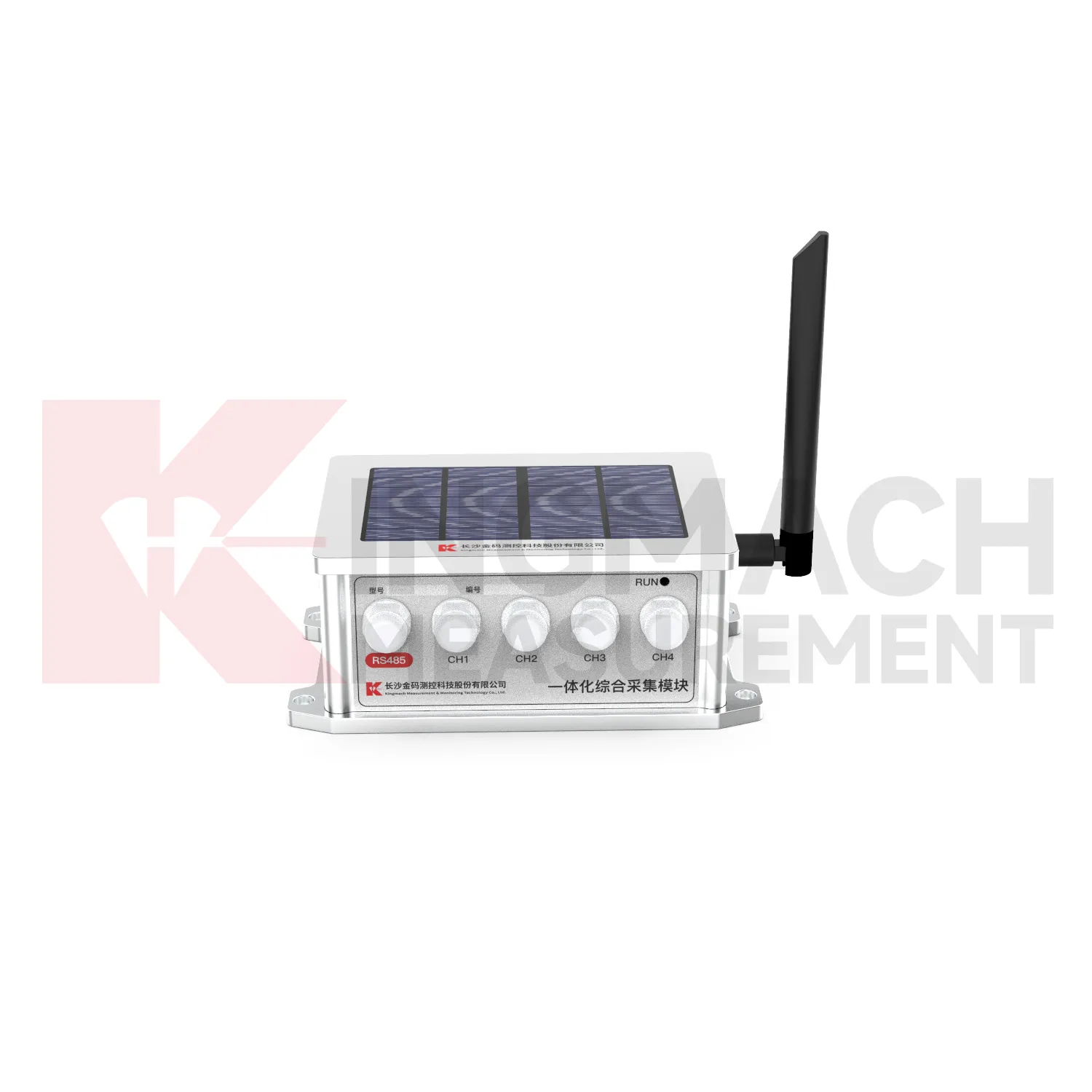
Integrated Comprehensive Acquisition Module JMZX-4/8GH-RTU
View Details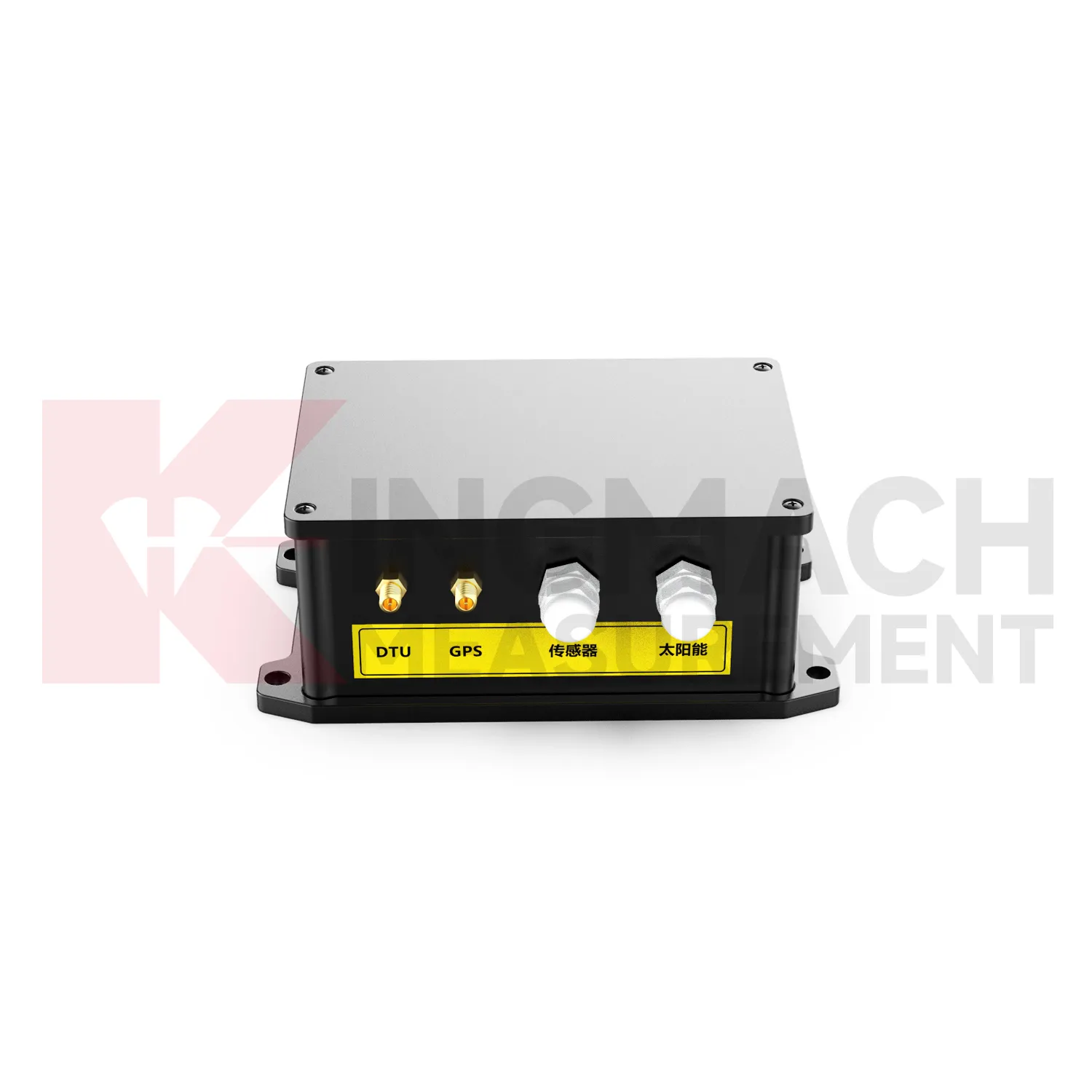
Wireless Data Logger (low power consumption design) JMWX-5RTU
View DetailsFAQ
The most common sensors are IEPE accelerometers for vibration, strain gauges for stress monitoring, and pressure transducers or geophones. Each channel has adjustable signal conditioning, so you can mix sensor types in the same setup. If a sensor has a non-standard output, we can often accommodate it with a custom input module.
Battery life depends on the number of channels and the sampling rate, but the unit is designed for a full working day in the field without needing a recharge. There’s also a low-power standby mode between measurements. For continuous monitoring, it can run off a vehicle battery or solar panel.
Yes, if you need it. The basic configuration stores data locally, but an optional 4G or Wi-Fi module allows remote monitoring and configuration. This is useful for sites that are hard to get to or when you want to check data without sending someone out.
The maximum rate per channel is typically in the tens of kilohertz range, which covers most civil engineering and mining applications. You can set different rates for different groups of channels if needed, and all channels sample simultaneously to avoid time skew.
Many models are built to be expandable. You can add channel modules or synchronize multiple units. Because Kingmach manufactures the instruments, we can often build an expansion without replacing the whole system, which saves cost over time.
Share your product type, target capacity, and application requirements. Our team can review the details and recommend a practical next step.
If you are interested in our products or want to become our partner.
Please leave your contact information, our team will contact you as soon as possible.
Mail: [email protected]
Contact Us: +8613808434127
Address: No. 188 Tongzipo West Rd, Changsha, Hunan, China