
 EN
EN
 ar
ar bg
bg hr
hr cs
cs da
da nl
nl fi
fi fr
fr de
de el
el hi
hi it
it ko
ko no
no pl
pl pt
pt ro
ro ru
ru es
es sv
sv tl
tl iw
iw id
id lv
lv lt
lt sr
sr sk
sk sl
sl uk
uk vi
vi et
et hu
hu th
th tr
tr fa
fa ms
ms hy
hy ka
ka ur
ur bn
bn mn
mn ta
ta kk
kk uz
uz ku
ku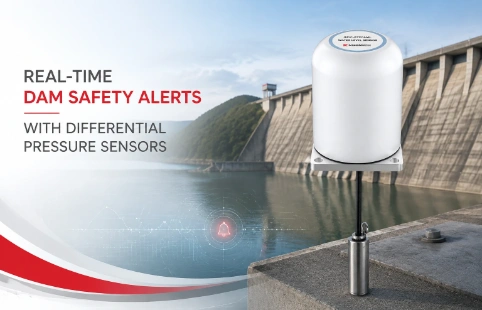
Real-Time Dam Safety Alerts with Differential Pressure Water Level Sensors
Key Takeaways An alert chain needs more than a sensor: define field in...

Displacement Sensors That Keep Critical Projects on Track
Engineers often walk a line between sensor stability and budget. Kingmach has been in geotechnical instrumentation long enough to know which specs actually matter on site. Our displacement sensors—covering vibrating wire, LVDT, and other principles—are built into hundreds of tunnels, dams, and deep excavations. They won’t win a spec-sheet war, but they rarely cause headaches after installation. Most come with a two-year warranty and direct access to an engineer who understands your application, not just a script.
Technical Detail
A displacement sensor is only as good as its survival rate in the field. We’ve seen instruments fail because a data sheet number looked impressive in the lab but didn’t hold up under temperature swings or high humidity. Kingmach starts with proven transducer elements and pairs them with housing materials—stainless steel, anodized aluminum, or engineered polymers—chosen for the actual environment. Typical units offer resolutions down to 0.01 mm and linearity within ±0.1% of full scale, with standard ranges from 10 mm to 500 mm. Analog output options include 4–20 mA, 0–5 V, and vibrating wire frequency, so they integrate easily with most data loggers. Protection ratings up to IP68 mean they can handle long-term submersion or pressure washing on a dam face. Because we manufacture in-house, we can adjust mounting threads, cable lengths, and anchor types without long delays. Our network has supplied monitoring programs in over 40 countries, and every shipment includes calibration certificates traceable to national standards. If something does go wrong, you’re not stuck with a ticketing portal—you’ll talk to the same technical team that assembled your sensors.
News
Key Takeaways An alert chain needs more than a sensor: define field in...
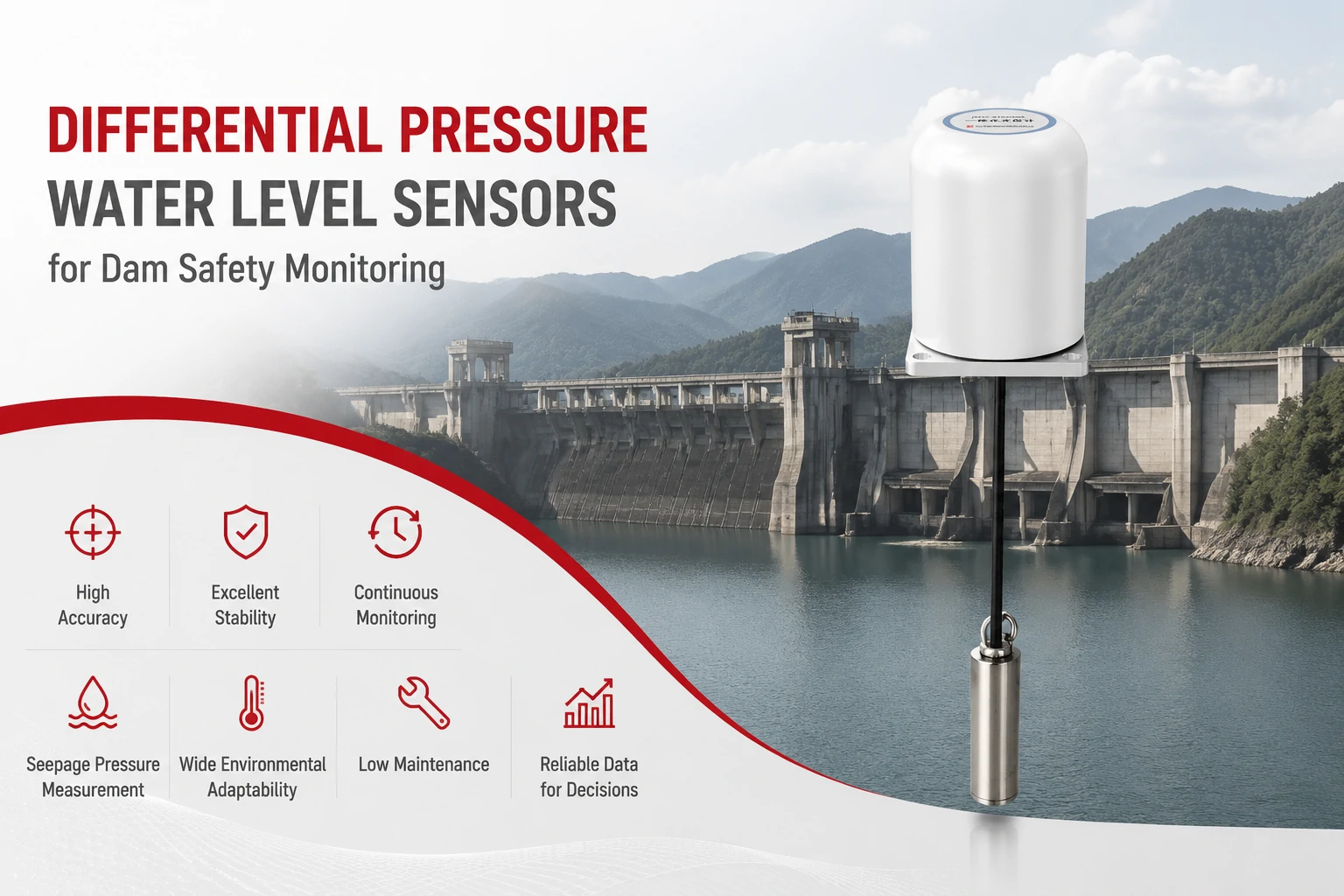
Key Takeaways The strongest fit is usually a confined, submerged, or s...
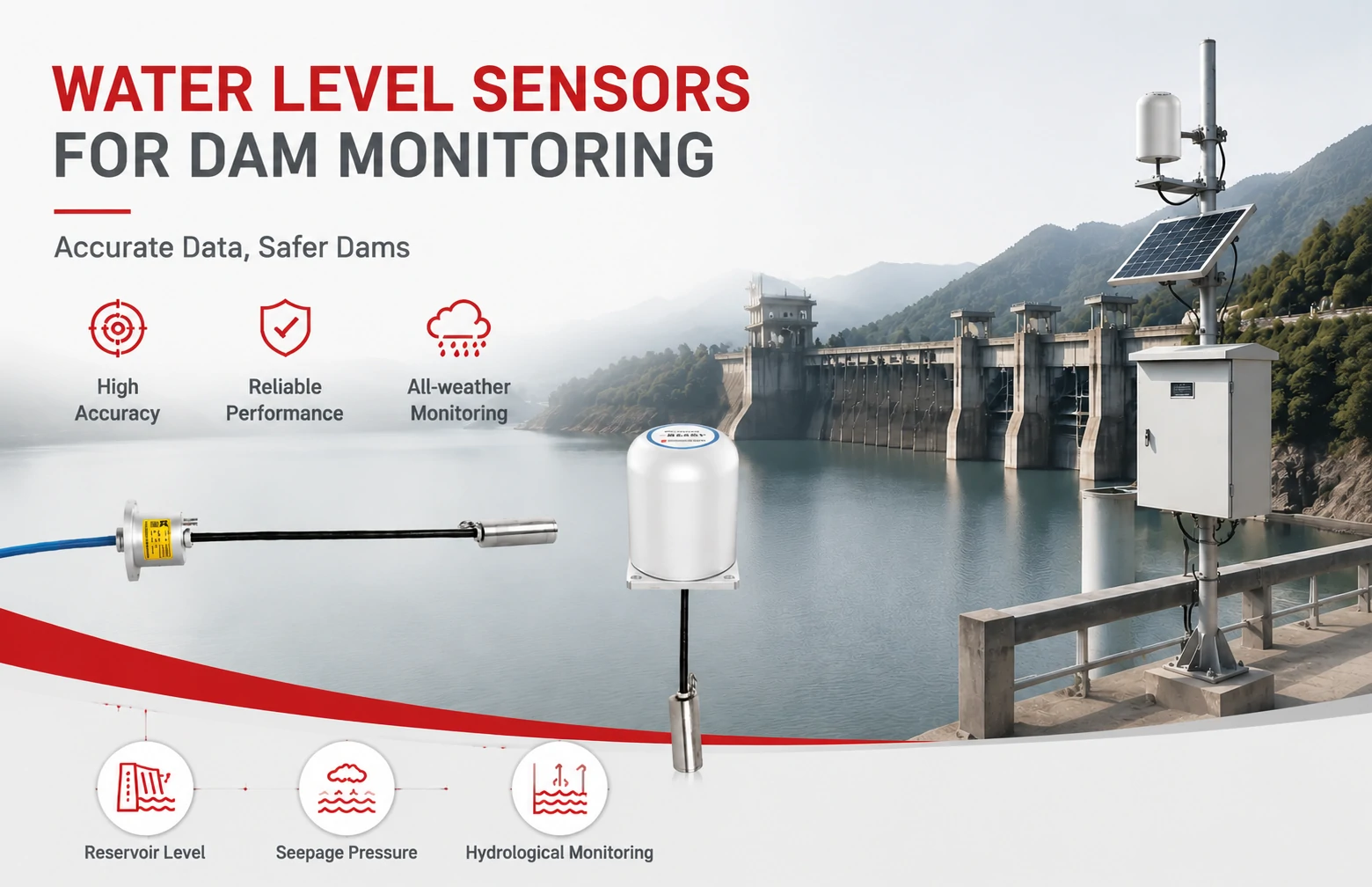
Kingmach Water Level Sensors for Dam Monitoring: A Buyer's Guide to Differential Pre...
Products
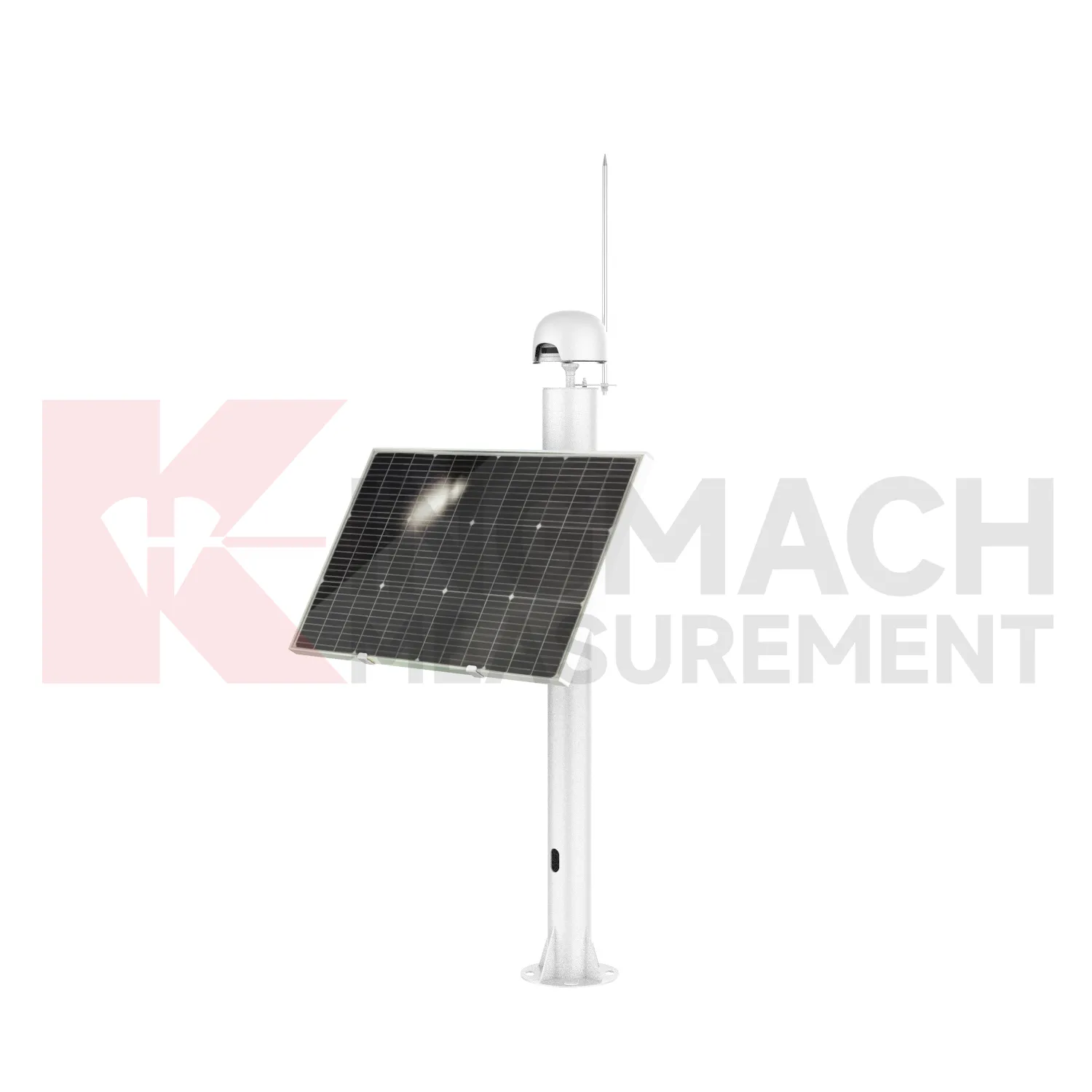
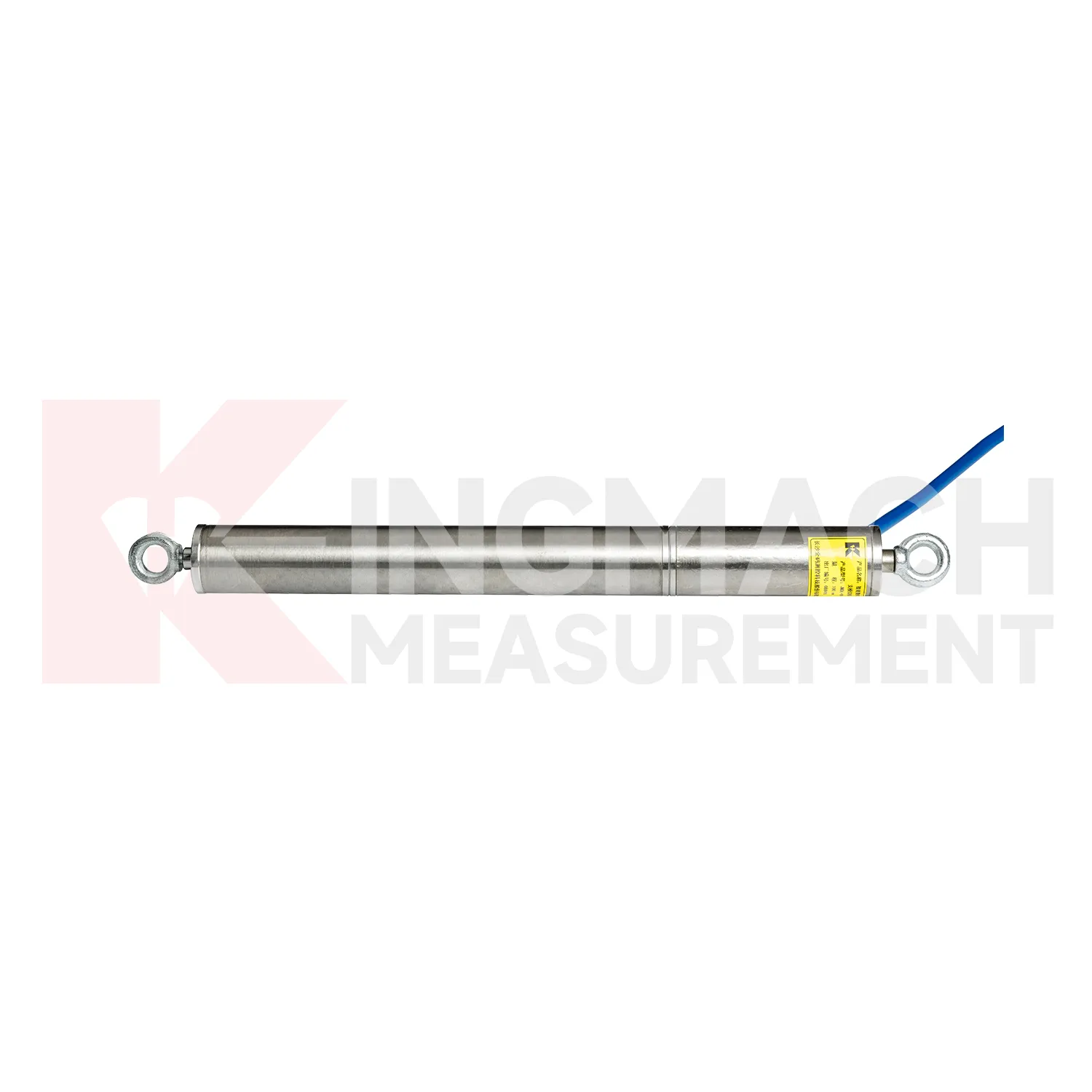
Smart Formwork Displacement Meter/ Steel Wire Displacement Meter JMDL-49XXAT
View Details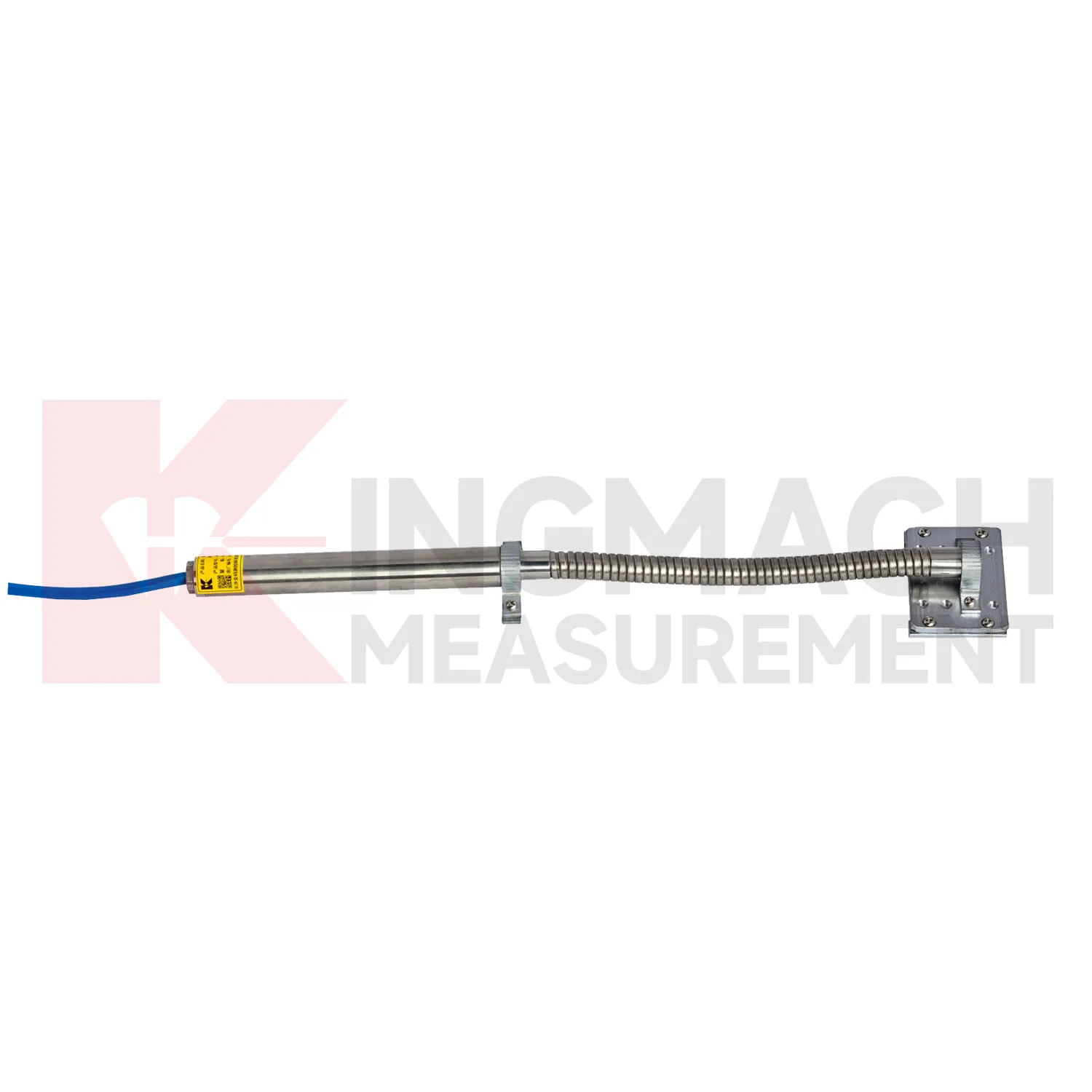
Smart Flexible Displacement Meter JMDL-24XXAT
View DetailsFAQ
Yes, many of our units carry an IP68 seal that handles continuous submersion. We’ve had vibrating wire crackmeters working inside stilling basins for five years without drift, but we always recommend checking cable entry points during installation.
Vibrating wire sensors tend to be more stable over years and immune to electrical noise, so they’re common in dams and long-term structural monitoring. LVDTs are better when you need fast dynamic readings, like on a shake table. We stock both and can advise based on your data acquisition setup.
We don’t enforce a hard MOQ for standard catalog items—you can order a single unit for a pilot project. Custom ranges are definitely possible; we’ll just need a few extra days to recalibrate and provide fresh certification.
Our engineers are available by video call or email to walk through wiring diagrams, logger settings, and even installation tips. We can also review your mounting design before you fabricate brackets—it saves everyone time if we spot a potential issue early.
Share your product type, target capacity, and application requirements. Our team can review the details and recommend a practical next step.
If you are interested in our products or want to become our partner.
Please leave your contact information, our team will contact you as soon as possible.
Mail: [email protected]
Contact Us: +8613808434127
Address: No. 188 Tongzipo West Rd, Changsha, Hunan, China