
 EN
EN
 ar
ar bg
bg hr
hr cs
cs da
da nl
nl fi
fi fr
fr de
de el
el hi
hi it
it ko
ko no
no pl
pl pt
pt ro
ro ru
ru es
es sv
sv tl
tl iw
iw id
id lv
lv lt
lt sr
sr sk
sk sl
sl uk
uk vi
vi et
et hu
hu th
th tr
tr fa
fa ms
ms hy
hy ka
ka ur
ur bn
bn mn
mn ta
ta kk
kk uz
uz ku
ku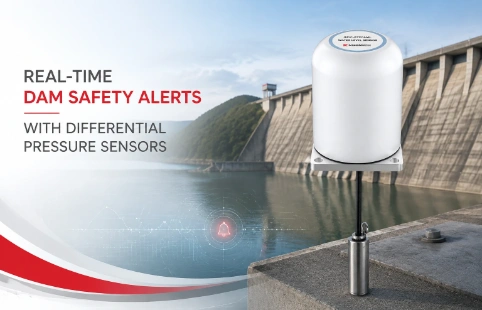
Real-Time Dam Safety Alerts with Differential Pressure Water Level Sensors
Key Takeaways An alert chain needs more than a sensor: define field in...

Mechanical Inclinometers for Geotechnical Monitoring
When a project calls for straightforward, repeatable tilt measurement, many engineers still reach for a mechanical inclinometer. The principle is simple—a probe travels inside a grooved casing, and angular deflection is read directly from a dial or scale. No batteries, no data loggers. Kingmach supplies these instruments to monitoring teams who want a tool they can trust in remote sites or as a backup to automated systems. Our range covers standard and custom casing sizes, probe lengths, and readout units. From landslide early warning to retaining wall checks, a mechanical inclinometer often fits where budget and simplicity matter. We also offer installation accessories, spares, and on-call technical guidance to help keep your monitoring program running without fuss.
Technical Detail
A mechanical inclinometer measures subsurface lateral displacement by moving a probe through a specially installed casing that deforms with the surrounding ground. Kingmach’s version uses a sealed, stainless steel probe body with spring-loaded wheels that track the casing grooves precisely. The angle is displayed on a portable readout via a graduated dial or digital indicator, depending on the model, and readings are typically taken manually at fixed depth intervals. This method is well suited for monitoring slow-moving slopes, excavation sidewalls, dam abutments, and tunnel convergence, where long-term trends matter more than real-time alerts. Our manufacturing line covers multiple gauge lengths and wheelbases to match different casing diameters—70mm, 85mm, and others on request. The probe and cable are built to handle the knocks of field use, and the readout unit is designed for easy operation by a single technician. Because the system is passive, it avoids electromagnetic interference and performs reliably in wet or corrosive environments with minimal maintenance. Kingmach ships pre-assembled kits that include the probe, cable, reel, and calibration certificate, along with a user manual that walks through the measurement procedure. We also keep stock of spare parts like O-rings, cable connectors, and wheel assemblies so downtime stays short. For projects with unusual layout or access constraints, our engineers can adjust probe dimensions or provide special casing adapters. With a global network of distributors and a service team that answers technical queries within one business day, we aim to make procurement and after-sales support as practical as the instrument itself.
News
Key Takeaways An alert chain needs more than a sensor: define field in...
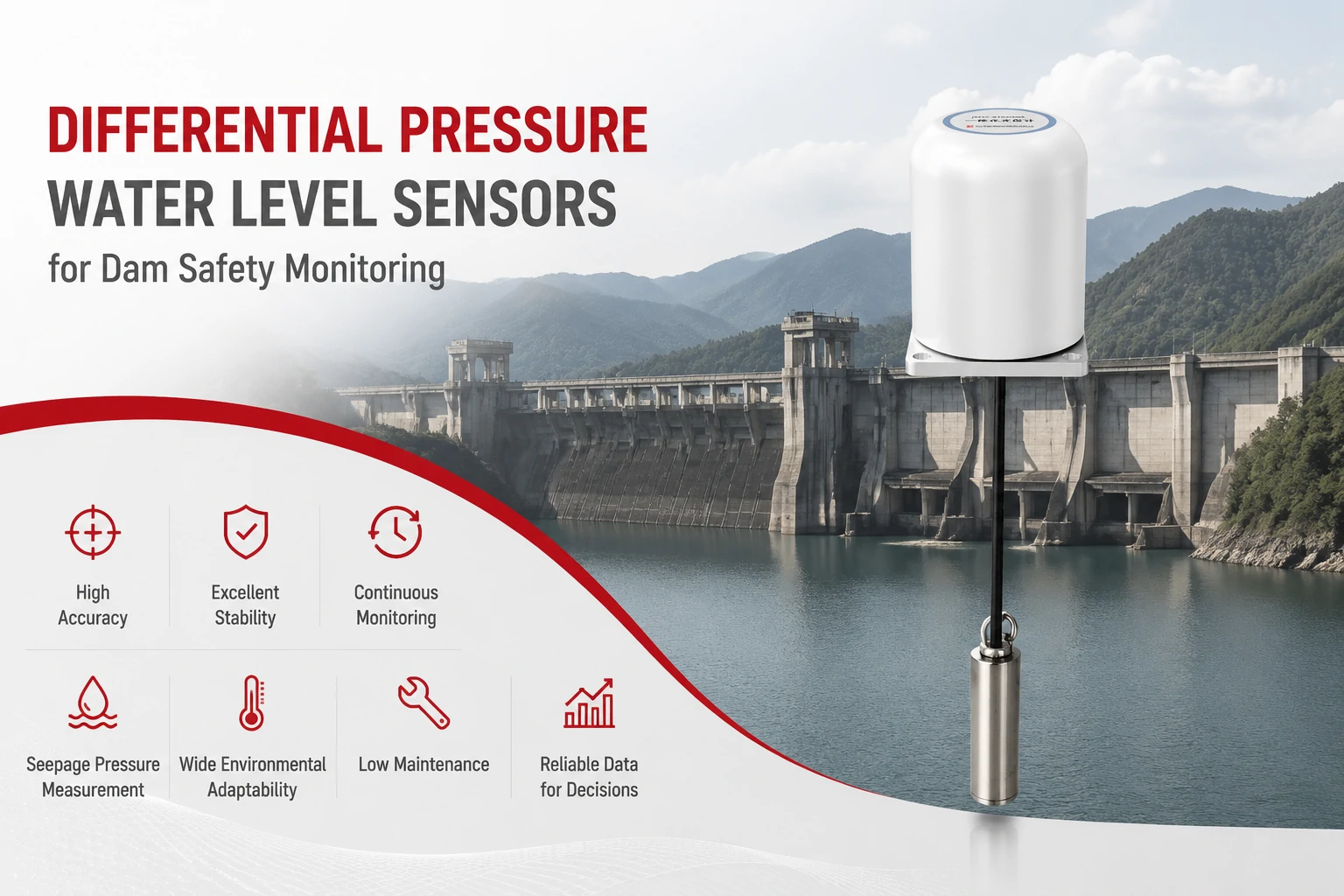
Key Takeaways The strongest fit is usually a confined, submerged, or s...
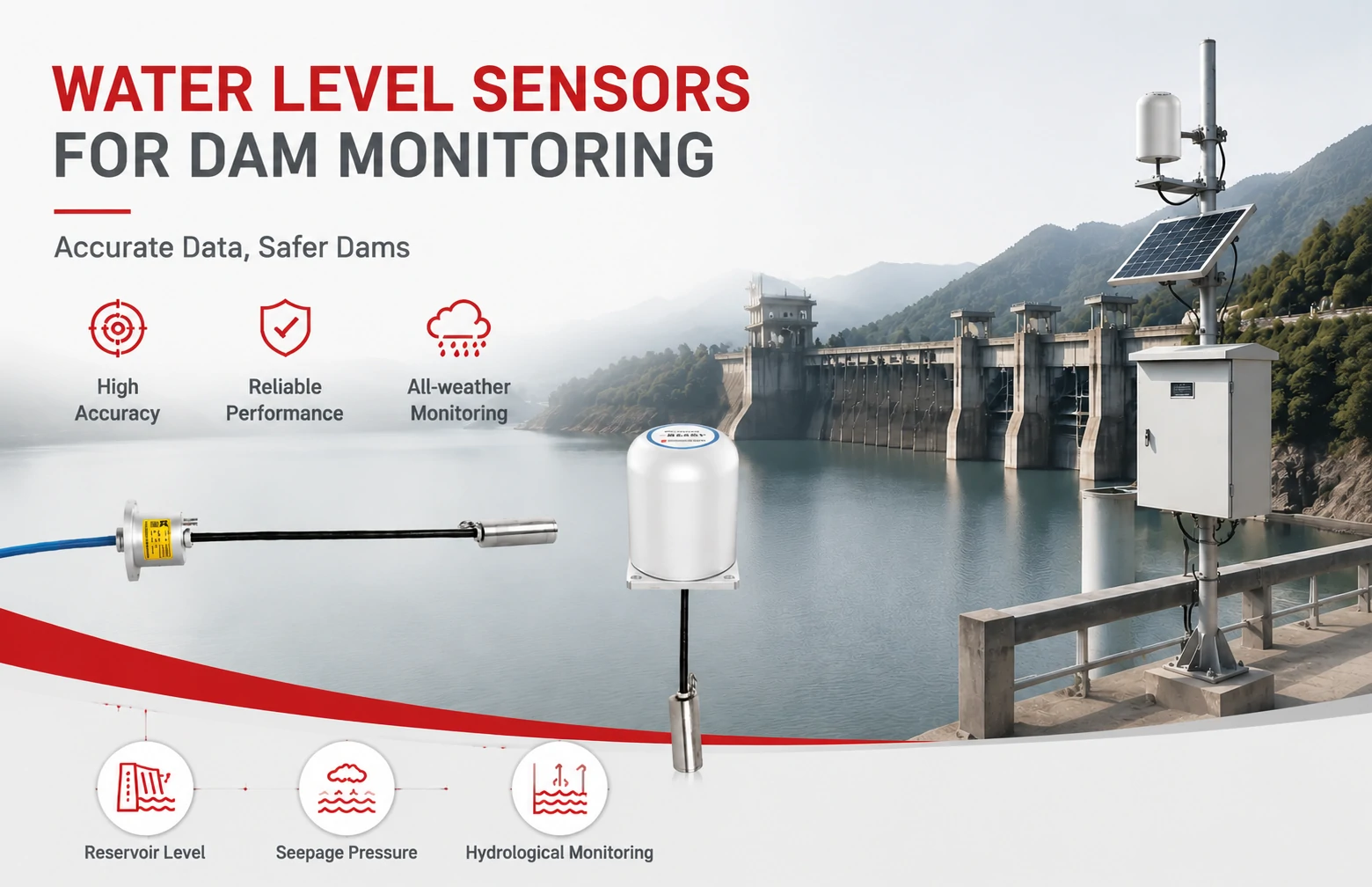
Kingmach Water Level Sensors for Dam Monitoring: A Buyer's Guide to Differential Pre...
Products
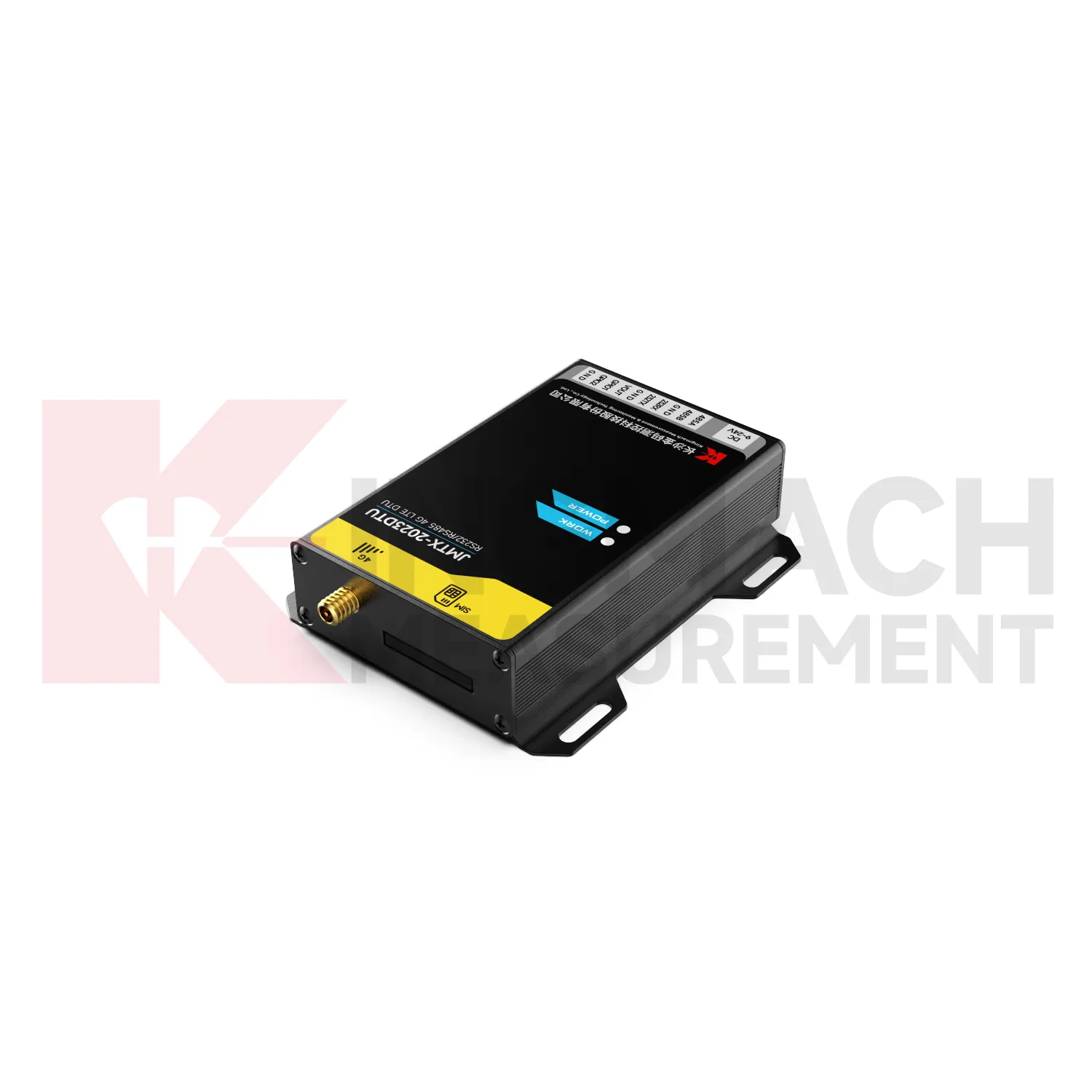
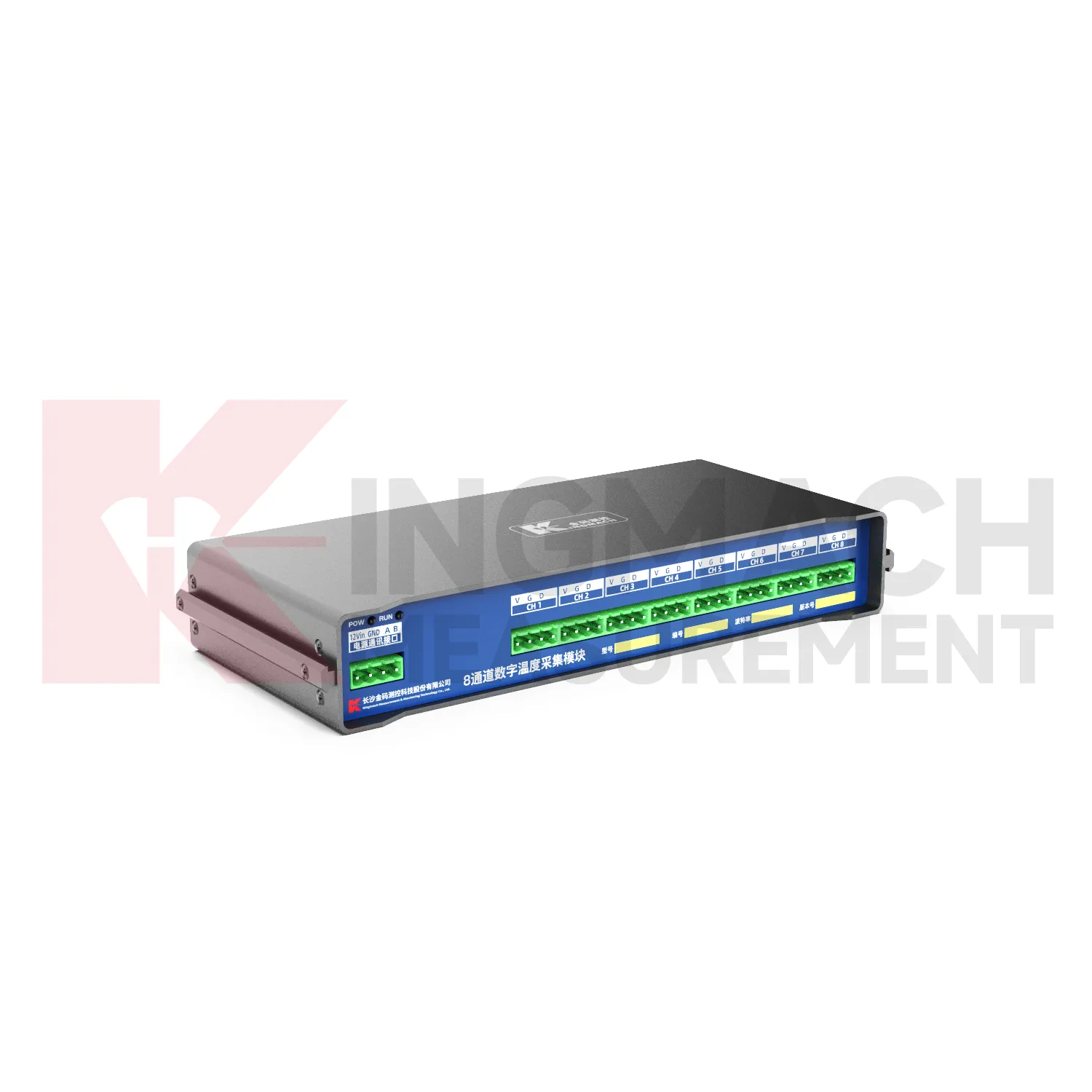
8-Channel Digital Temperature Acquisition ModuleJMWT-8DTH
View Details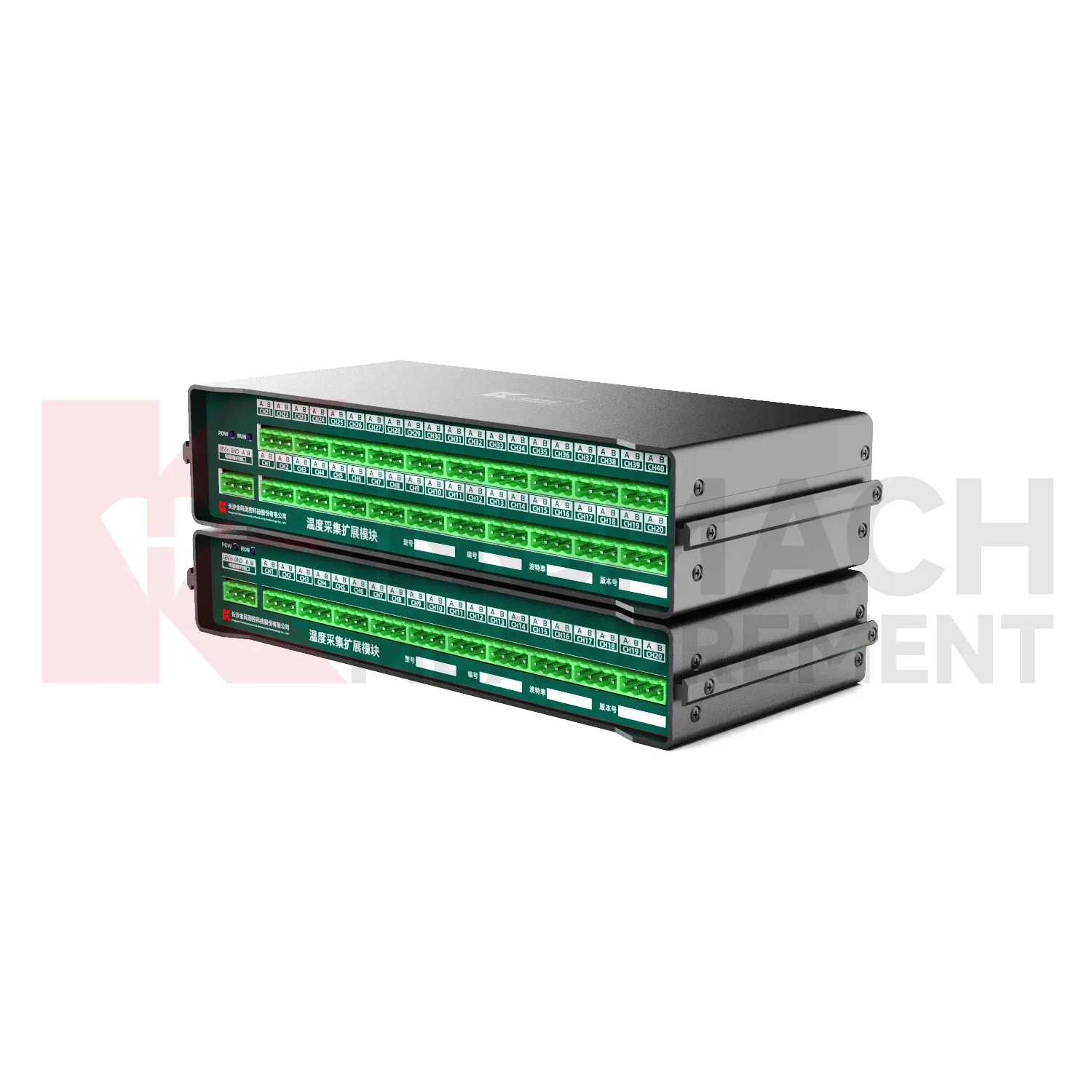
Temperature Acquisition Expansion Module JMWT-XXRTH
View DetailsFAQ
A mechanical inclinometer uses a pendulum or gravity-sensing mechanism with a dial gauge to read tilt manually. It requires no power supply or data logger, making it immune to electromagnetic noise and easy to deploy in remote areas. Digital MEMS probes offer higher resolution and automated data collection but come at a higher cost and depend on batteries and electronics. Many survey teams keep a mechanical unit as a reliable backup or for quick manual checks alongside their digital system.
Our standard probes are designed for 70mm and 85mm ABS inclinometer casings, which are the most common diameters in the industry. We can also manufacture probes for larger or smaller casing upon request. The wheel assemblies are adjustable within a certain range, and we provide matching centralizers if needed. Contact our sales team with your casing specification to confirm compatibility or discuss custom probe dimensions.
The operation is straightforward, but correct technique ensures repeatable data. We supply a detailed manual with each kit, and our technical support team can guide new users through the measurement procedure by phone or video call. For larger projects or training multiple staff, we offer on-site or remote training sessions. The key steps—zeroing the probe, reading at fixed depths, and recording the dial—can usually be mastered in a short session.
Yes. We stock commonly needed parts like O-ring seals, wheel assemblies, cable connectors, and reel handles. These can be ordered directly from us or through our distributors. We also offer optional durable transport cases to protect the probe and readout. For older models still in service, we can often supply compatible components or suggest replacement paths to extend the instrument’s working life.
We offer a standard one-year warranty against manufacturing defects. Beyond that, our service team handles calibration checks, repair assessments, and technical inquiries. We respond to emails and calls within one business day. For complex installations or troubleshooting, we can arrange a video call with an engineer to walk through the issue. While we don’t provide field installation as a standard service, we do recommend qualified local contractors when needed.
Share your product type, target capacity, and application requirements. Our team can review the details and recommend a practical next step.
If you are interested in our products or want to become our partner.
Please leave your contact information, our team will contact you as soon as possible.
Mail: [email protected]
Contact Us: +8613808434127
Address: No. 188 Tongzipo West Rd, Changsha, Hunan, China