
 EN
EN
 ar
ar bg
bg hr
hr cs
cs da
da nl
nl fi
fi fr
fr de
de el
el hi
hi it
it ko
ko no
no pl
pl pt
pt ro
ro ru
ru es
es sv
sv tl
tl iw
iw id
id lv
lv lt
lt sr
sr sk
sk sl
sl uk
uk vi
vi et
et hu
hu th
th tr
tr fa
fa ms
ms hy
hy ka
ka ur
ur bn
bn mn
mn ta
ta kk
kk uz
uz ku
ku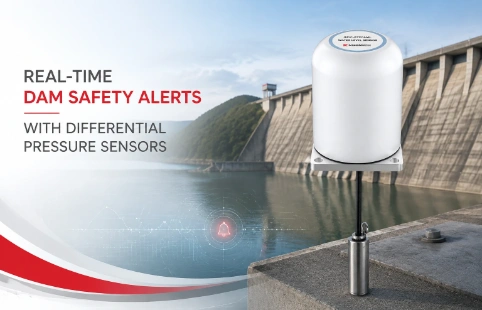
Real-Time Dam Safety Alerts with Differential Pressure Water Level Sensors
Key Takeaways An alert chain needs more than a sensor: define field in...

Remote Vibration Sensors That Work Where Wired Isn’t Practical
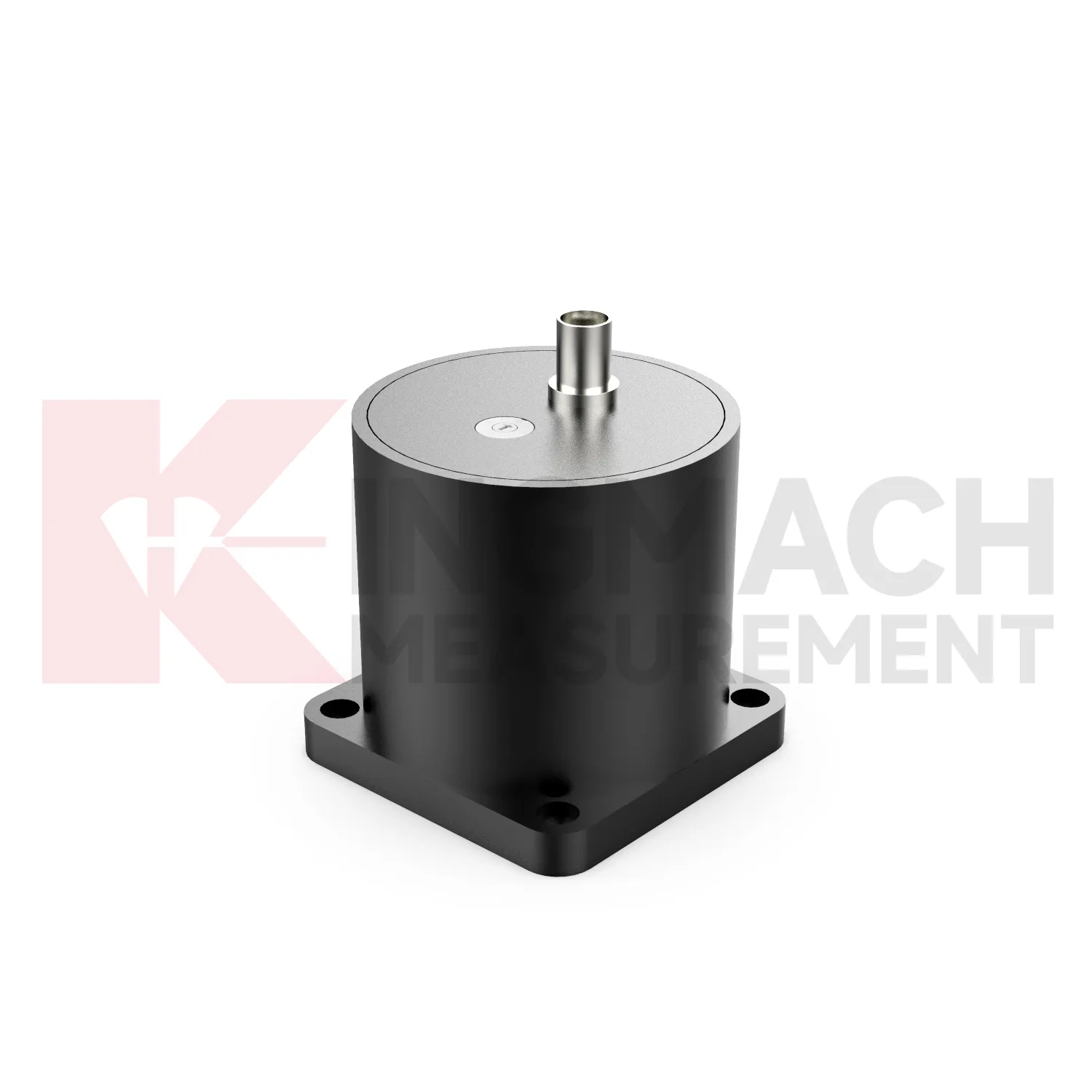
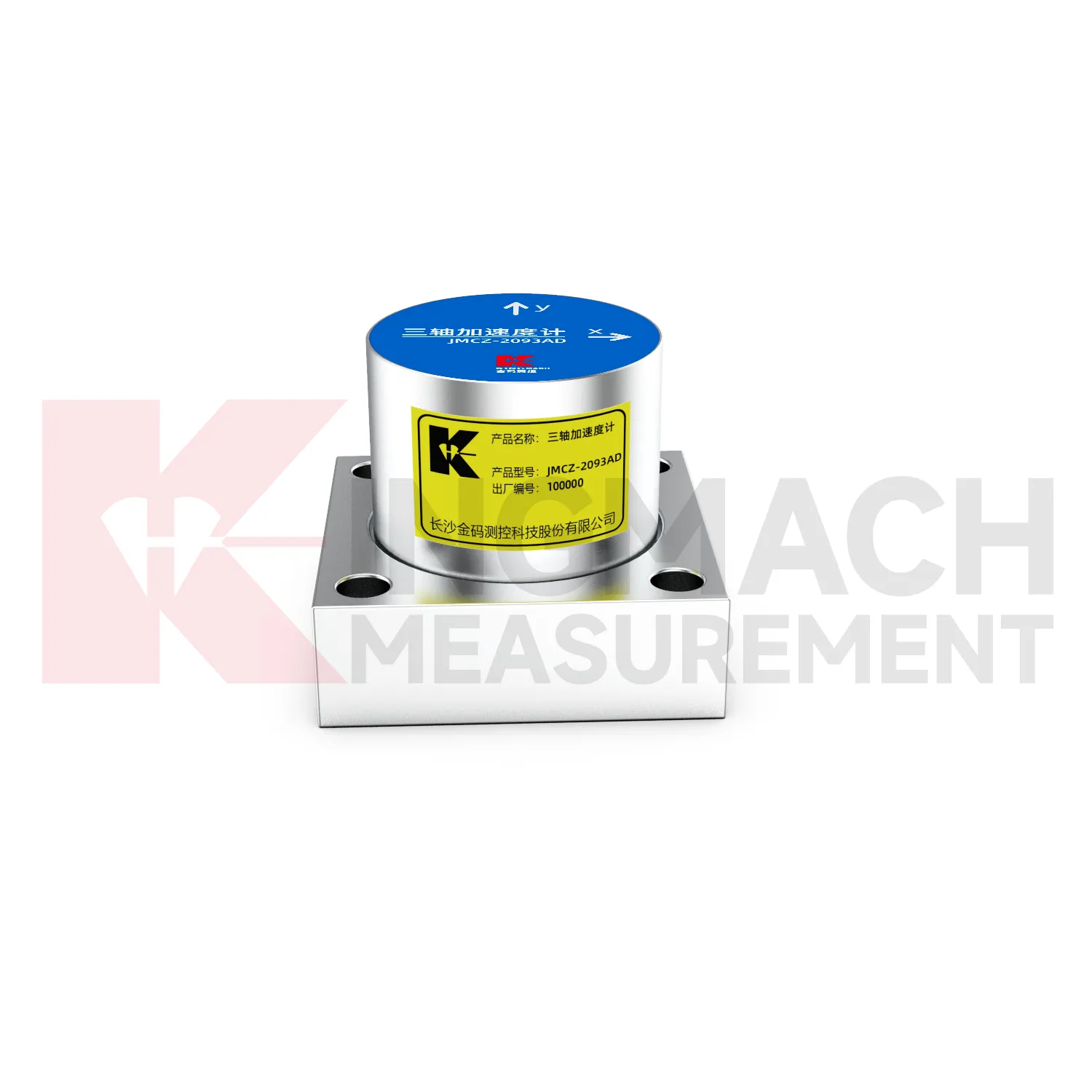
Most vibration monitoring projects hit a wall when cables become too expensive or simply impossible to install. That’s where a remote vibration sensor fills the gap. Instead of running signal lines across a plant or up a flare stack, you mount the sensor and it sends data over LoRa, Wi-Fi, or 4G to a central dashboard. Kingmach builds these units with industrial-grade MEMS accelerometers, sampling from 1.6 kHz up to 12.8 kHz, so you still catch early bearing faults even without a hardwired DAQ. Temperature and battery status ride along with each vibration reading, giving a complete picture without extra hardware. For balancing, alignment checks, or long-term trending, the sensor streams time waveform and FFT spectrum simultaneously, so you’re not locked into a single data type. Battery life typically covers 2-3 years for hourly readings under normal conditions, and the housing is IP67 – washing down with water or running in damp environments isn’t an issue.
Technical Detail
Kingmach remote vibration sensors are designed for people who maintain rotating machinery spread over large sites. You don’t need a vibration analyst on-site every day; the sensor sends ISO 10816 overall values and alarm flags directly to your maintenance platform. If a pump starts to degrade, you receive a notification with the machine name, not just a raw mV/g value. The sensor supports triaxial measurement in a single compact body, so one device covers horizontal, vertical, and axial directions without a mounting bracket maze. Data transmission can hop between nodes in a mesh network, which is useful in underground mining or tank farms where a direct line-of-sight gateway isn’t always possible. For integration, the units speak Modbus TCP, MQTT, or a straightforward HTTP API. Kingmach provides an open data format, so your SCADA or custom dashboard pulls vibration data without extra middleware. On the signal processing side, the sensor runs on-board high-pass filtering and envelope analysis, which helps isolate bearing defects from low-frequency machinery rumble. The band‑selectable demodulation can be tuned for slow‑speed equipment under 60 RPM, so you’re not stuck with a generic setup that misses faults on a conveyor tail pulley running at 30 RPM. If your project demands something outside standard specs, Kingmach can adjust range, bandwidth, or even the antenna design as an OEM customization.
News
Key Takeaways An alert chain needs more than a sensor: define field in...
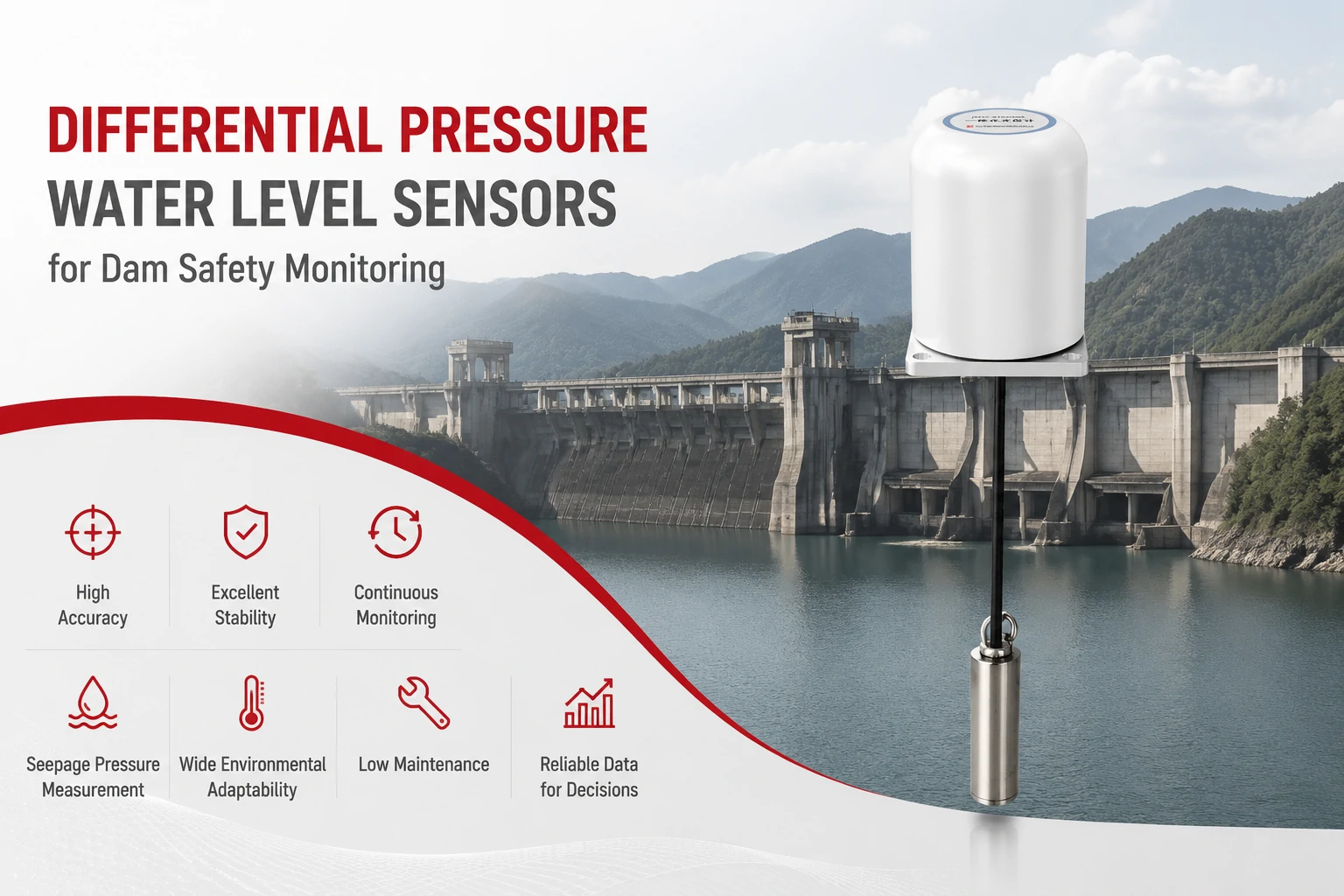
Key Takeaways The strongest fit is usually a confined, submerged, or s...
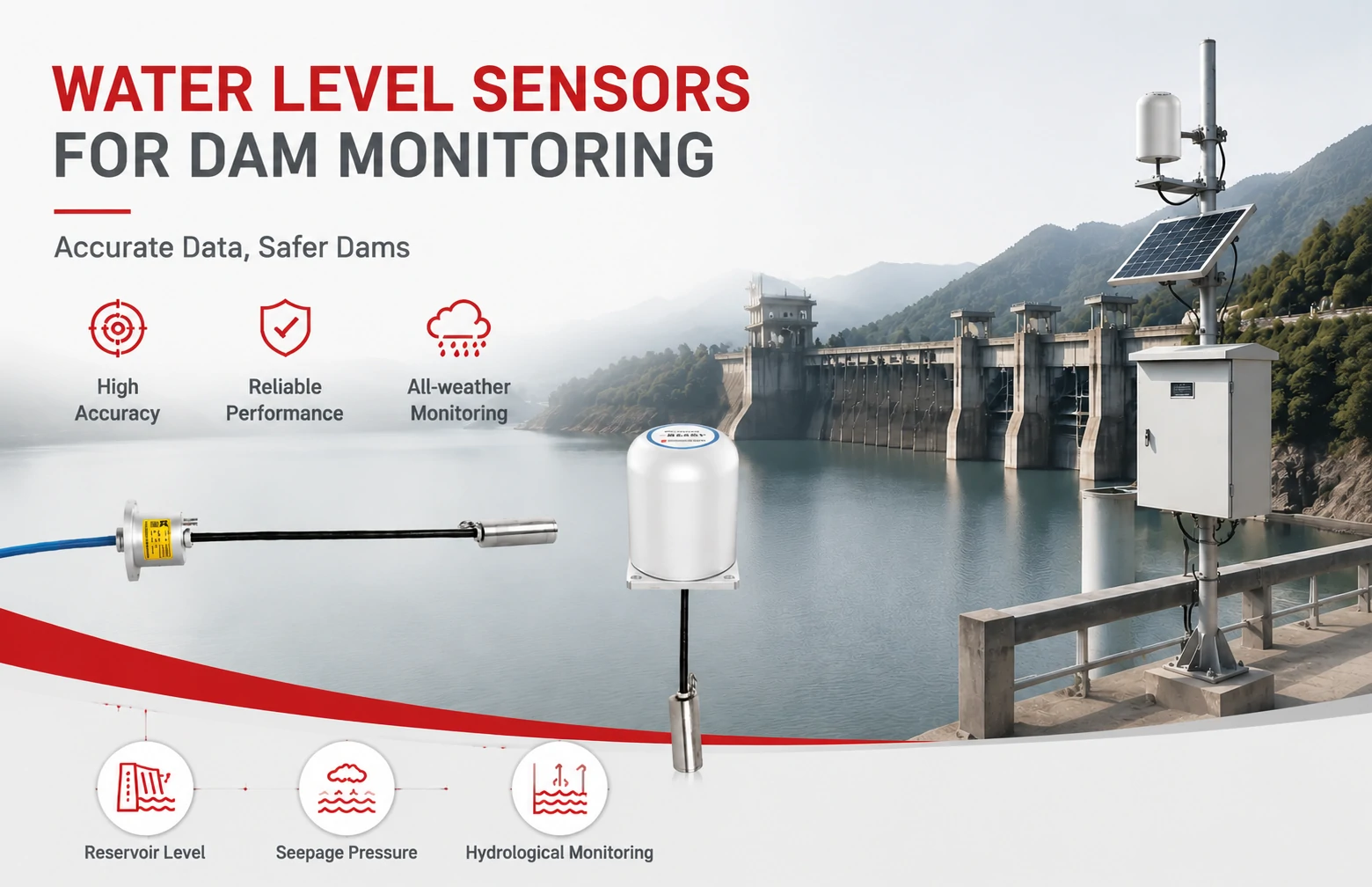
Kingmach Water Level Sensors for Dam Monitoring: A Buyer's Guide to Differential Pre...
Products
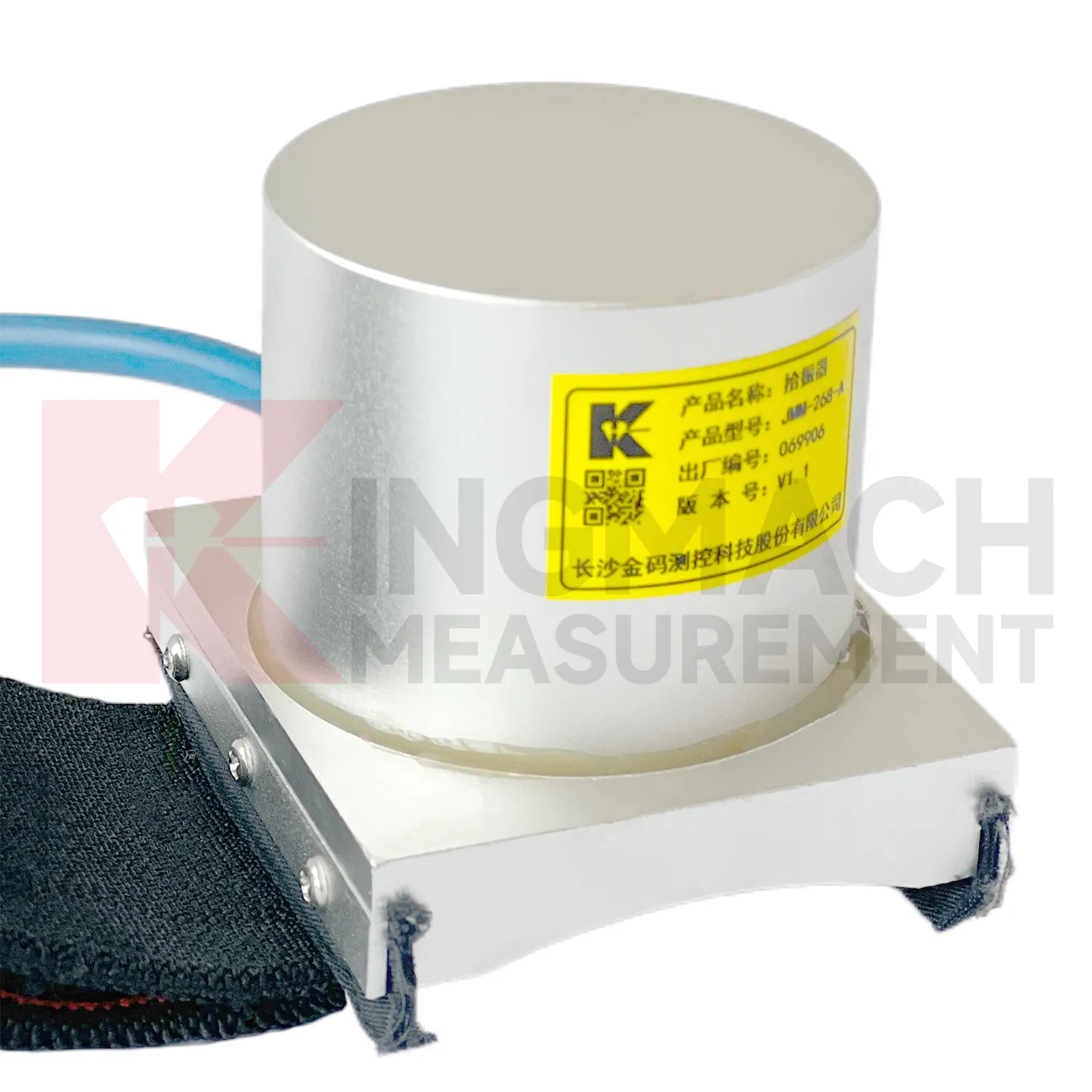
FAQ
With LoRa at 868 MHz or 915 MHz, we usually see 300–500 meters indoors through typical metal-and-concrete structures. Adding a repeater node extends that further. A site survey beforehand helps, and Kingmach can supply a test kit to map coverage before you buy the full set.
They can cut the routes down significantly. Instead of manually collecting on 200 points every 30 days, you let the remote sensors cover the critical machines and use a portable analyzer for the rest. The data stream is continuous, so you catch intermittent faults that a monthly walk would miss.
The sensor runs on 3.6V lithium thionyl chloride batteries, with a solar panel option if you need faster reporting. On a kiln, you’d typically install a charging station at the stationary end and use a slip ring, but we have also done battery-only setups that last two years with hourly sampling – the sensor sleeps between transmissions.
PLC modules usually give you a single overall RMS value and a 4-20 mA loop. Our sensor sends spectrum data, waveform, and demodulation bands, so you can actually diagnose the fault remotely instead of just seeing that vibration increased. That means less guesswork when planning a shutdown.
Not GPS-level synchronous, but all sensors in a mesh cluster timestamp data within 5 ms of each other using NTP over the gateway. That’s close enough for operating deflection shape animations on structures like pipe racks or bridge girders. If you need tighter sync, we can add a PTP option on request.
Share your product type, target capacity, and application requirements. Our team can review the details and recommend a practical next step.
If you are interested in our products or want to become our partner.
Please leave your contact information, our team will contact you as soon as possible.
Mail: [email protected]
Contact Us: +8613808434127
Address: No. 188 Tongzipo West Rd, Changsha, Hunan, China