
 EN
EN
 ar
ar bg
bg hr
hr cs
cs da
da nl
nl fi
fi fr
fr de
de el
el hi
hi it
it ko
ko no
no pl
pl pt
pt ro
ro ru
ru es
es sv
sv tl
tl iw
iw id
id lv
lv lt
lt sr
sr sk
sk sl
sl uk
uk vi
vi et
et hu
hu th
th tr
tr fa
fa ms
ms hy
hy ka
ka ur
ur bn
bn mn
mn ta
ta kk
kk uz
uz ku
ku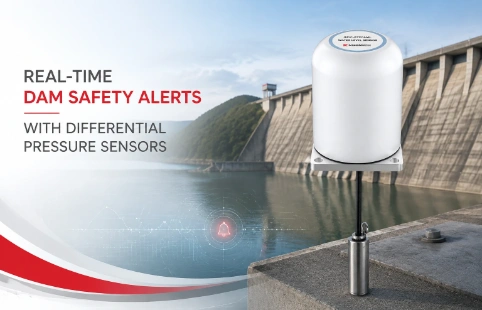
Real-Time Dam Safety Alerts with Differential Pressure Water Level Sensors
Key Takeaways An alert chain needs more than a sensor: define field in...

Resistive Temperature Sensors Tailored for Geotechnical Use
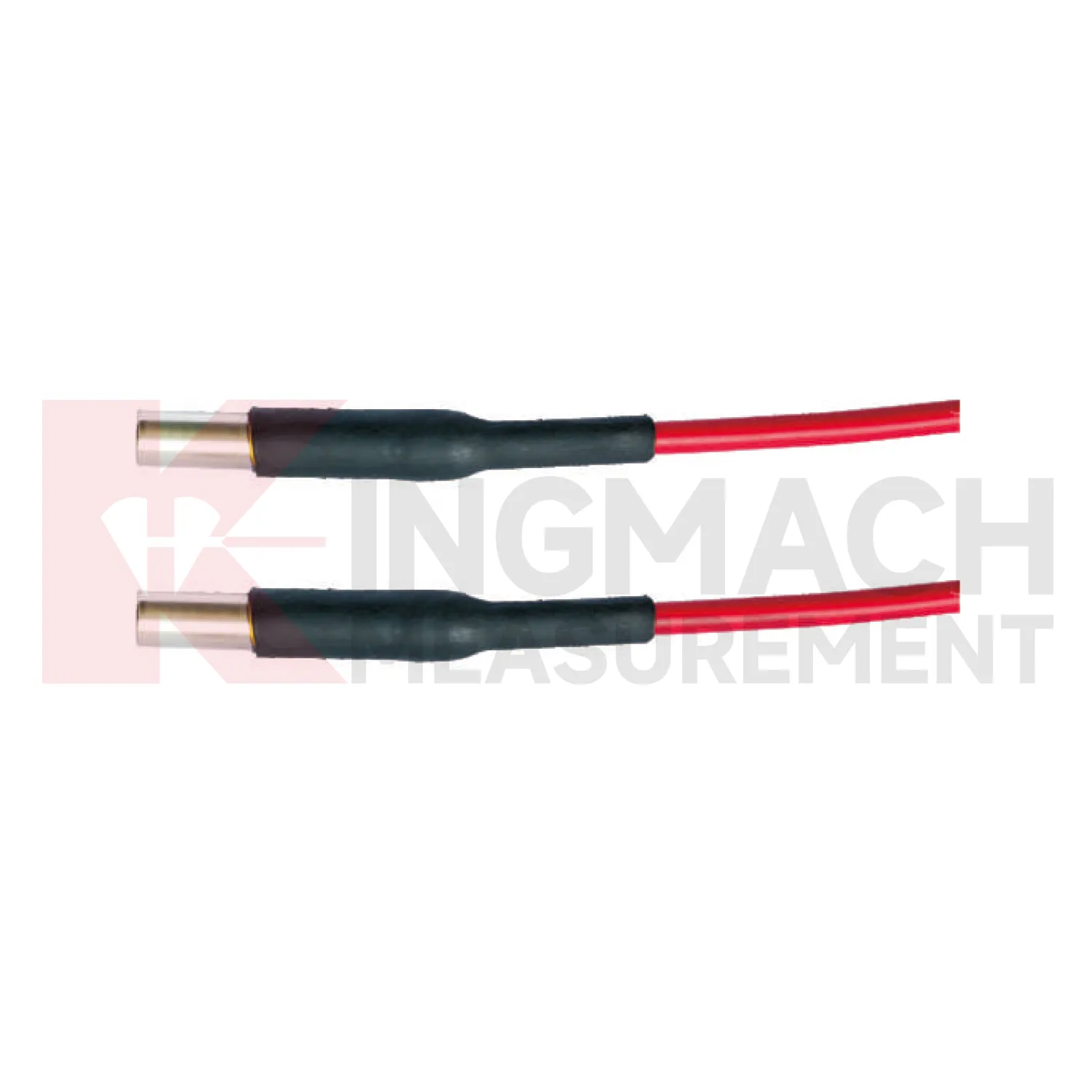
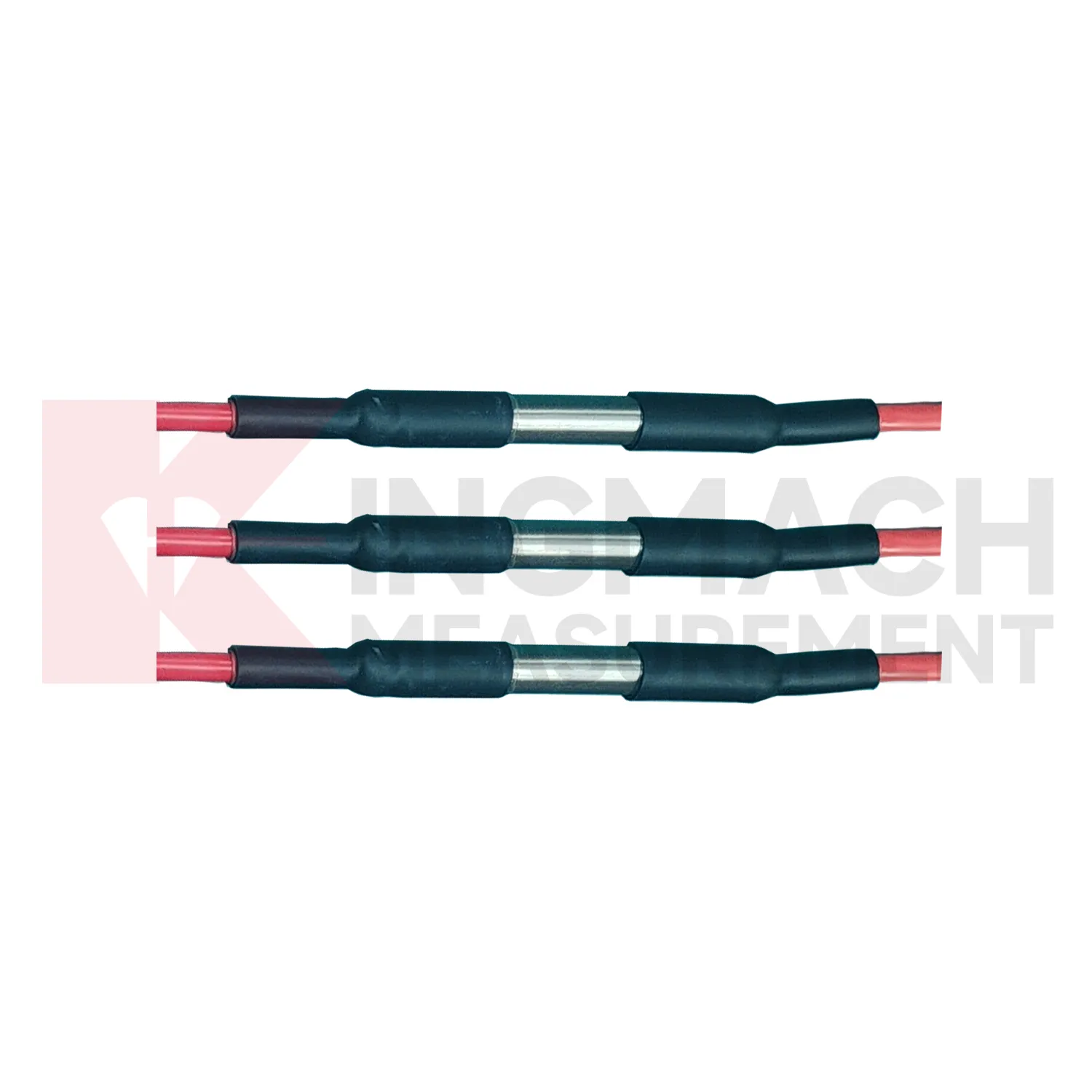
In geotechnical and structural monitoring, temperature data is a basic parameter for correcting other sensor readings, and is also a direct indicator for scenarios such as concrete curing and frozen soil research. Resistive temperature sensors (usually platinum resistors such as PT100) are the first choice for this type of application because of their high accuracy and long-term stability. Unlike thermocouples, they do not require cold junction compensation, their output is more linear, and they are suitable for long-distance transmission. Kingmach understands that on-site conditions are often not ideal: moisture, dust, cables are often pulled. The resistive temperature sensors we offer are designed with these factors in mind - rugged packaging, a wide range of insertion depths and connection options. What you need in your project is not "a sensor," but a component that will give stable readings over several years, be easily interchangeable, and reduce calibration hassles. That's why we not only stock standard models, but we can also customize them to meet your drill size, cable length, or special labeling requirements. Whether you are laying out dozens of points for a dam or doing temperature monitoring for a single building, we can usually provide a solution within a week.
Technical Detail
In actual on-site monitoring, resistive temperature sensors (RTDs) often replace thermocouples because of their excellent long-term stability and interchangeability. The RTDs provided by Kingmach are usually based on PT100 or PT1000 temperature sensing elements, encapsulated in 316L stainless steel protective tubes, and sealed with epoxy resin or heat shrink tubing to ensure reliable operation in moisture-saturated boreholes or inside concrete. The measurement range generally covers -50℃ to 150℃, and it can be customized if a wider range is required. In terms of accuracy, we usually offer grade A or grade B to match different budgets and performance needs. The most common uses of this type of sensor in the hands of our customers include: seepage temperature monitoring in dams and embankments - determining the location of leaks through temperature gradients; temperature distribution measurement in frozen soil and roadbeds; and temperature control during large-volume concrete pouring. Because reading the temperature requires a secondary instrument, we can also provide a transmitter with a 4-20mA or Modbus RTU output to allow the data to be uploaded directly to your automation system. For projects with specific installation requirements, almost every parameter can be adjusted: the probe length ranges from a few centimeters to several meters, the diameter is from 3mm to 8mm, the leads can be made of PVC, PTFE or silicone, and the connectors can be bare wires, junction boxes or M12 aviation plugs. Ice water bath calibration will be done before delivery and test records will be attached. Our customer network covers more than 20 countries, and local partners can provide timely on-site support. If the standard products don't meet your idea, you may as well send us your requirements - we can deliver samples within two weeks for most customized solutions.
News
Key Takeaways An alert chain needs more than a sensor: define field in...
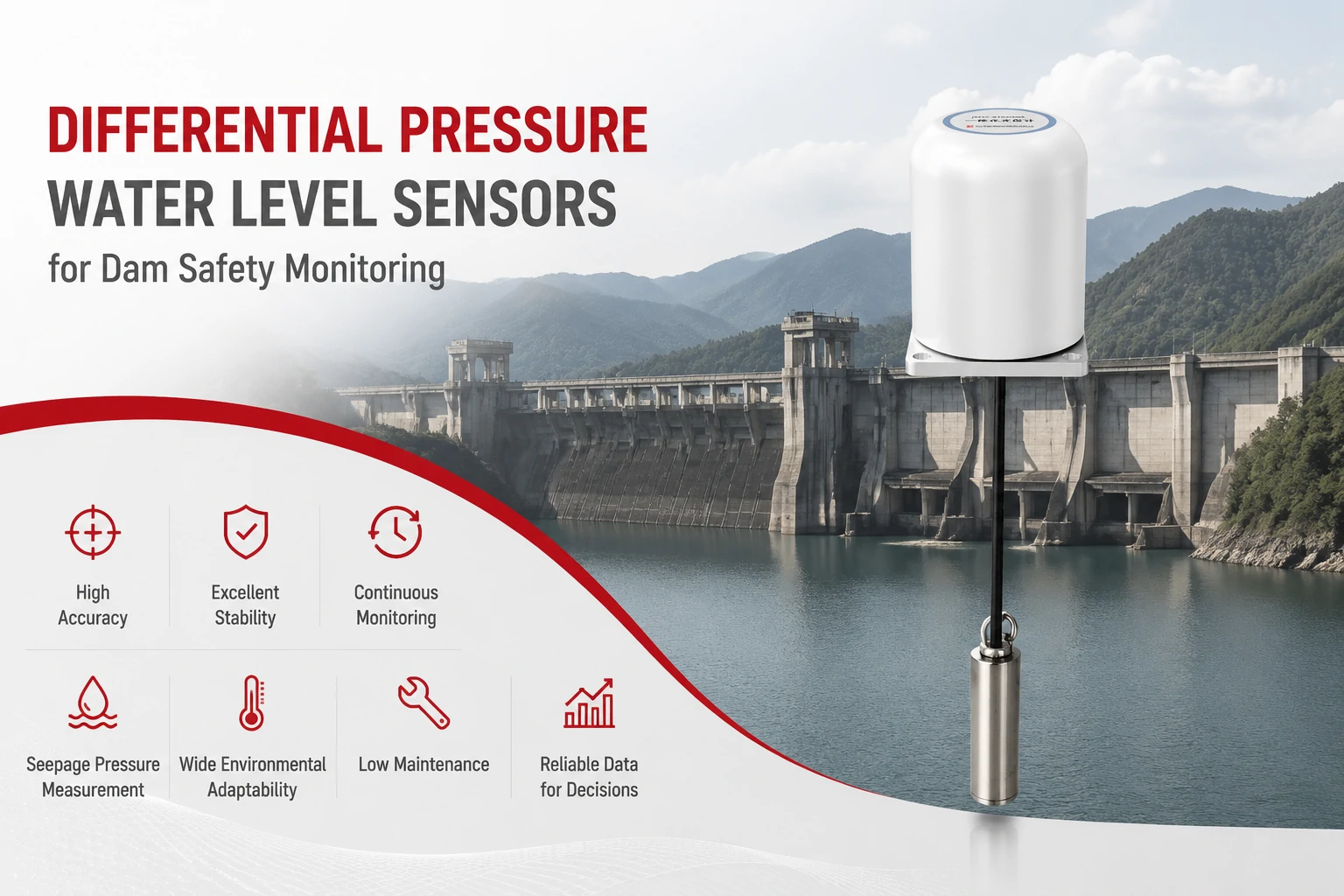
Key Takeaways The strongest fit is usually a confined, submerged, or s...
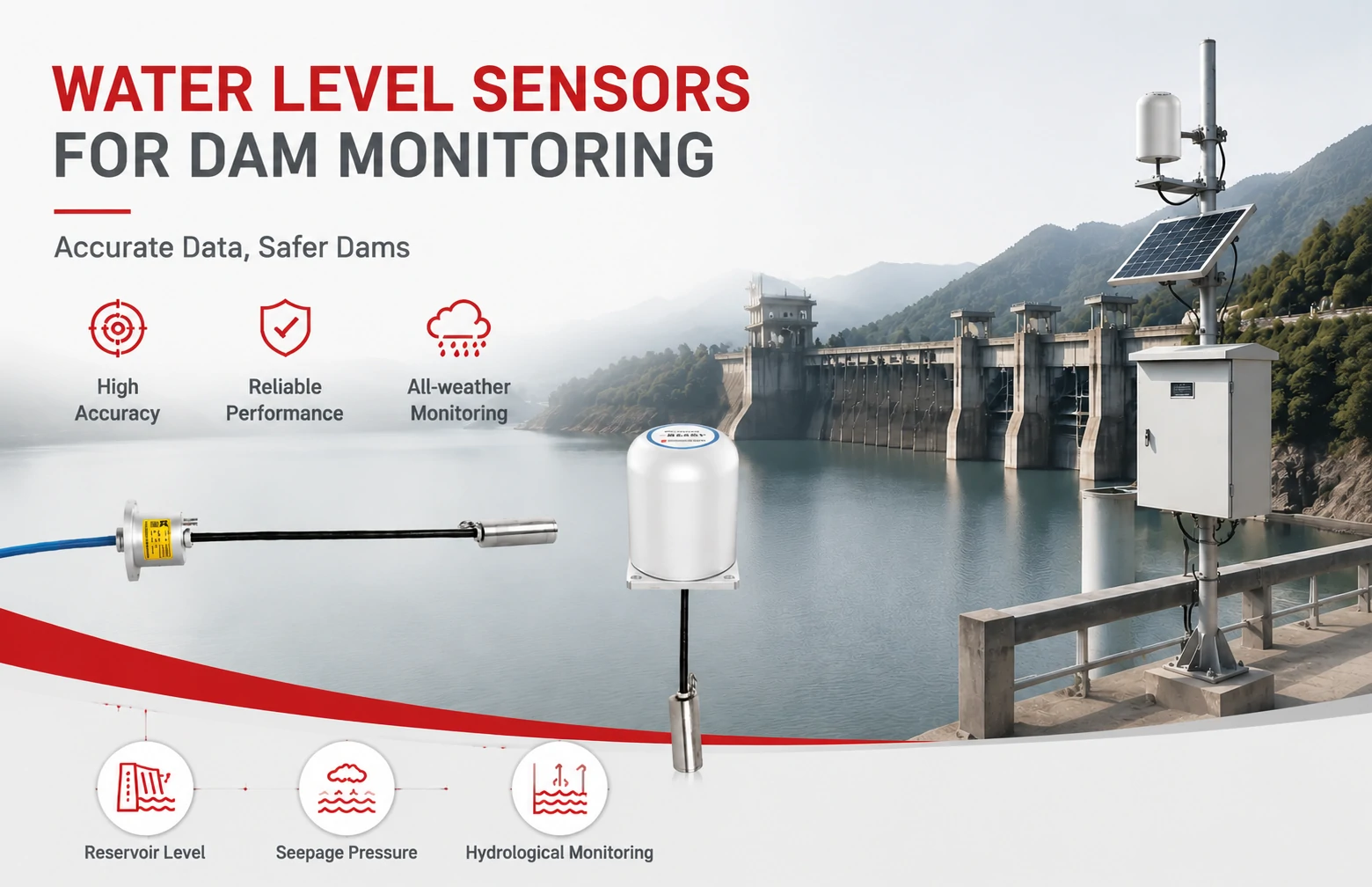
Kingmach Water Level Sensors for Dam Monitoring: A Buyer's Guide to Differential Pre...
Products
FAQ
The resistive type (RTD) has higher accuracy in the -50 to 200°C range, smaller long-term drift, and does not require cold-junction compensation. The wiring is simple. For geotechnical monitoring cables that are several kilometers long, the cost of RTD copper wires is also lower than that of thermocouple compensation wires. However, thermocouples respond faster and have a wider temperature measurement range. If you need to measure above 600°C, you should choose a thermocouple.
The standard products include Class A (±0.15℃) and Class B (±0.3℃) PT100. We have also made customizations with 1/3 DIN accuracy, but they need to be explained in advance. All are ice-water calibrated according to IEC 60751 before leaving the factory.
The main thing is the waterproofing and mechanical protection of the leads. If it is in concrete, you must use an armored probe and seal the outlet position; if it is drilled and buried, it is recommended to use a probe with a heat shrink seal to avoid running the cable in parallel with strong current lines. We can provide finished products with pre-wired waterproof connectors to reduce on-site wiring.
For the three-wire or four-wire connection method, the lead resistance can be offset, and the transmission can usually be hundreds of meters without significant decrease in accuracy; for the two-wire system, attention must be paid to the error caused by the wire resistance, and the distance should not exceed tens of meters. If there are special needs, cables with higher voltage insulation can be customized.
Share your product type, target capacity, and application requirements. Our team can review the details and recommend a practical next step.
If you are interested in our products or want to become our partner.
Please leave your contact information, our team will contact you as soon as possible.
Mail: [email protected]
Contact Us: +8613808434127
Address: No. 188 Tongzipo West Rd, Changsha, Hunan, China