
 EN
EN
 ar
ar bg
bg hr
hr cs
cs da
da nl
nl fi
fi fr
fr de
de el
el hi
hi it
it ko
ko no
no pl
pl pt
pt ro
ro ru
ru es
es sv
sv tl
tl iw
iw id
id lv
lv lt
lt sr
sr sk
sk sl
sl uk
uk vi
vi et
et hu
hu th
th tr
tr fa
fa ms
ms hy
hy ka
ka ur
ur bn
bn mn
mn ta
ta kk
kk uz
uz ku
ku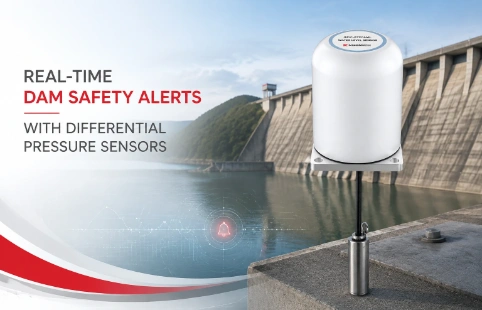
Real-Time Dam Safety Alerts with Differential Pressure Water Level Sensors
Key Takeaways An alert chain needs more than a sensor: define field in...

Rigging Load Cells for Lifting and Tension Control
A rigging load cell takes the guesswork out of a lift. It sits right in the load path, converting tension into a signal you can read at the pendant or in the control room. When you’re hoisting a 20-ton chiller onto a rooftop, knowing the exact force on each sling helps prevent overloading and uneven pick points. Kingmarch has been supplying these sensors to crane operators, rigging crews, and marine salvage teams for years. The cells are built from alloy steel and stainless steel, sealed against weather and washdowns. They fit standard shackle pins, sockets, and Crosby-style fittings, so there’s no need to rework your lifting gear. For custom lifting beams or odd-sized hardware, we machine housings to match. Every unit leaves our shop with its own calibration sheet. If you work in Singapore, Rotterdam, or Houston, our distribution partners and application engineers are close enough to keep your projects moving.
Technical Detail
Kingmarch rigging load cells are designed around a straightforward idea: the sensor should last as long as the rigging itself. The body is machined from high-strength alloy steel with a corrosion-resistant finish. Strain gauge bridges are fully sealed and temperature-compensated, so a cold morning in the North Sea or a hot afternoon on a barge deck won’t skew your readings. You can choose between load pins, which replace the shackle pin directly, and shackle-type load cells that combine the shackle and sensor in one unit. Both styles fit into existing lifting arrangements without adding extra headroom. Output options include mV/V for direct connection to a weight indicator, 4-20 mA for long cable runs, and RS-485 when you need to tie into a PLC or data logger. For wireless monitoring, we pair the cells with our own transmitter modules that send readings to a dashboard or a handheld display. Field calibration is practical: you hang known weights or use a hydraulic reference rig to verify accuracy on site. Many customers do a quick check before each major lift campaign. If your project involves subsea salvage, tunnel boring, or heavy haulage, we can re-engineer the housing and cable glands for higher IP ratings or saltwater exposure. Beyond the hardware, our team provides installation guidance and troubleshooting, and we keep stock of common ranges for fast shipment. Custom shackle dimensions and OEM labeling are part of our standard service—no special minimums required.
News
Key Takeaways An alert chain needs more than a sensor: define field in...
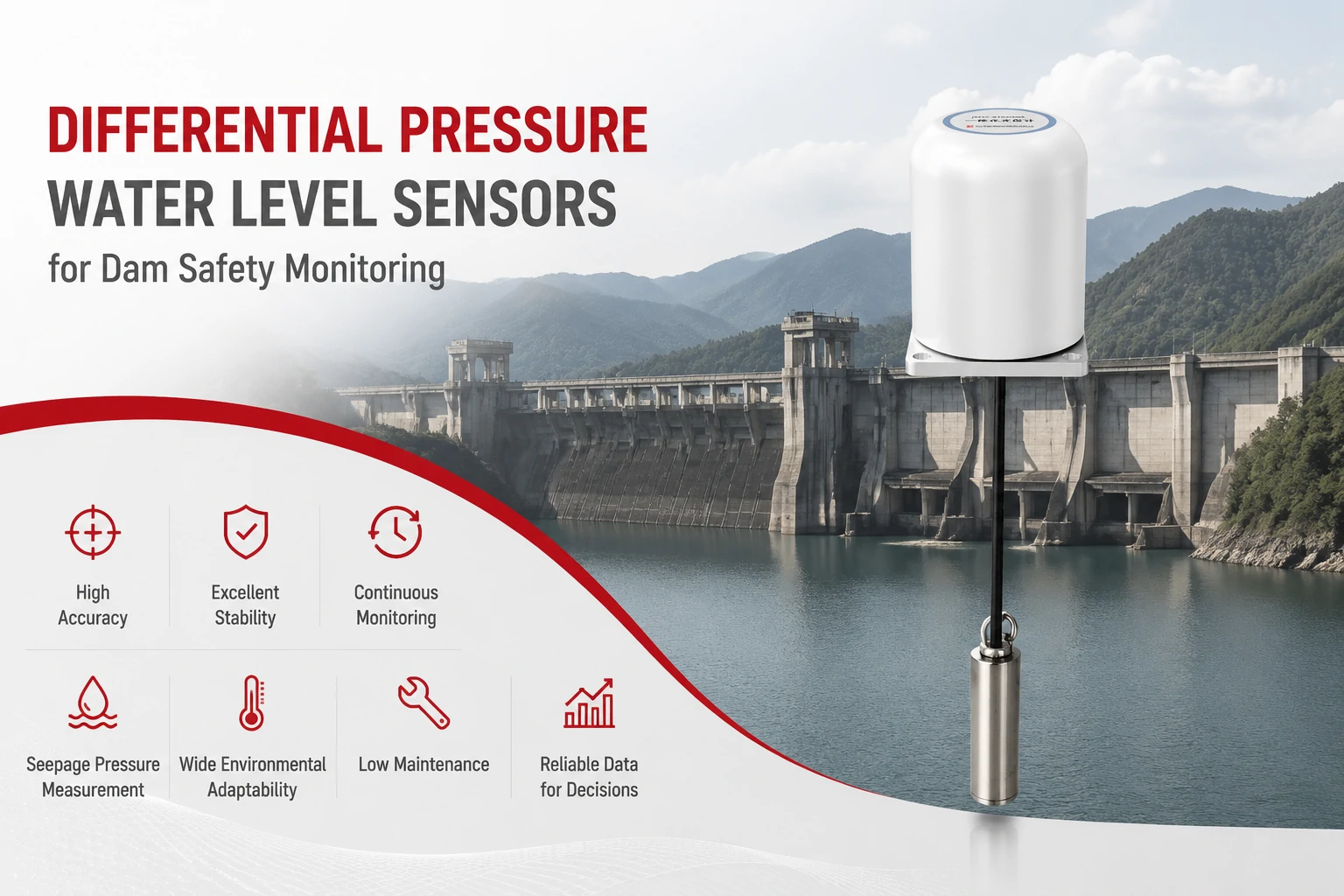
Key Takeaways The strongest fit is usually a confined, submerged, or s...
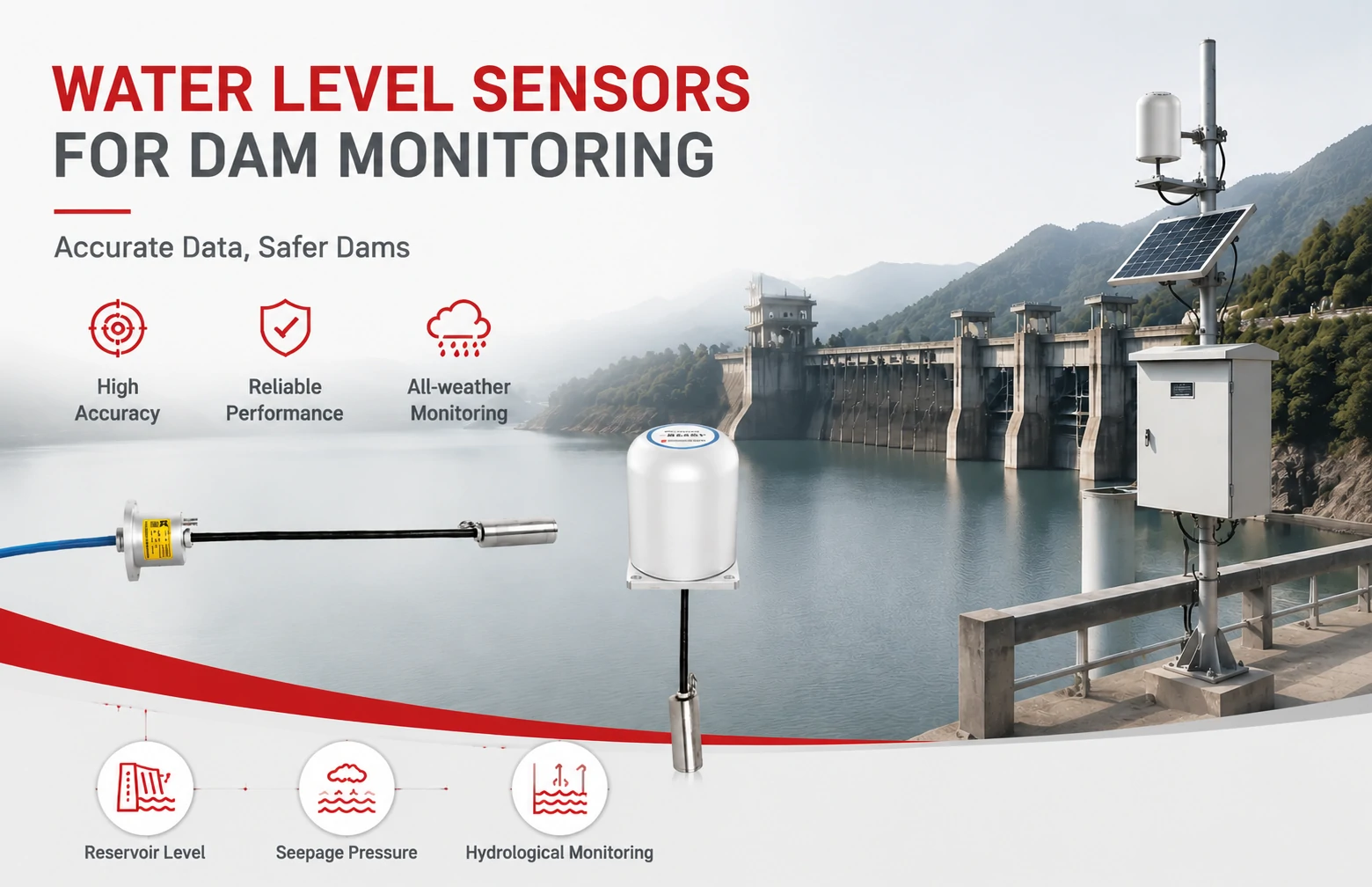
Kingmach Water Level Sensors for Dam Monitoring: A Buyer's Guide to Differential Pre...
Products
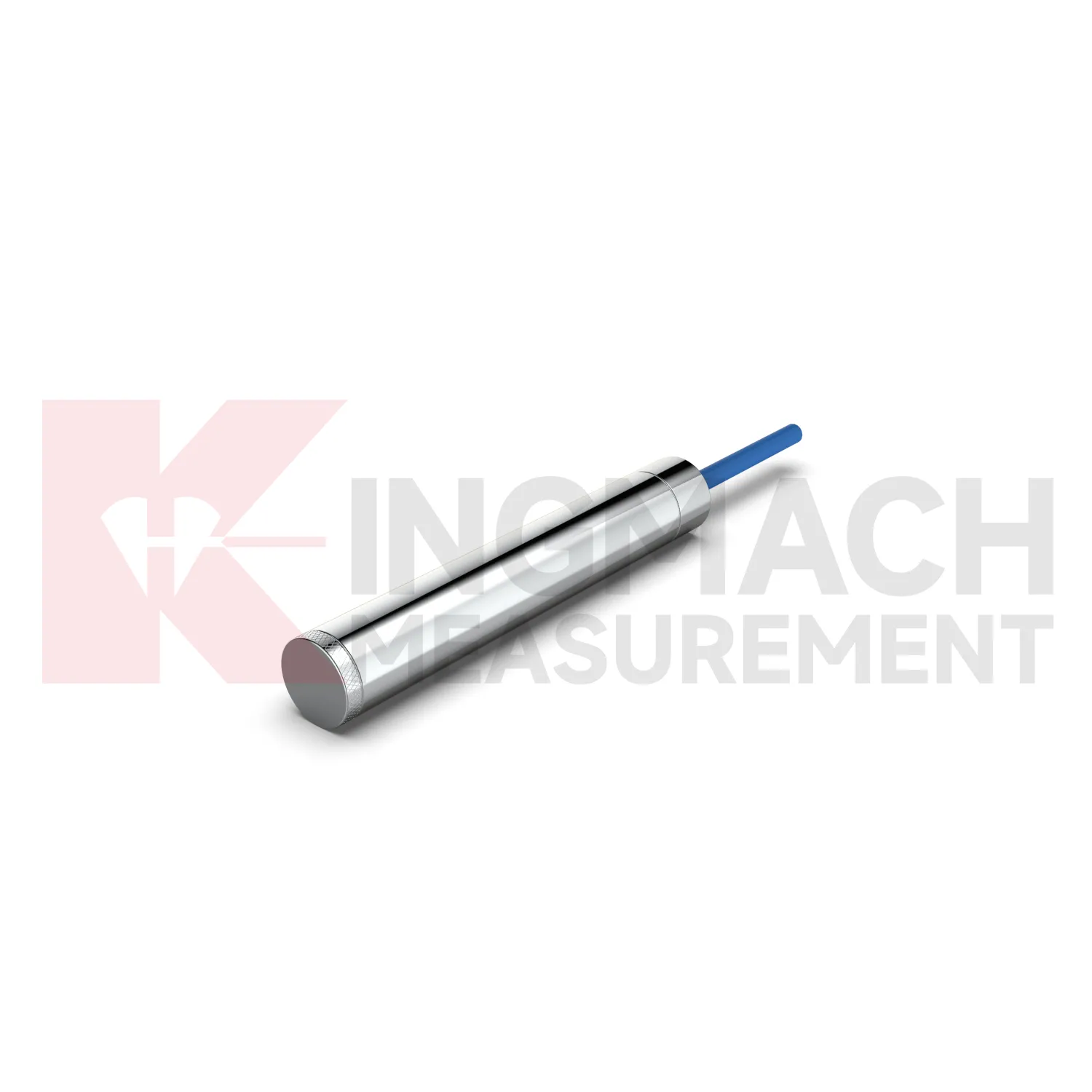
Smart Vibrating Wire PiezometerSmart Piezometers (VW) JMZX-55XXHAT
View Details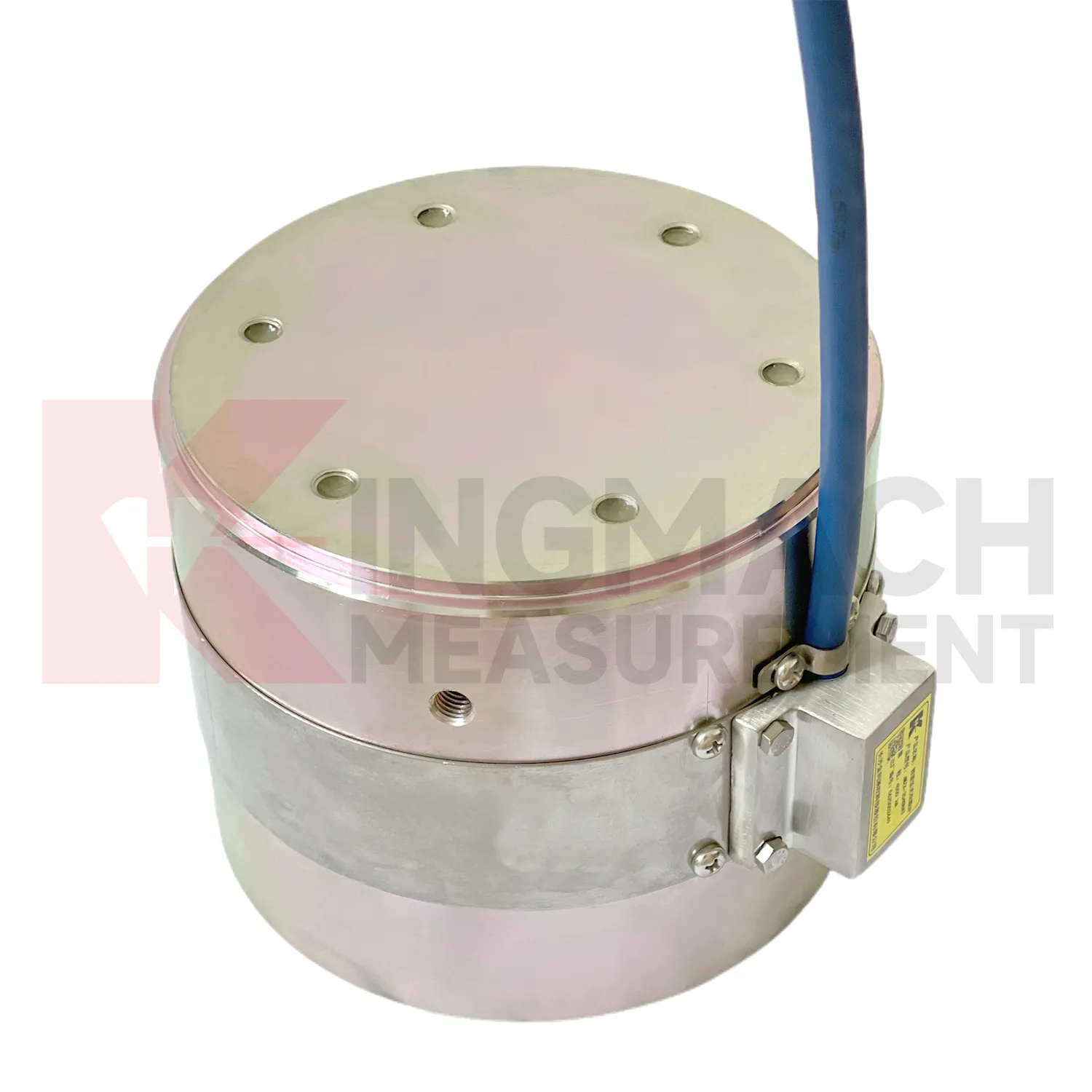
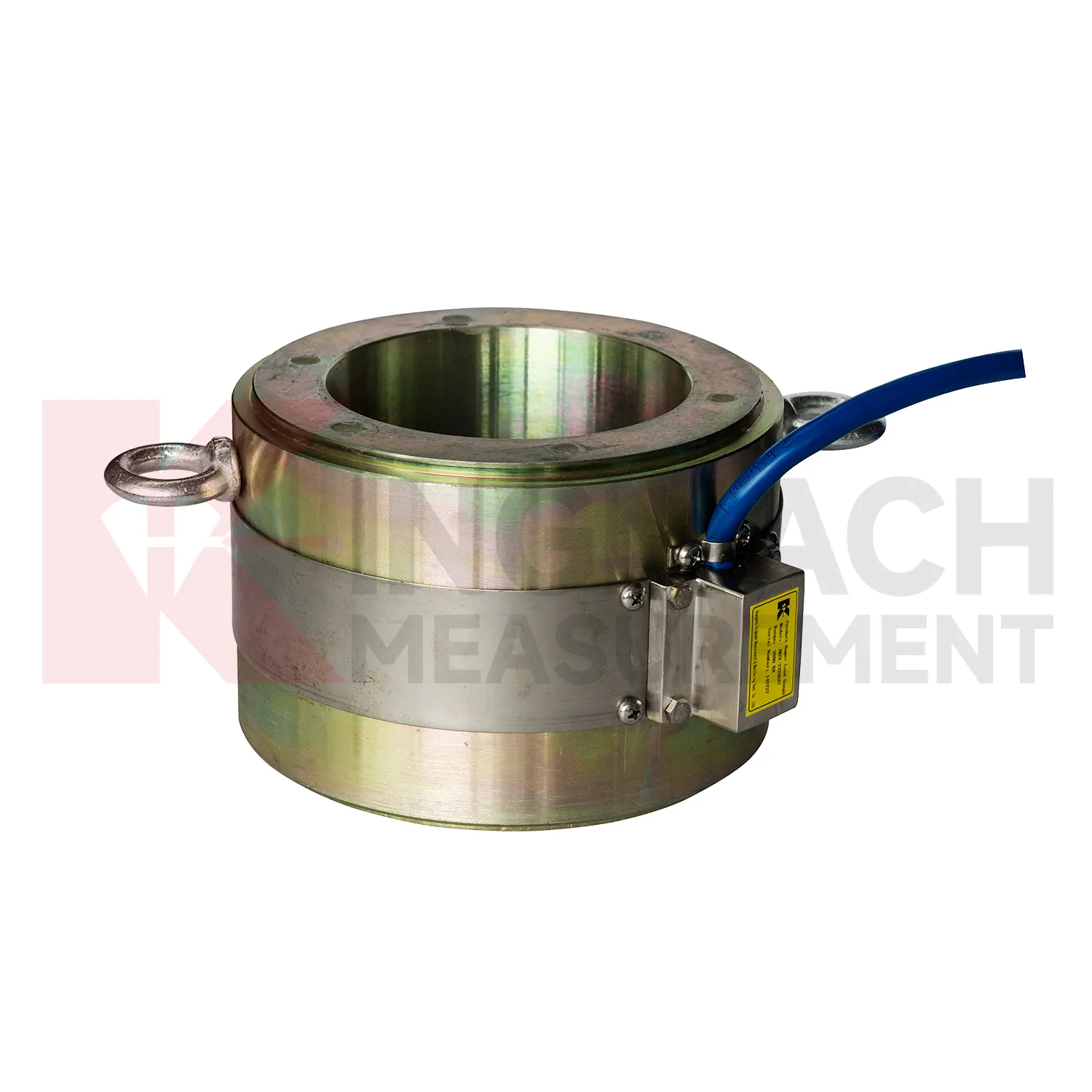
Solid load cell JMZX-34XXHAT、35XXHAT、36XXHAT
View DetailsFAQ
A load pin replaces the existing pin in your shackle and measures shear force, while a shackle load cell is a complete shackle assembly with a built-in sensor that measures tension. Load pins are less expensive and fit standard Crosby or Green Pin shackles. Shackle cells are more convenient when you need a dedicated, pre-calibrated lifting point and don’t want to modify your existing gear. Both are equally accurate—around 0.5% to 1% of full scale—so the choice comes down to how you manage your rigging inventory.
Standard units are IP67 rated and handle rain and temporary submersion fine. For continuous underwater use, we offer IP68 versions with double-sealed cable glands and a marine-grade coating. Offshore operators often order them with stainless steel housings and longer pressure-compensated cables. Let us know the depth and duration, and we’ll configure the right protection.
Our load cells come with a few output choices. The simplest is mV/V—that’s the raw strain gauge signal that most crane indicators accept directly. For longer cable runs, we add a signal conditioner that gives you 4-20 mA, which works with almost any PLC analog input. RS-485 digital output is also available if you need to address multiple sensors on a bus. We can provide pinout diagrams and setup notes specific to your equipment.
We recommend a functionality check with a known weight before each critical lift and a full calibration at least once a year. In heavy industrial use or corrosive environments, twice a year is better. If the readings start to drift or the zero point shifts, service it sooner. Our team can recalibrate and re-certify in-house, or guide your own technicians through the process using a hydraulic pull tester or calibrated weights.
Yes. We machine load pins to fit non-standard shackle dimensions and apply your company logo, color, and labeling on shackle cells. For OEMs that supply lifting systems, we can package the sensors with your part numbers and provide wiring harnesses that plug directly into your panels. Minimum order quantities are low—get in touch with your drawings, and we’ll send a quote within a few days.
Share your product type, target capacity, and application requirements. Our team can review the details and recommend a practical next step.
Related Keywords
If you are interested in our products or want to become our partner.
Please leave your contact information, our team will contact you as soon as possible.
Mail: [email protected]
Contact Us: +8613808434127
Address: No. 188 Tongzipo West Rd, Changsha, Hunan, China