
 EN
EN
 ar
ar bg
bg hr
hr cs
cs da
da nl
nl fi
fi fr
fr de
de el
el hi
hi it
it ko
ko no
no pl
pl pt
pt ro
ro ru
ru es
es sv
sv tl
tl iw
iw id
id lv
lv lt
lt sr
sr sk
sk sl
sl uk
uk vi
vi et
et hu
hu th
th tr
tr fa
fa ms
ms hy
hy ka
ka ur
ur bn
bn mn
mn ta
ta kk
kk uz
uz ku
ku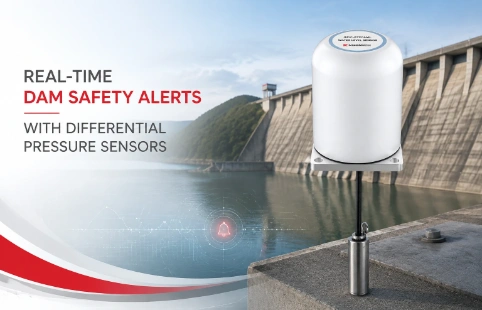
Real-Time Dam Safety Alerts with Differential Pressure Water Level Sensors
Key Takeaways An alert chain needs more than a sensor: define field in...

Strain Gauge Force Sensors for Geotechnical Monitoring
When your project calls for force measurement in soil, rock, or concrete, Kingmach engineers don't start with a brochure—they start with your site conditions. Our strain gauge force sensors are built on decades of geotechnical instrumentation experience, not assembly-line automation. That shapes how we design the sensing elements, how we bond the gauges, and how we seal against water ingress and cable pull. It's a deliberate approach, aimed at producing sensors that read consistently when buried under a retaining wall or embedded in a pile cap. Whether you're monitoring anchor loads in a deep excavation or checking bearing pressures beneath a dam foundation, the sensor's real job is to survive the environment long enough to deliver meaningful data. We keep that in mind from the first weld to the final calibration sheet.
Technical Detail
Kingmach is a professional manufacturer of geotechnical instruments, and our strain gauge force sensors are part of a broader monitoring ecosystem. Instead of a one-size-fits-all component, we build force sensors that match the project's measurement range, output signal, and physical constraints. A typical sensor starts with a precision-machined alloy steel or stainless steel element, strain gauges bonded in a full Wheatstone bridge configuration. Temperature compensation networks keep drift under control, and high-grade sealing prevents moisture ingress—important when sensors are cast into concrete or buried in wet ground. Every unit is individually calibrated, and the calibration data travels with the sensor. We can supply standard ranges from a few kN to several MN, with outputs compatible with most geotechnical dataloggers. If a standard part doesn't fit, we customize: non-standard load capacities, modified mounting flanges, special cable lengths, submersible versions for underwater use. The sensors are regularly used in tieback and rock bolt testing, pile load tests, strut force monitoring, and earth pressure cell calibration. Because we also manufacture readout units, junction boxes, and data acquisition systems, the sensors integrate smoothly into full monitoring schemes. Our distribution network covers Asia, the Middle East, Europe, and the Americas, backed by application engineers who can help specify the right sensor configuration. After-sales support includes on-site calibration assistance and remote troubleshooting.
News
Key Takeaways An alert chain needs more than a sensor: define field in...
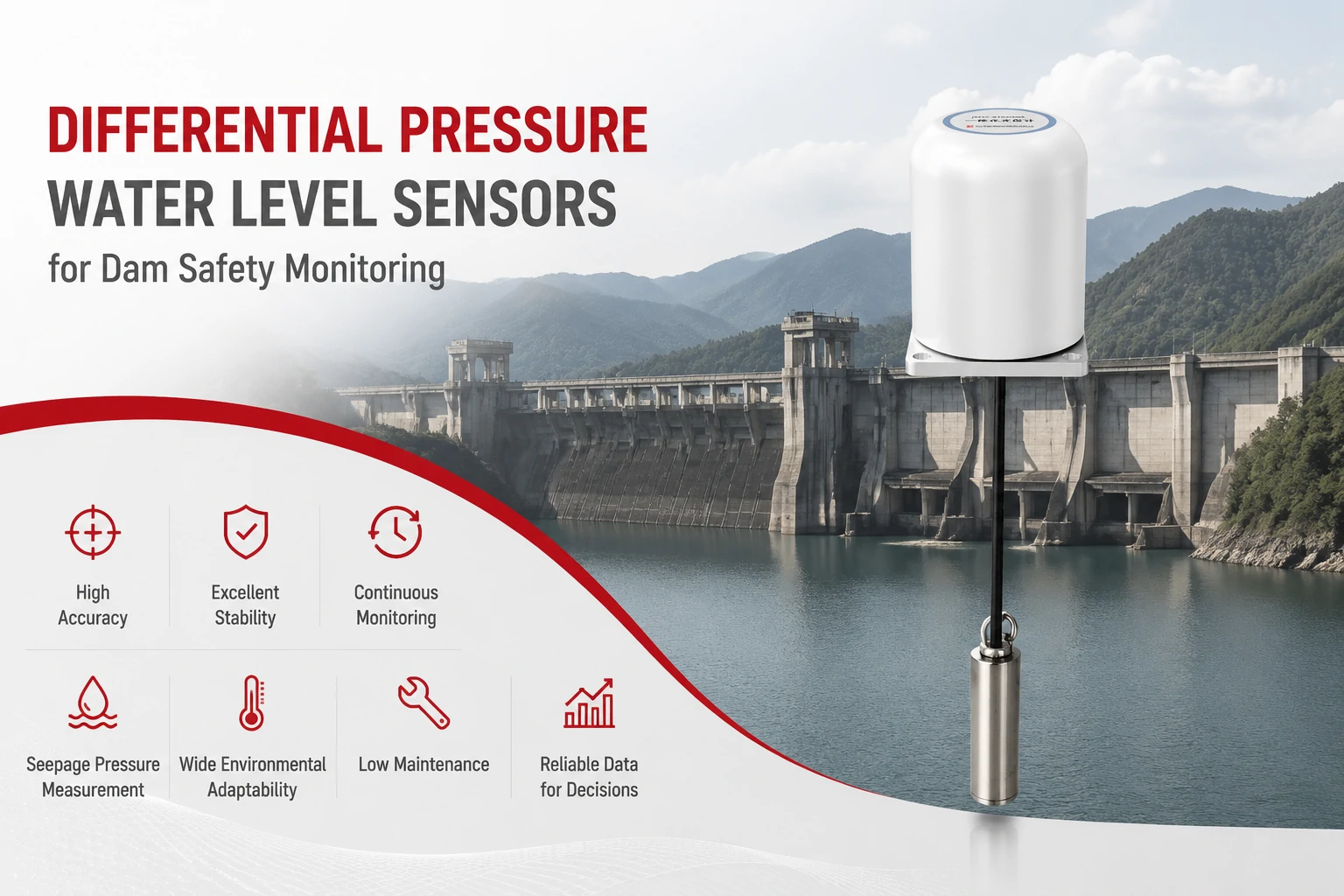
Key Takeaways The strongest fit is usually a confined, submerged, or s...
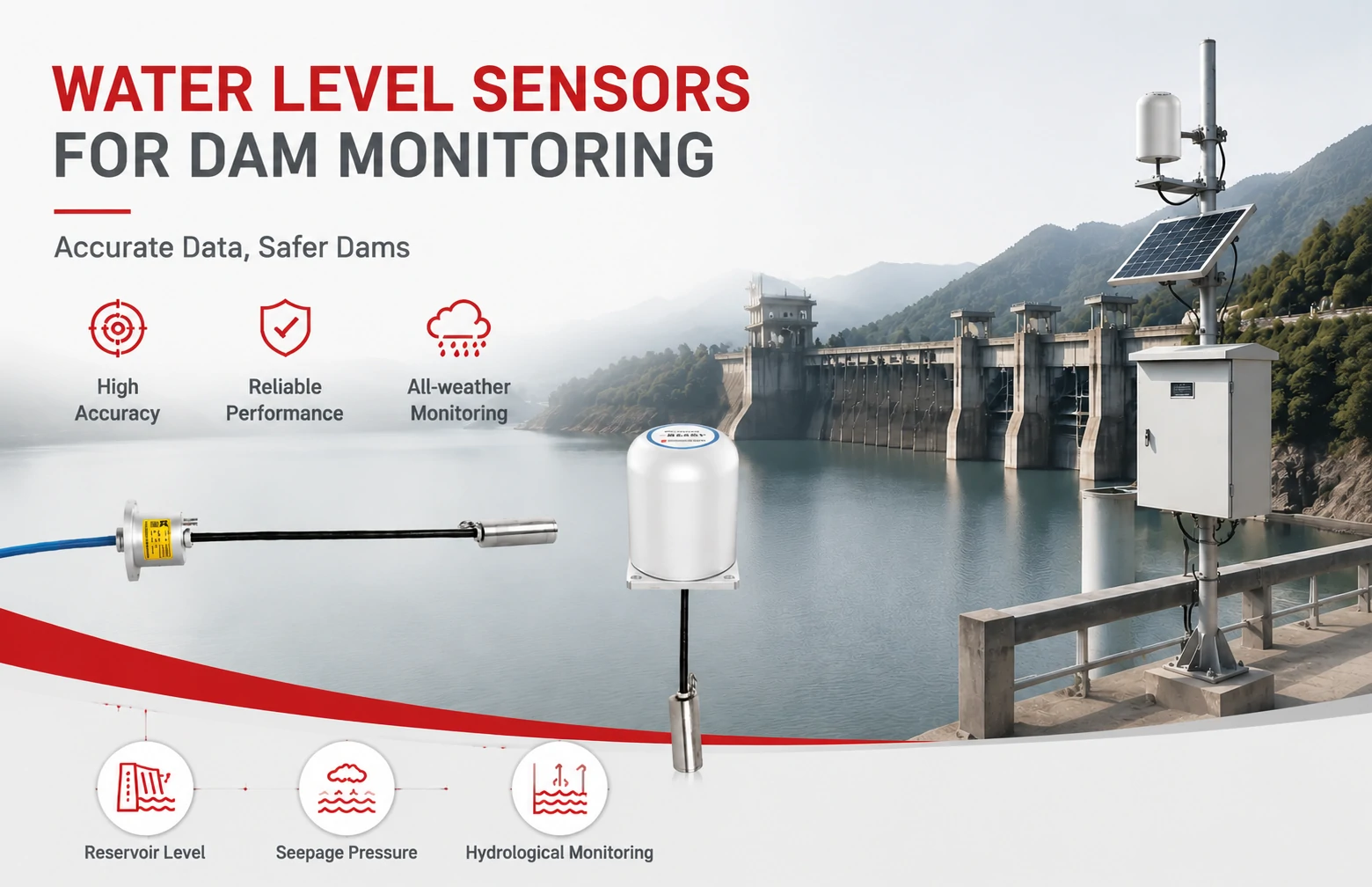
Kingmach Water Level Sensors for Dam Monitoring: A Buyer's Guide to Differential Pre...
Products
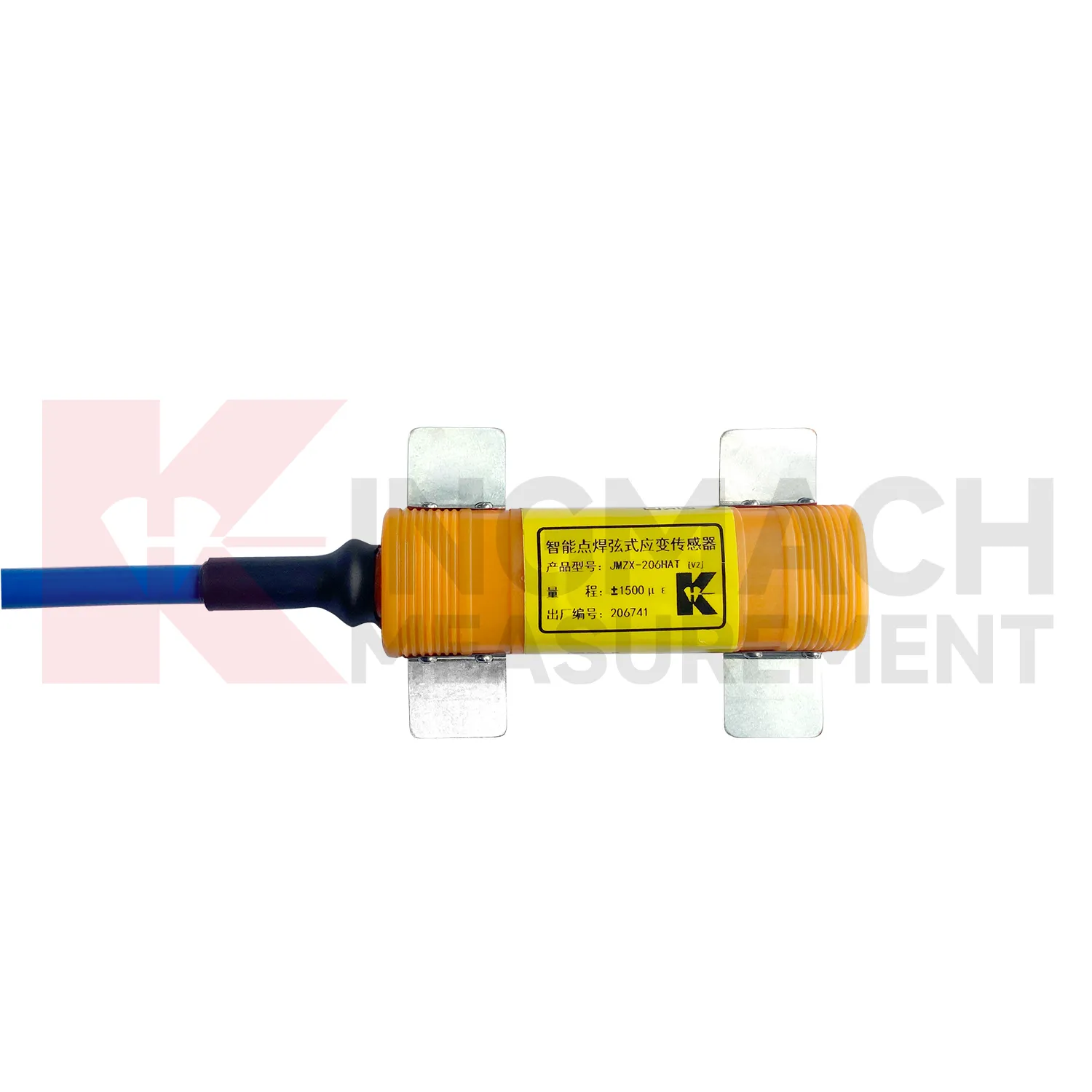
Smart vibrating wire strain gauge (surface welded model) JMZX-206HAT
View Details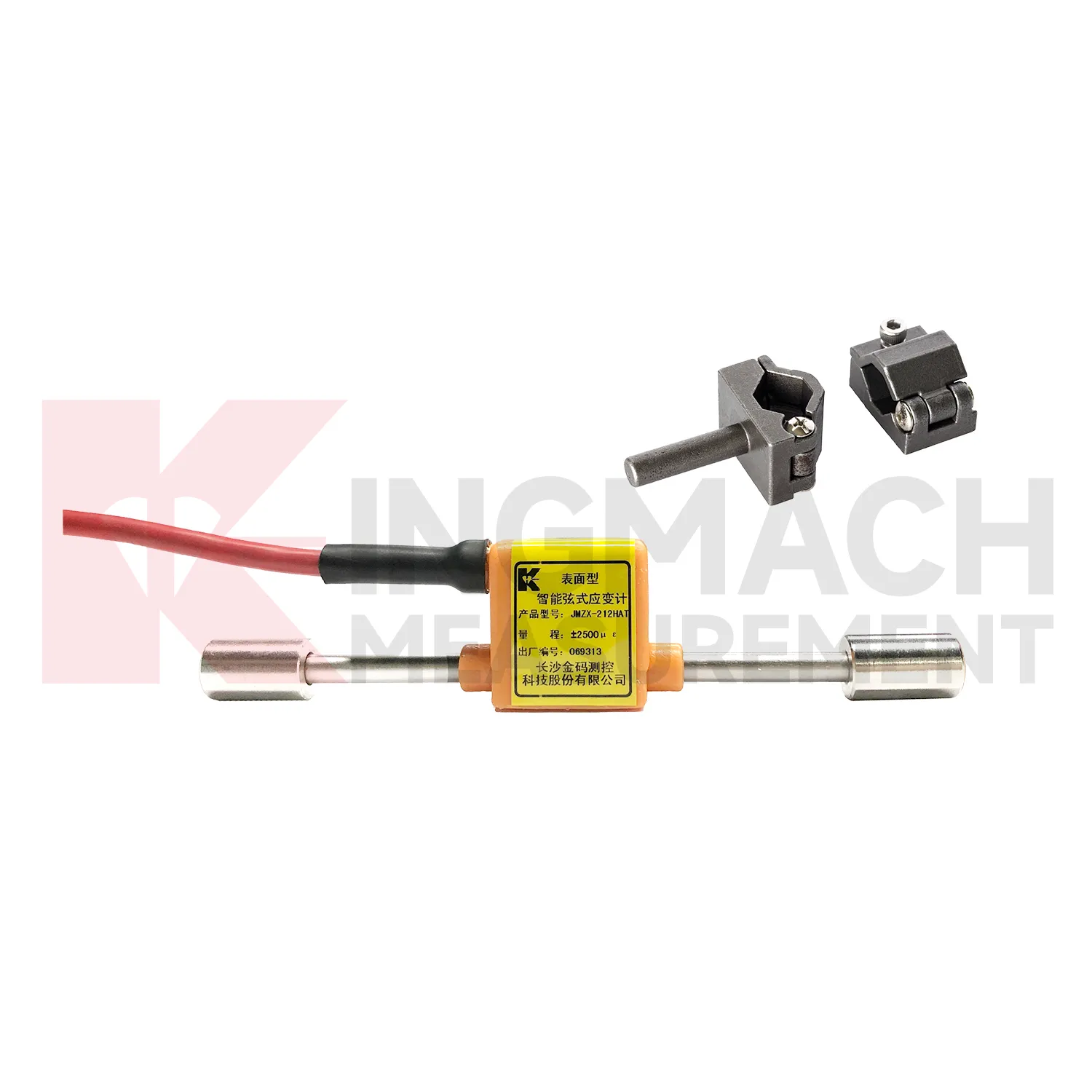
Smart vibrating wire strain gauge (surface model) JMZX-212HAT/HB
View Details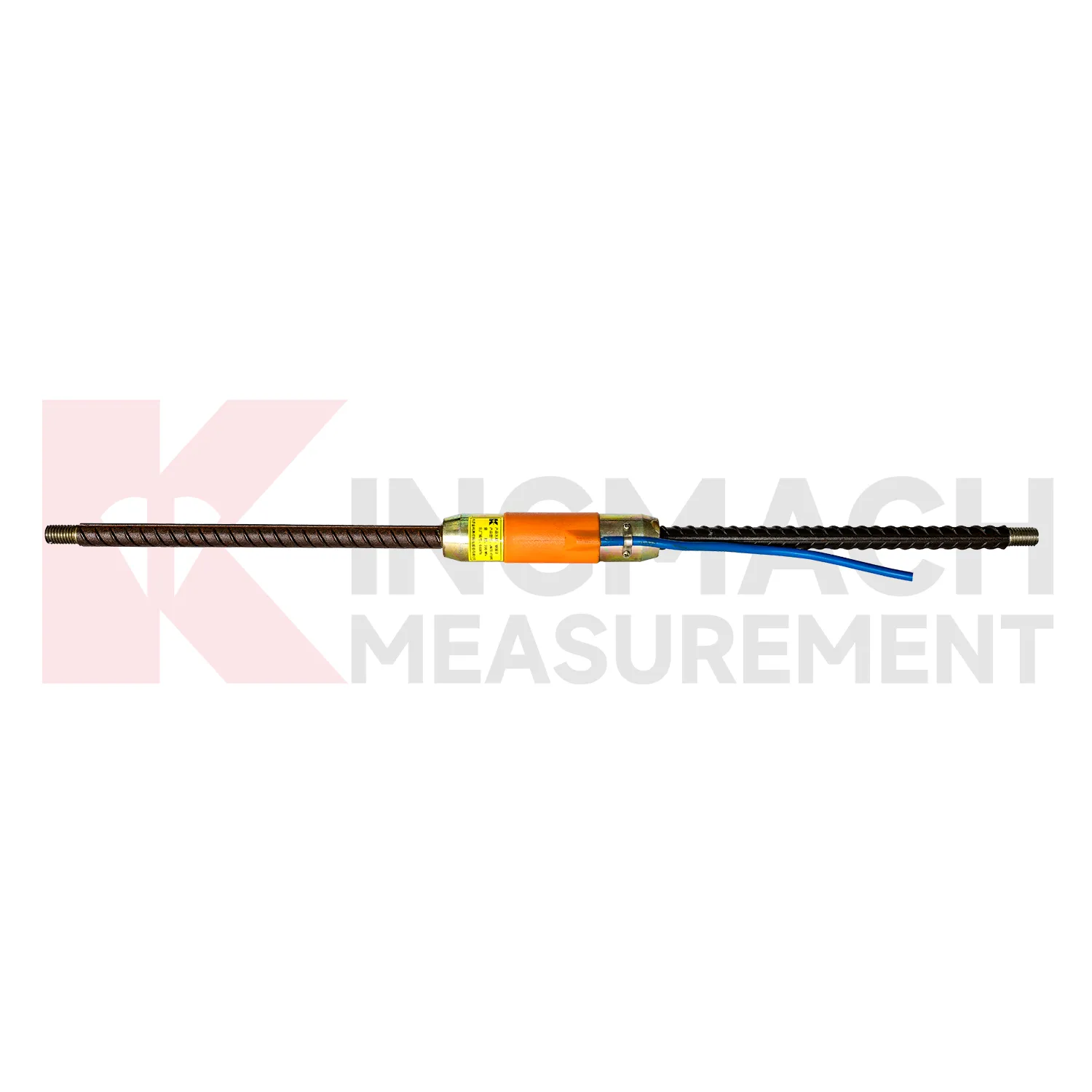
Rebar Strainmeters ( VW & Smart Type) JMZX-4XXHAT/HB
View DetailsFAQ
Both can measure anchor or strut loads, but they suit different setups. Strain gauge sensors are typically lighter, easier to handle, and give an electrical output that dataloggers read directly. Hydraulic cells have no electronics in the load path and can be read with a simple pressure gauge, but they often need a height adapter and careful seating. If you need real-time, automated logging, strain gauge is usually the simpler route.
Most of our sensors output millivolt-per-volt signals from a full bridge. We also offer models with built-in signal conditioning that output 4-20 mA, 0-10 V, or RS-485. The choice depends on cable distance and the type of datalogger you're using. Our team can help match the output to your existing system.
Yes. We can supply fully submersible versions with underwater connectors and double-sealed cable entries. For corrosive settings, we use stainless steel bodies and encapsulate the gauge area in multi-layer protective coatings. Tell us the immersion depth and fluid chemistry, and we'll propose a suitable construction.
Often, yes. Cable resistance affects the bridge excitation and can shift the output slightly, especially with long cables. For critical applications we calibrate the sensor with the actual cable it will be installed with, so the calibration sheet reflects real-world conditions. This is a service we can arrange during ordering.
Each sensor comes with a calibration certificate showing the traceable data: applied load versus output, linearity, hysteresis, and zero balance. We also include a wiring diagram, installation guidelines, and a material certificate if required. All documents are archived digitally, so replacements are available if originals are lost on site.
Share your product type, target capacity, and application requirements. Our team can review the details and recommend a practical next step.
If you are interested in our products or want to become our partner.
Please leave your contact information, our team will contact you as soon as possible.
Mail: [email protected]
Contact Us: +8613808434127
Address: No. 188 Tongzipo West Rd, Changsha, Hunan, China