
 EN
EN
 ar
ar bg
bg hr
hr cs
cs da
da nl
nl fi
fi fr
fr de
de el
el hi
hi it
it ko
ko no
no pl
pl pt
pt ro
ro ru
ru es
es sv
sv tl
tl iw
iw id
id lv
lv lt
lt sr
sr sk
sk sl
sl uk
uk vi
vi et
et hu
hu th
th tr
tr fa
fa ms
ms hy
hy ka
ka ur
ur bn
bn mn
mn ta
ta kk
kk uz
uz ku
ku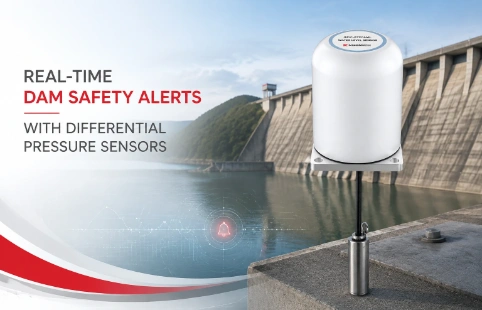
Real-Time Dam Safety Alerts with Differential Pressure Water Level Sensors
Key Takeaways An alert chain needs more than a sensor: define field in...

Wireless Temperature and Humidity Data Logger – Real Technical Data
When you’re matching a wireless temp/RH logger to a specific installation, it’s often the small engineering details that determine reliability, not just headline accuracy figures. Kingmach has spent years supplying monitoring instruments for geotechnical and environmental applications where documentation matters as much as the measurement itself. Our wireless loggers are built around the idea that you should be able to pull detailed datasheets before you even request a quote. We cover sensor response time, probe protection ratings, data storage format, and battery performance under cold-start conditions. Because no two sites are identical, we offer customization for probe length, sampling logic, and wireless band selection. This page gives you a straight look at the technical parameters we’re willing to discuss openly—so you can compare against your project specification without guessing.
Technical Detail
Kingmach designs its wireless temperature and humidity data loggers to fit into medium-scale industrial and environmental monitoring projects where you need dependable numbers, not marketing promises. The sensing elements are chosen for long-term drift performance: temperature probes typically range from -40°C to 85°C with resolution down to 0.01°C, and humidity sensors cover 0–100% RH non-condensing, often with polymer capacitance elements that hold calibration for years if kept within spec. Accuracy is spec’d sensor by sensor, and we provide factory calibration certificates traceable to national standards, so you know what to expect. Data recording intervals are user-configurable from 1 second to 24 hours; internal memory can store over 100,000 paired readings per channel, and you can choose between overwrite-when-full or stop-when-full logging modes. Wireless connectivity spans NB-IoT, LoRaWAN, and Wi-Fi depending on the model. We don’t lock you into a single cloud platform—data can flow out via MQTT, FTP push, or simple CSV export over USB. For integration into existing SCADA or building management systems, Modbus TCP and JSON over HTTP are supported on select models. The housing is typically IP65-rated polycarbonate with an optional stainless steel probe sheath when you’re measuring inside aggressive media. Battery life is published with real test data: on a typical NB-IoT setup at 15-minute upload intervals, you can expect 2–3 years from two lithium AA cells at room temperature. Custom requests like longer probe cables, external antenna connectors, or special temperature ranges are handled through our engineering team, and lead times are discussed case by case. If your project demands documentation upfront, ask for a full spec sheet—we keep no hidden details.
News
Key Takeaways An alert chain needs more than a sensor: define field in...
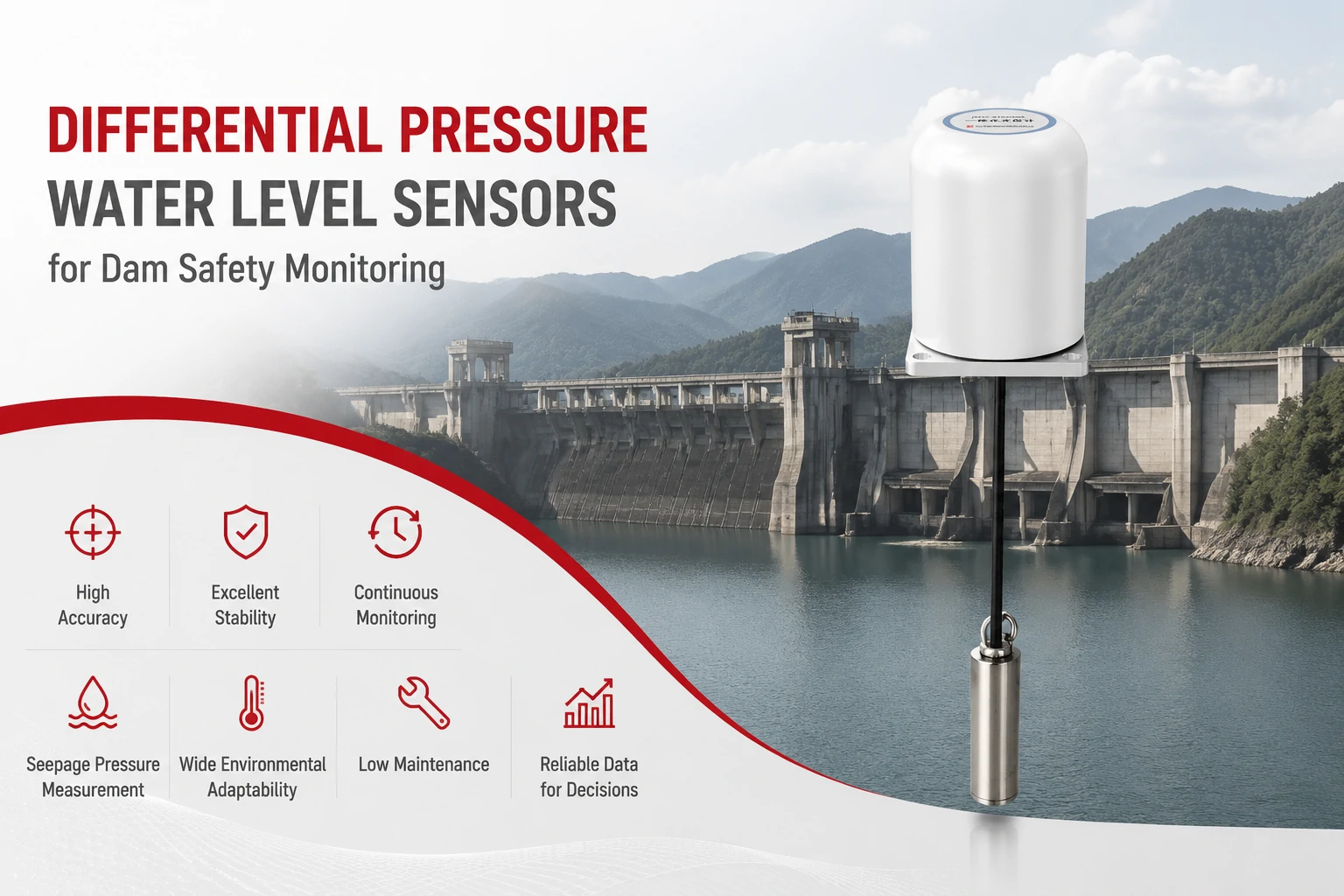
Key Takeaways The strongest fit is usually a confined, submerged, or s...
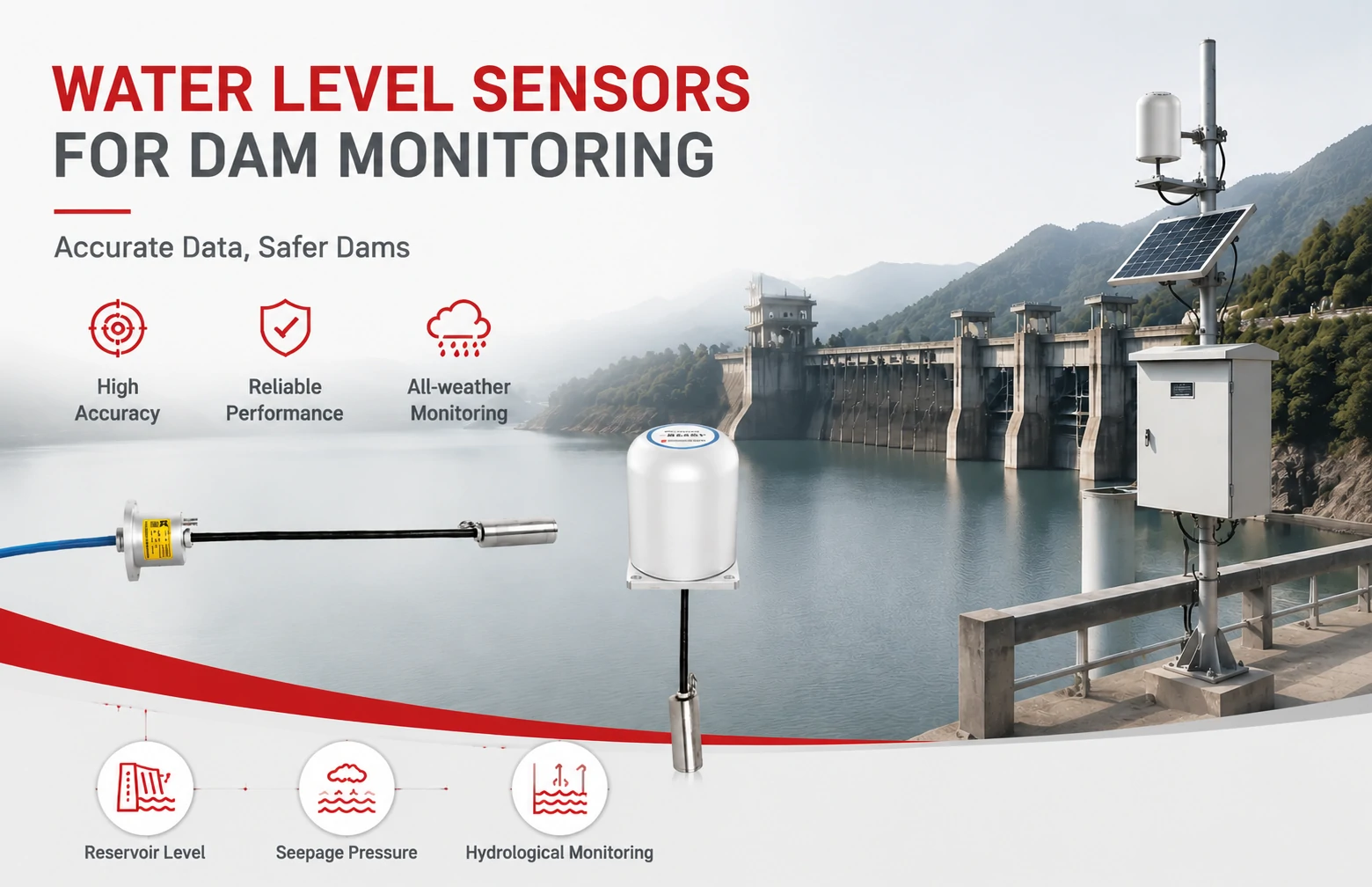
Kingmach Water Level Sensors for Dam Monitoring: A Buyer's Guide to Differential Pre...
Products
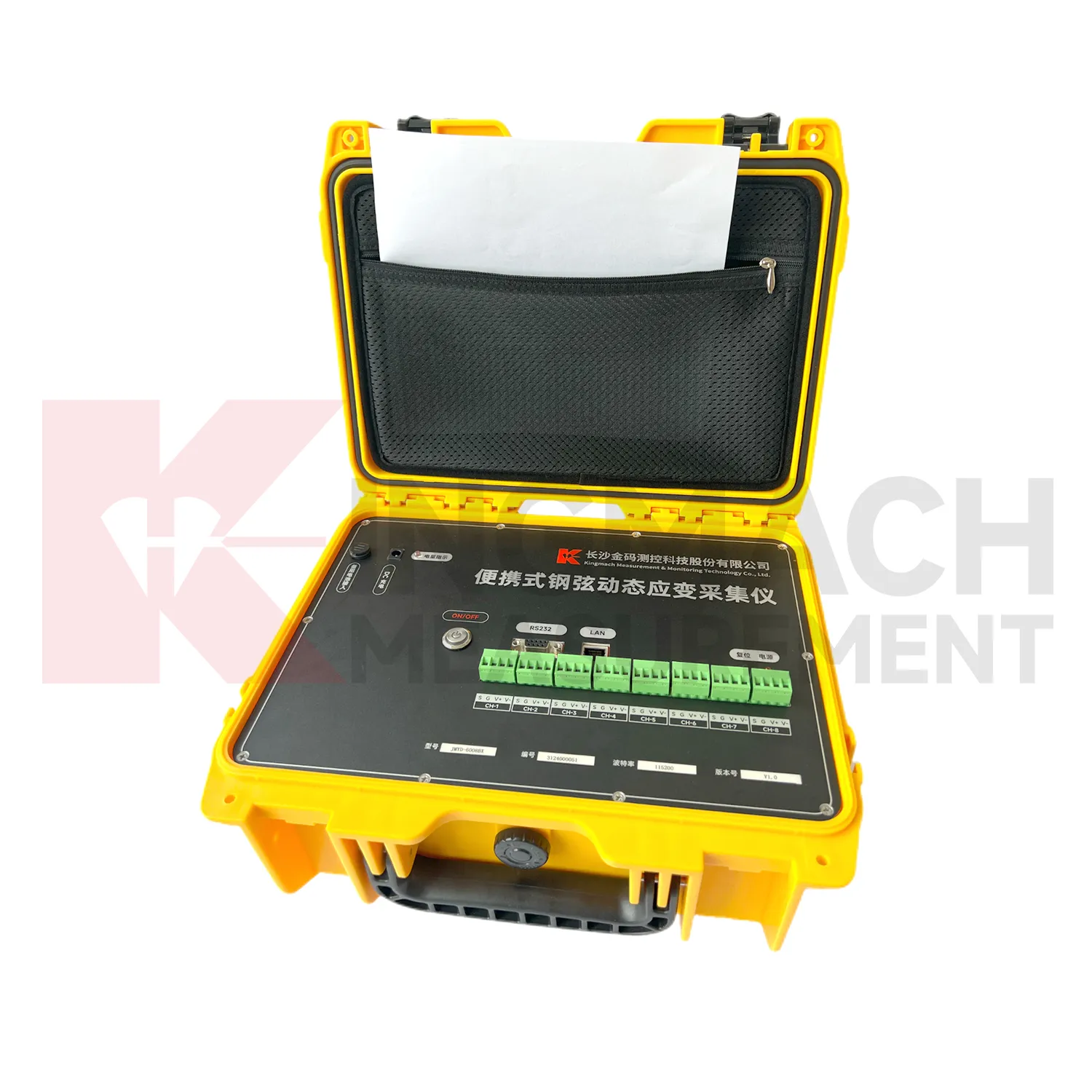
Portable Vibrating Wire Dynamic Strain Acquisition Readout JMYD-6008BX
View Details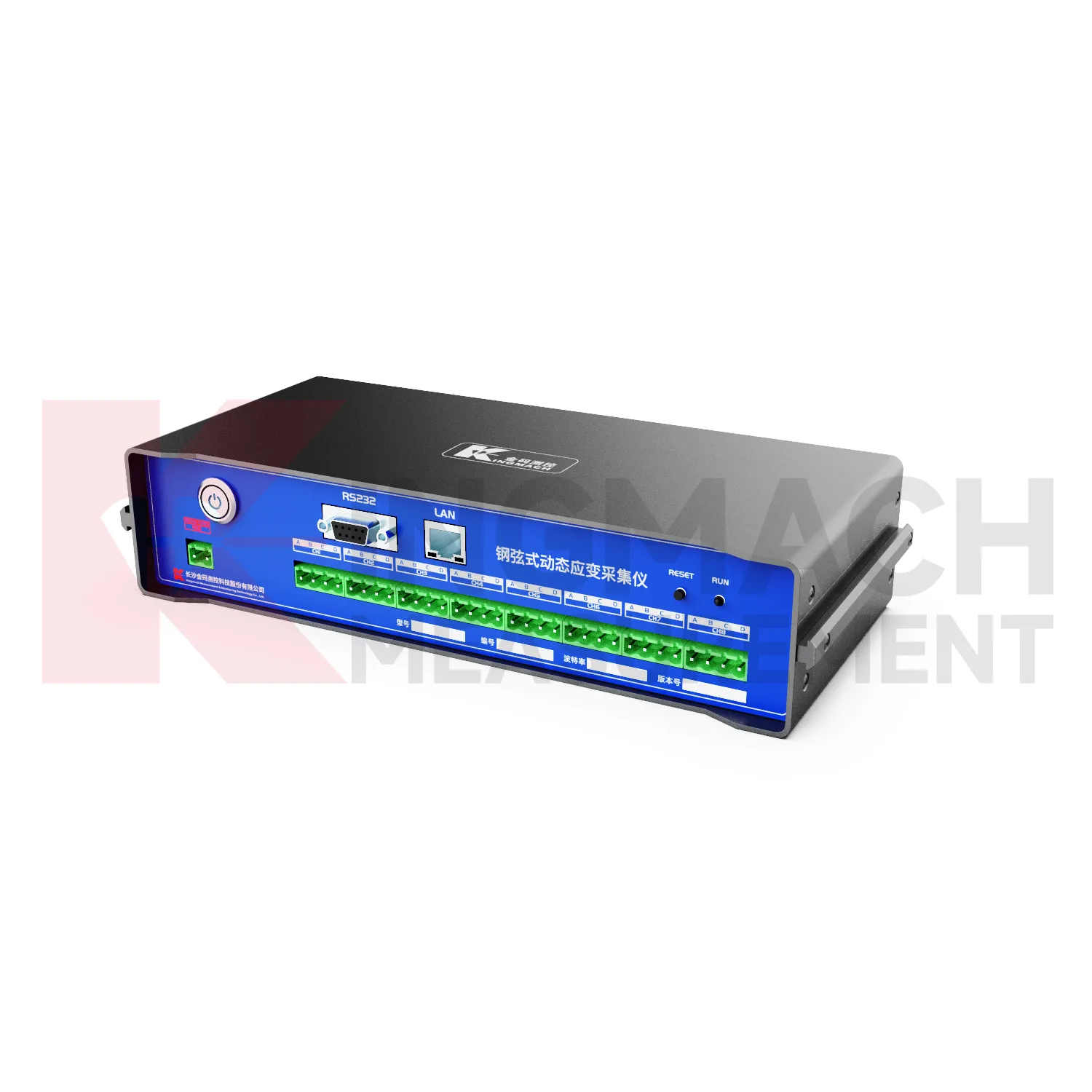
FAQ
We’ve seen reliable performance down to -30°C with our lithium battery configuration, provided the housing isn’t directly exposed to heavy frost buildup. For signal-challenged areas, LoRaWAN models with external antenna options often beat Wi-Fi. We can also set logging to local storage and forward data in batches once the device moves into a warmer zone if that fits your process.
Most Kingmach wireless loggers use field-replaceable AA lithium or alkaline cells—you don’t need special tools or a return authorization. The battery compartment is sealed with an O-ring to keep the IP rating intact, and we ship with a sheet showing proper tightening torque. Just don’t mix old and new cells, or you’ll cut battery life in half.
We publish individual sensor accuracies separately because the combined uncertainty depends on the measurement range you’re actually operating in. For a typical -20°C to 50°C ambient with >50% RH, the dew point calculation adds about 0.5–1.0°C of extra error beyond the sensor specs. Our support engineers can walk you through a quick spreadsheet that maps your operating window to expected total uncertainty.
You’re not forced into the cloud. Wi‑Fi models can act as Modbus TCP servers on your local network, broadcasting sensor values to a SCADA host. If you need a physical link, we also have RS485 output on request, with Modbus RTU protocol. For cloud-to-SCADA, you can pull data via our MQTT broker into Ignition or similar platforms without middleware.
It really depends on the quantity and whether we have similar variants already qualified. For a standard 1.5‑meter probe instead of the default 200 mm, we often ship within three weeks after drawing approval. Exotic ranges like -70°C cryo probes take longer because we need to source and test the element. Tell us your target spec early, and we’ll give you a realistic date instead of stretching the truth.
Share your product type, target capacity, and application requirements. Our team can review the details and recommend a practical next step.
If you are interested in our products or want to become our partner.
Please leave your contact information, our team will contact you as soon as possible.
Mail: [email protected]
Contact Us: +8613808434127
Address: No. 188 Tongzipo West Rd, Changsha, Hunan, China